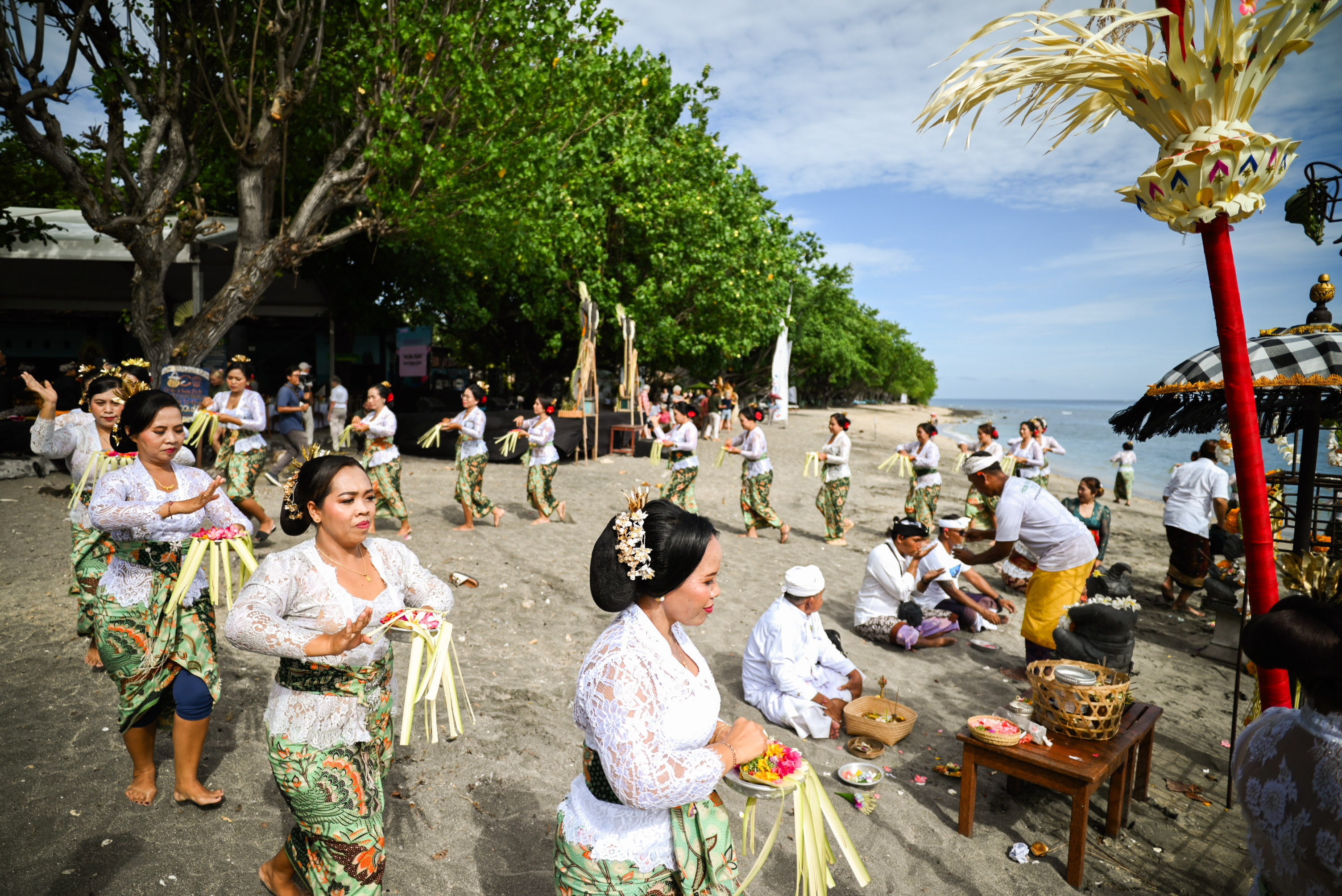



Bali has long been known as a cultural island where rich traditions, artistic expressions, and spiritual values coexist harmoniously with modern life. One of the most captivating cultural legacies of the Island of the Gods is the Three Genres of Traditional Balinese Dance, which have been recognized by UNESCO as Intangible Cultural Heritage of Humanity since 2015.
This recognition affirms the significance of Balinese traditional dance not merely as a performing art, but as a living cultural expression that continues to be preserved, practiced, and passed down through generations within the community.
To this day, Balinese dance is more than a visually stunning spectacle, it embodies spiritual devotion, aesthetic refinement, and social values that reflect the philosophy of life of the Balinese people. Every movement in Balinese dance, from the expressive eye gestures to precise body positions, carries deep symbolic meaning.
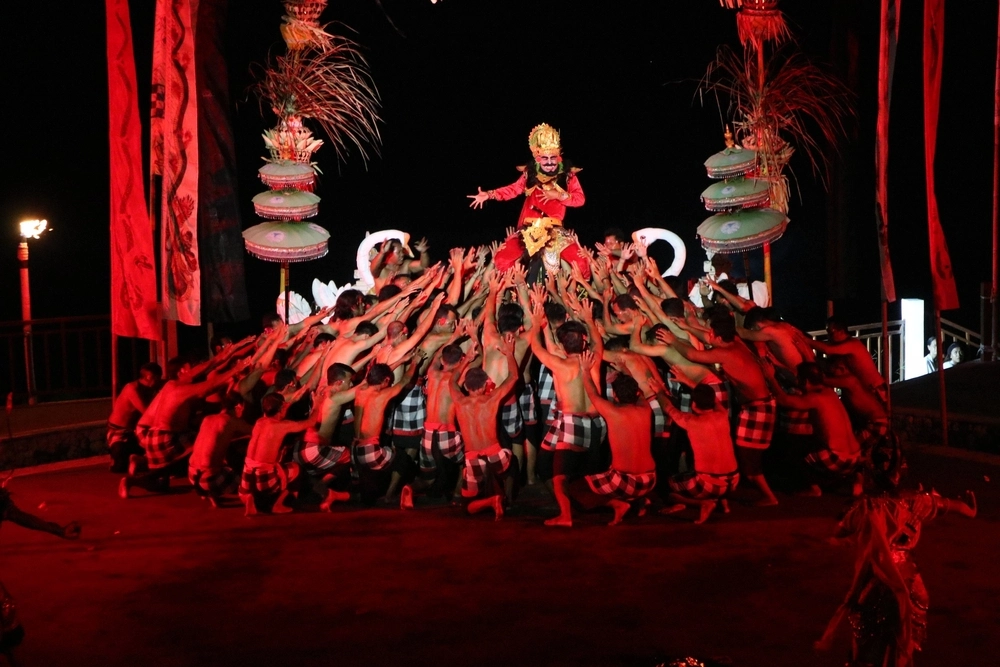
The performances are presented in vibrant costumes adorned with floral and faunal motifs, complemented by shimmering accessories, ornate crowns, and distinctive makeup. All of these elements are accompanied by the rhythmic and dynamic sounds of Balinese gamelan, creating a magical atmosphere that captivates audiences.
Three Genres of Traditional Balinese Dance Recognized by UNESCO
UNESCO classifies traditional Balinese dance into three main genres based on their functions and contexts within Balinese society.
1. Sacred Dance (Wali)
Sacred dances, known as Wali, are performed exclusively for religious ceremonies and sacred rituals in temples. These dances are not intended for entertainment, but serve as spiritual offerings.
Examples include Rejang, Sanghyang Dedari, and Baris Upacara, which are believed to function as a bridge between the human world and the spiritual realm.
2. Semi-Sacred Dance (Bebali)
Semi-sacred dances, or Bebali, have more flexible ritual functions and are often performed as part of traditional ceremonies. This genre frequently conveys stories or moral values through dance drama.
Notable examples include Topeng Sidhakarya, Gambuh, and Wayang Wong, which combine acting, music, and dance into a unified performance.
3. Entertainment Dance (Balih-balihan)
This genre is intended for public enjoyment as a form of artistic expression and entertainment. Dances such as Legong Kraton, Joged Bumbung, and Barong Ket “Kuntisraya” feature dynamic movements, folklore narratives, and elements of humor, making them accessible and enjoyable for audiences from diverse backgrounds.
Cultural Strength Behind Every Movement
Each traditional Balinese dance showcases intricate movements, powerful facial expressions, and precise body rhythms that convey emotions ranging from joy and sorrow to bravery and reverence for ancestors and the universe. The harmony between movement, gamelan music, and philosophical meaning transforms Balinese dance into more than a performance, it becomes a living and meaningful cultural ritual.
The learning process of Balinese traditional dance typically begins at an early age. Children are taught informally within family settings and traditional communities, ensuring that cultural knowledge and values are continuously passed down from generation to generation as an integral part of Balinese identity.
Enchanting Traditional Balinese Dance Experiences
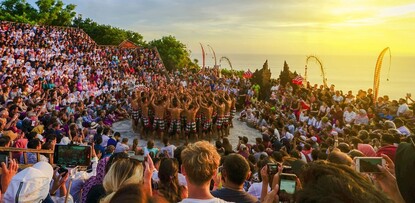
Bali is an ideal destination for solo travelers and culture enthusiasts seeking an authentic travel heritage experience. Areas such as Ubud, Denpasar, Klungkung, and Gianyar are well-known cultural centers where traditional dance performances are regularly held in temples, cultural festivals, and local art studios.
Witnessing Balinese dance in its place of origin, set against the sacred atmosphere of temples and accompanied by live gamelan music offers a far deeper experience than watching it on a screen or modern stage. This immersive encounter allows travelers to understand Bali not merely as a tourist destination, but as a living cultural space that continues to breathe, evolve, and inspire.