



Samparaja Museum: Preserving Bima Sultanate Manuscripts & Culture
Samparaja Museum is a cultural and historical museum located in Bima City, West Nusa Tenggara, Indonesia, dedicated to safeguarding significant historical manuscripts and cultural relics from the Bima Sultanate. Registered within the Indonesia National Museum Registry, it contributes to the broader Museum Indonesia network as a center for historical preservation and cultural education.
What Is Samparaja Museum?
Samparaja Museum serves as a repository and exhibition space for historical documents and artefacts, especially ancient manuscripts written in Arabic script and Malay language from the 17th to 19th centuries. These manuscripts contain official records, customary laws, Islamic jurisprudence, and various knowledge systems that governed the Sultanate and society at the time.
The museum’s name “Samparaja” is derived from the Samparaja Keris, a traditional ceremonial dagger symbolizing the cultural identity and historical legacy of the Bima Sultanate.
Type & Classification
- Type of Museum: General Museum — focusing on cultural and historical collections important to local identity.
- Classification: Type B — indicating substantial collections and public relevance for education and cultural studies.
This classification ensures the museum plays a significant role in both local cultural preservation and national historical narratives.
Ownership & Management
The museum is owned and operated by Yayasan Museum Samparaja Bima, a foundation established by Hj. Siti Maryam R. Salahuddin, daughter of the last Sultan of Bima. The foundation is responsible for curatorial decisions, collection care, and community outreach.
History & Background
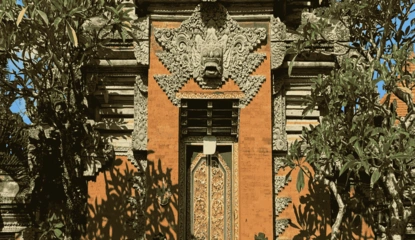
Samparaja Museum was pioneered in 1987 to prevent the loss of invaluable Bima Sultanate manuscripts and to preserve them for future study and cultural understanding. The museum building, modeled after traditional Bima architecture known as Uma Ceko, was officially opened on 10 August 1995 by the Regent of Bima.
Museum Collections
The museum’s collection includes:
- Ancient manuscripts detailing governance, customary laws, and Islamic traditions in the Bima Sultanate.
- Ritual clothing and regalia from the Sultanate period.
- Ethnographic artefacts such as wood carvings and ceramics reflecting cultural life in historical Bima society.
These collections provide rich material for education, research, and cultural appreciation.
Vision & Mission
While not formally stated, the museum’s purpose is clearly centered on preserving historical heritage and promoting cultural understanding among future generations.
Mission Highlights:
- Preserve historical manuscripts and artefacts.
- Provide educational resources for cultural studies.
- Strengthen cultural awareness through exhibitions and historical interpretation.
Role in Museum Indonesia
Samparaja Museum enriches the Museum Indonesia framework by offering insight into regional Sultanate history, preserving manuscripts and cultural objects that embody the intellectual and social achievements of the Bima people. Its collections support research, education, and cultural continuity, reflecting the diversity of Indonesia’s heritage.