






Surjan
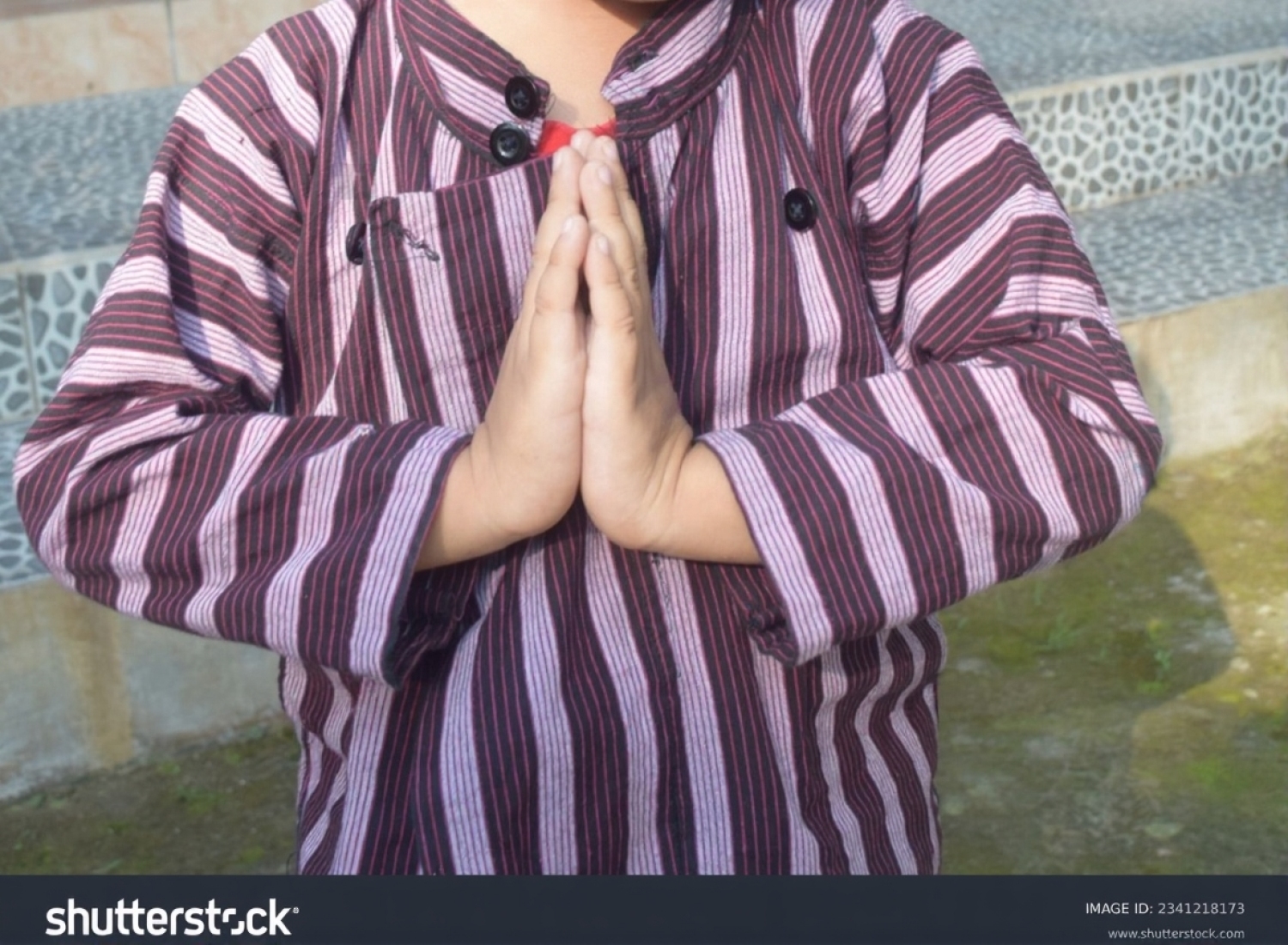
Surjan is one of the most iconic traditional men’s garments from Yogyakarta. More than just clothing, it represents philosophy, etiquette, and the character of Javanese society. In Javanese culture, attire is never just about appearance; it is a medium for expressing moral values and ancestral teachings that have been passed down for centuries.History and Origins of SurjanSurjan is believed to have originated during the era of the Mataram Kingdom. It was primarily worn by nobles and palace servants during formal royal occasions. Over time, Surjan became an important cultural symbol of Yogyakarta and continues to be used today. Two popular types include Surjan Lurik and Surjan Ontrokusuma, each with its own function and philosophical meaning.Distinctive Features of SurjanSurjan resembles a long-sleeved shirt with a standing collar and buttons running down the chest. The sleeves are narrow, symbolizing neatness and discipline, values held in high regard in Javanese life. It is usually made from lurik fabric or simple geometric patterns, each with symbolic meaning.Lurik Motif
Lurik stripes represent sincerity, humility, and resilience. In ancient times, lurik was even believed to hold spiritual protection.
Sogan Color
The brownish-gold color known as sogan is symbolic of maturity and humility. Surjan Ontrokusuma often uses deeper, richer tones to emphasize its function as formal attire for nobility.Symbolism of the ButtonsOne of the unique features of Surjan is its eight buttons: six on the chest and two near the neck. The six chest buttons symbolize the six pillars of faith in Islam, while the two near the collar represent the relationship between humans and God, and humans with fellow humans. This reflects the strong spiritual influence embedded in Javanese culture.Surjan in the Modern EraToday, Surjan is commonly worn during traditional ceremonies, royal events, wedding rituals, and artistic performances. Cultural figures and officials in Yogyakarta often wear Surjan to express cultural identity. It also remains the official attire for palace servants, with specific rules regarding its colors and motifs.Modern adaptations of Surjan have also emerged, making it suitable for semi-formal events. These newer designs retain the elegance of the traditional form but are crafted to match contemporary fashion preferences.A Symbol of Yogyakarta’s Cultural IdentitySurjan stands as a significant cultural representation of Yogyakarta, reflecting elegance, order, and honor. The values woven into every detail of this garment remind us of the depth and richness of Javanese heritage. Preserving Surjan means ensuring the legacy of Yogyakarta’s culture continues to thrive for future generations.