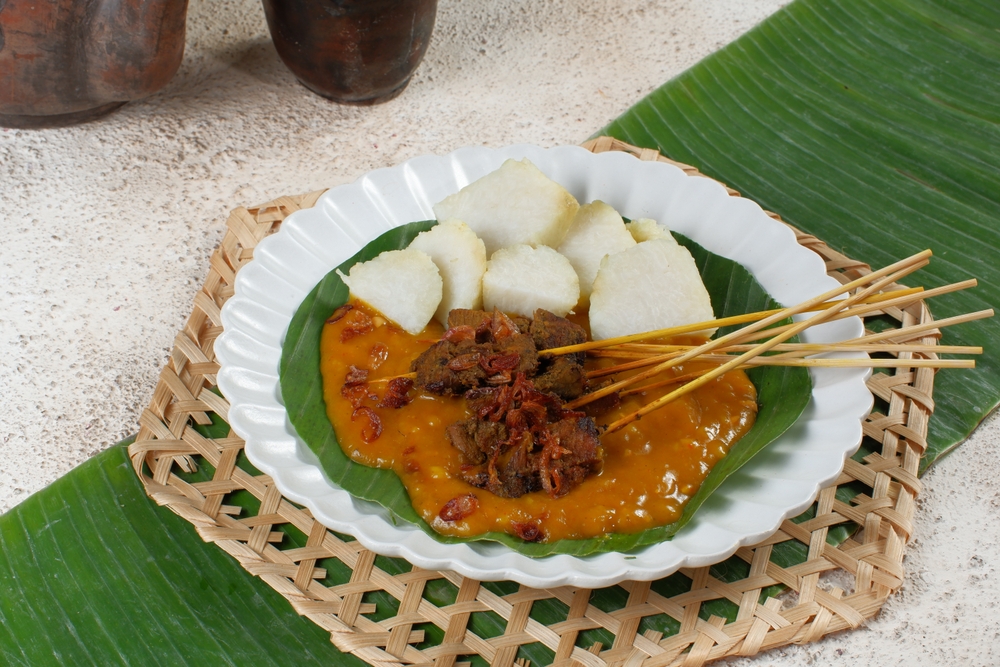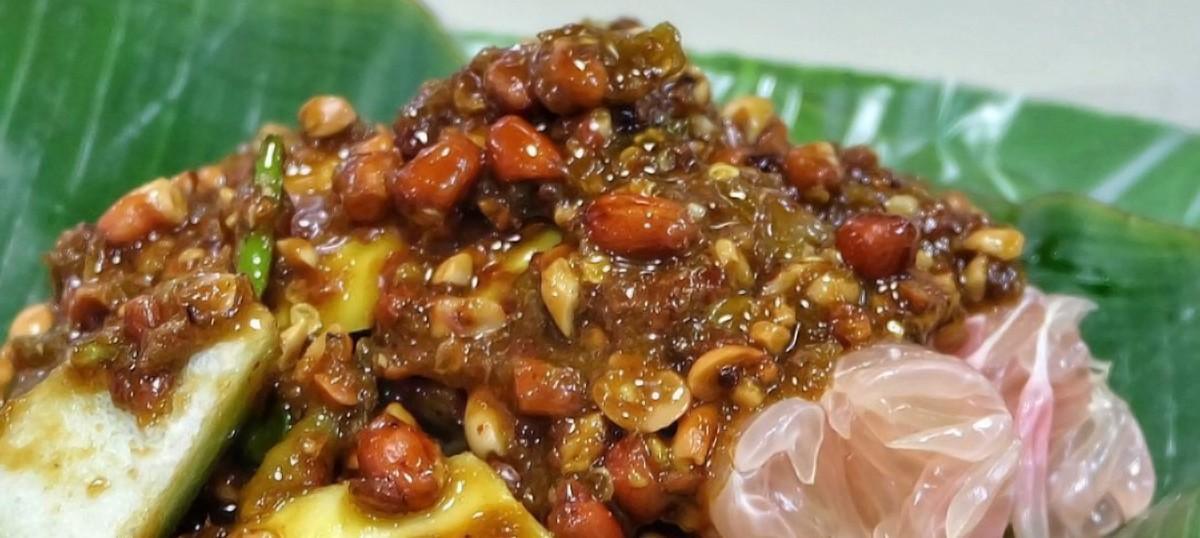







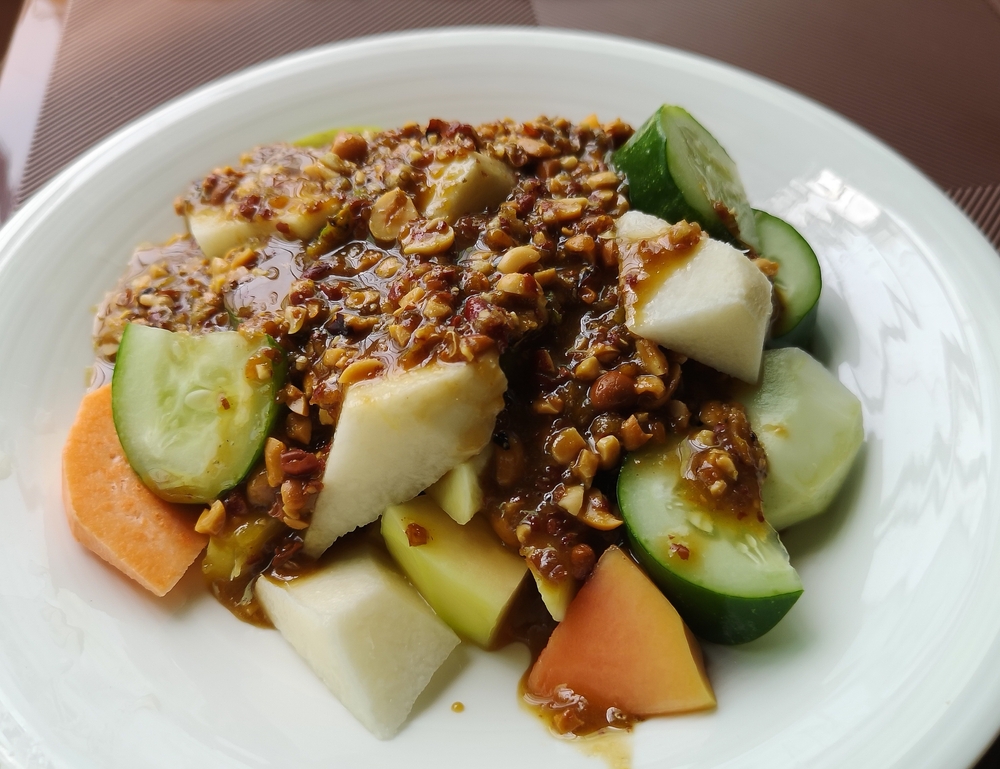
Indonesia is not only home to breathtaking natural landscapes, but also to a wide variety of agricultural produce—one of which is fresh tropical fruit, enjoyed both as a snack and as the main ingredient in a beloved culinary treat known throughout the country: rujak.
But do you know how this refreshing dish first came to be? Let’s take a closer look at the origins of rujak in the Indonesian archipelago before exploring its many varieties.
The History of Indonesian Rujak
According to Wikipedia, rujak is described as an ancient Javanese dish that was even mentioned in the Taji Inscription in 901 AD under the name rurujak.
Based on this, the term rujak is believed to have originated from the Javanese language, meaning “to cut,” “to slice,” and “to crush”, reflecting the very process of making rujak.
From humble street stalls to becoming an icon in Surabaya through Rujak Cingur, this dish showcases its flexibility in blending rich local ingredients. Today, Rujak has been elevated to the international stage as a tool for cultural diplomacy.
In various state events abroad, its refreshing flavor has captivated world diplomats and served as a bridge to introduce Indonesian culture. This confirms that despite its simplicity, the authentic taste of Rujak possesses a universal appeal recognized globally.
Related Article: 10 Things to Enjoy While Exploring Simeulue, Aceh
Varieties of Indonesian Rujak
After looking into its history, it is time to explore the diverse variations of Rujak scattered across the archipelago. Each region has a unique way of processing spices and choosing main ingredients that reflect the local natural wealth.
1. Rujak U Groh Aceh
Unlike common fruit rujak, this specialty from Aceh Besar uses scraped young coconut shells as the main ingredient. A drizzle of rujak dressing mixed with lime juice provides maximum refreshment to quench your thirst. You can generally find Rujak U Groh at roadside stalls along the Banda Aceh-Medan highway.
2. Rujak Mie Palembang
As the name suggests, this rujak uses yellow or white noodles as the main component. It is combined with slices of pempek, cucumber, and a splash of cuko, a spicy, savory, and slightly sweet vinegar-based sauce. If you visit Palembang, try this at Pempek Vico or Pempek Candy.
3. Rujak Juhi Jakarta
This classic Betawi snack features juhi (salted, fermented, and dried squid). Served with cabbage, potatoes, lettuce, and noodle crackers, it is drizzled with a fresh peanut sauce. One of the most famous spots in Jakarta is Rujak Juhi Sabang Kang Erwin in Menteng, Central Jakarta.
4. Rujak Es Krim Yogyakarta
A unique combination of fresh fruit pieces topped with traditional coconut-flavored ice cream (es puter). The spiciness of the rujak seasoning meets the cold ice cream to create an extraordinary sensation in Yogyakarta’s heat. Rujak Es Krim Pak Nardi in Pakualaman is the legendary place to try it.
5. Rujak Gobet Malang
This rujak consists of various shredded fruits like young mango, kedondong, and pomelo. All ingredients are soaked in a spicy-sweet broth, offering a rich texture in every bite. When in East Java, stop by the legendary Depot HTS (Han Tjwan Sing) in Lawang, Malang.
Related Article: 10 Ideas for Unforgettable Adventure in Malang
6. Rujak Cingur Surabaya
The star of this East Javanese icon is the tender slices of boiled beef snout (cingur). Mixed with boiled vegetables and fruit, the secret lies in the thick shrimp paste (petis) dressing. For the most authentic recipe, Rujak Cingur Ahmad Jais in Genteng, Surabaya, is a legendary destination.
7. Rujak Soto Banyuwangi
A unique fusion of vegetable rujak with peanut sauce drenched in warm, savory soto broth. Pieces of cingur are often added for extra texture. To taste the best version of this combo, a visit to Rujak Soto Losari in the heart of Banyuwangi is a must.
8. Rujak Petis East Java
This variety highlights the strong aroma and flavor of petis (shrimp or fish paste). Fresh fruits and vegetables are coated in a thick petis sauce topped with crunchy fried peanuts. It is easily found in various stalls across Madura or the East Java coast.
9. Rujak Kuah Pindang Bali
One of the most unique varieties from the Island of the Gods, using a broth made from pindang (fish) heads. The combination of sliced young mango and the spicy-savory fish broth creates an incredibly authentic taste. Warung Rujak Gelogor in Denpasar is the perfect place to enjoy a bowl.
10. Rujak Bulung Bali
This healthy rujak is made from blanched fresh green seaweed. Served with grated coconut and kuah pindang seasoned with terasi, it offers a fresh taste of the ocean. Visit Warung Men Runtu in Sanur to experience its chewy texture and spicy-fresh broth.
11. Rujak Terasi Lombok
Lombok offers a rujak with a sharp and spicy terasi (shrimp paste) seasoning. The local shrimp paste is mixed with bird's eye chili and palm sugar, then poured over fresh fruit slices. You can enjoy this authentic heat at the row of Rujak stalls along Senggigi Beach.
Related Article: 7 Superb Summer Adventures You Can Have in Lombok
From the freshness of Aceh's western tip to the spicy heat of Lombok, every corner of the archipelago offers an unforgettable rujak flavor adventure. So, what are you waiting for? Turn your culinary dream trip into reality!
Plan your journey to various legendary rujak destinations from Aceh to Lombok with AI Plan Your Trip, or ask MaiA directly for the best activity recommendations, transport options, and other hidden gem rujak spots during your stay.
Ready to treat your taste buds to authentic rujak? It’s time to plan your getaway now!