





The Petik Laut Ceremony is one of the most important traditional rituals among coastal communities in East Java, particularly in regions such as Banyuwangi, Jember, Situbondo, Malang Selatan, and Pacitan. This ceremony is performed as a form of gratitude for the sea’s blessings and as a prayer for safety and abundant fish harvests.
The tradition dates back hundreds of years and remains a strong cultural identity for East Java’s fishermen. Today, Petik Laut is not only a spiritual ritual but also a cultural festival that attracts both local and international tourists.
Meaning and Philosophy of Petik Laut
For coastal communities, the sea is a lifeline. It provides food, income, and transportation routes. The Petik Laut ceremony symbolizes:
- Gratitude for abundant catches
- Prayers for safety at sea
- Protection from storms and danger
- Hopes for future prosperity
The ceremony reflects harmony between humans and nature, aligned with Javanese philosophy emphasizing balance with the universe.
Main Stages of the Ceremony
Although each region may have its own variations, the core stages are similar:
1. Preparation of Offerings
Communities prepare offerings such as:
- Cow or goat head (in some regions)
- Tumpeng (cone-shaped rice)
- Flowers, incense, and ceremonial items
These offerings symbolize gratitude and protection.
2. Cultural Parade
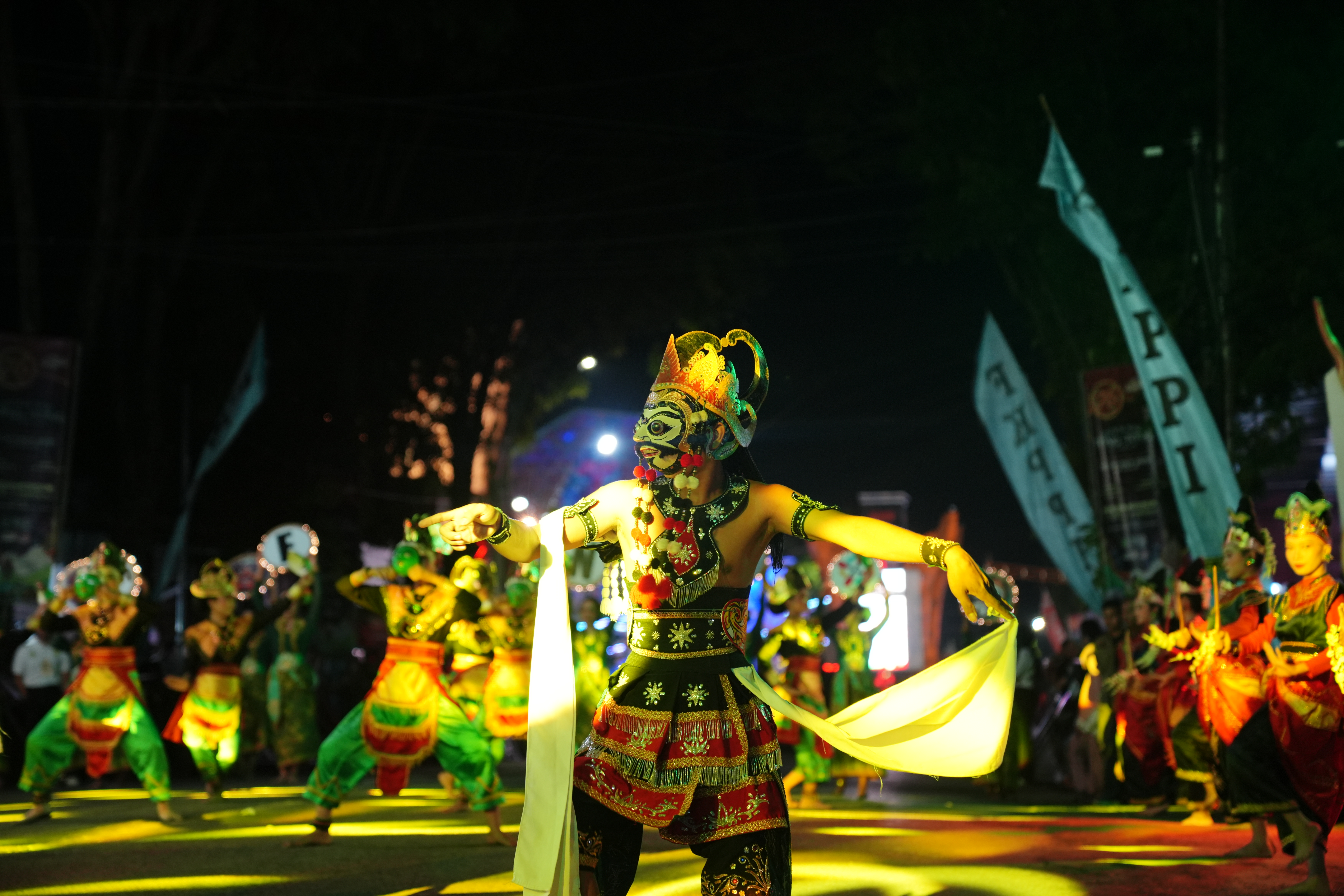
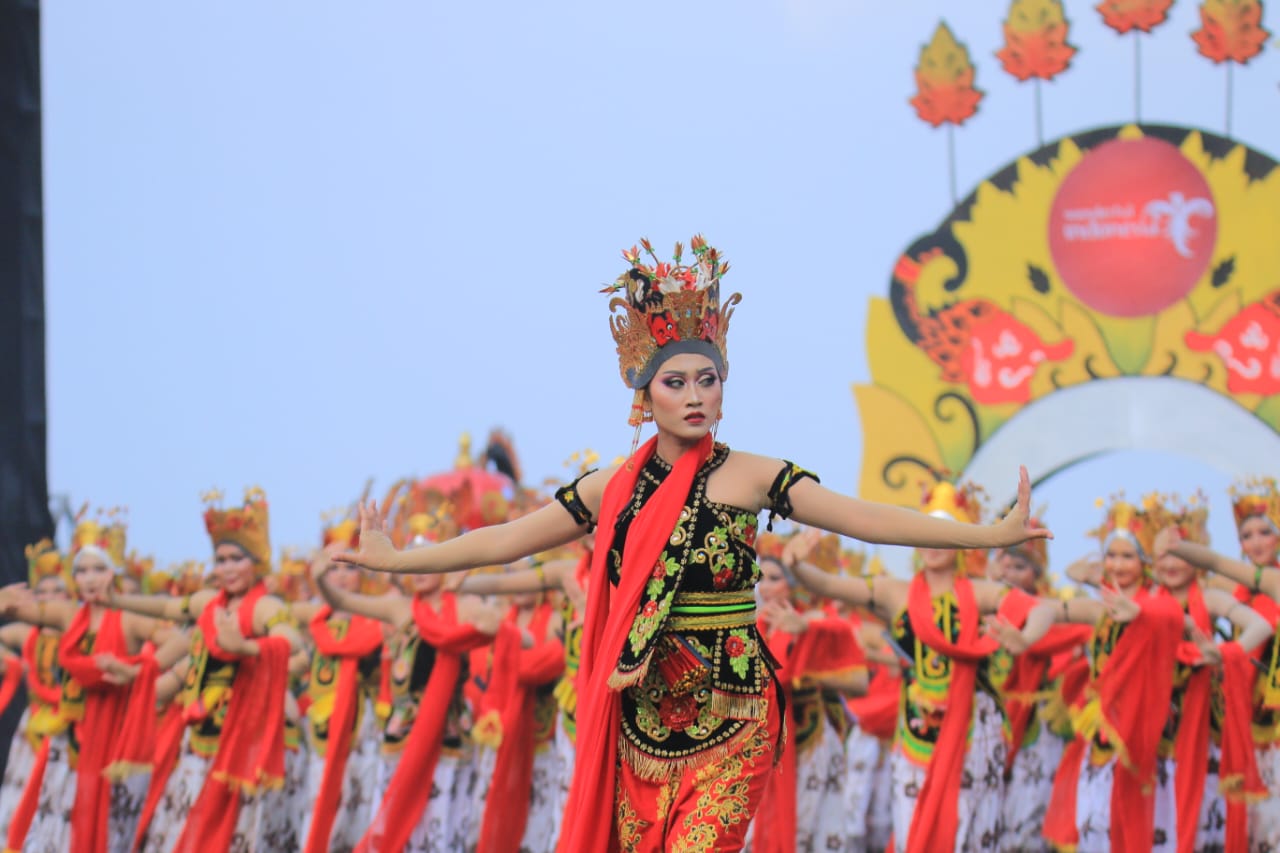
The procession begins with a parade carrying the offerings from the village hall to the seashore. The parade is often accompanied by:
- Traditional patrol music
- Gandrung dance
- Jaranan or reog performances
This showcases the richness of local traditions.
3. Sea Offering (Larung Sesaji)
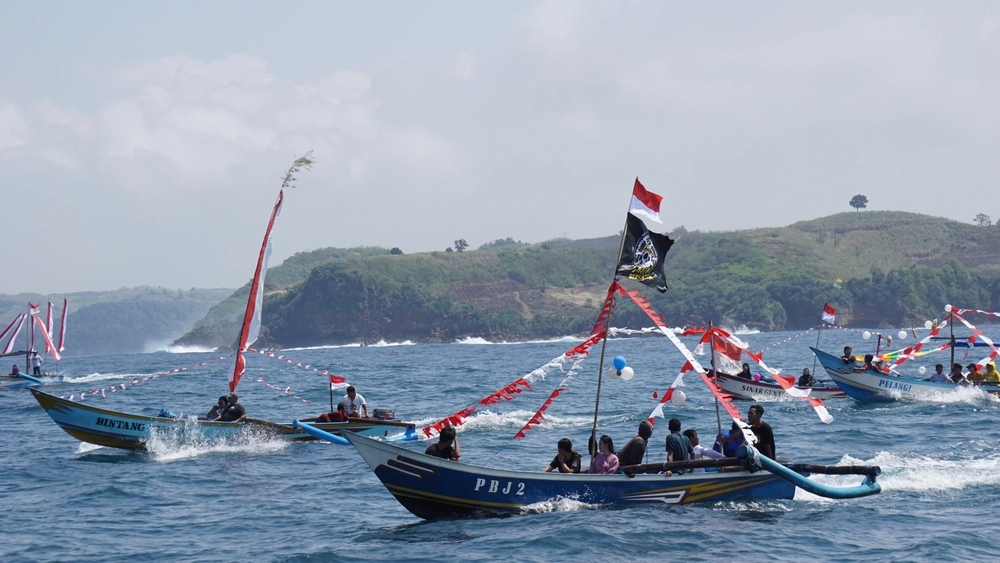
The highlight of the ceremony. The offerings are placed on a decorated boat and taken to the open sea where they are released. The main boat is usually followed by dozens of fishermen’s boats. Prayers are recited during the larung ritual to ask for safety and blessings.
4. Community Festival
After the ritual, the community gathers for festivities such as:
- Food bazaars
- Boat races
- Traditional performances
- Music shows
These festivities strengthen social bonds among villagers.
Petik Laut as Cultural Tourism
Today, Petik Laut has become a cultural tourism attraction promoted by local governments. Places like Banyuwangi have successfully incorporated it into their annual tourism calendar, drawing thousands of spectators.
The Petik Laut Ceremony represents the soul of East Java’s coastal communities, a tradition that blends spirituality, culture, and respect for nature. Through this ritual, people reaffirm their gratitude and strengthen their connection with the sea that sustains their lives.