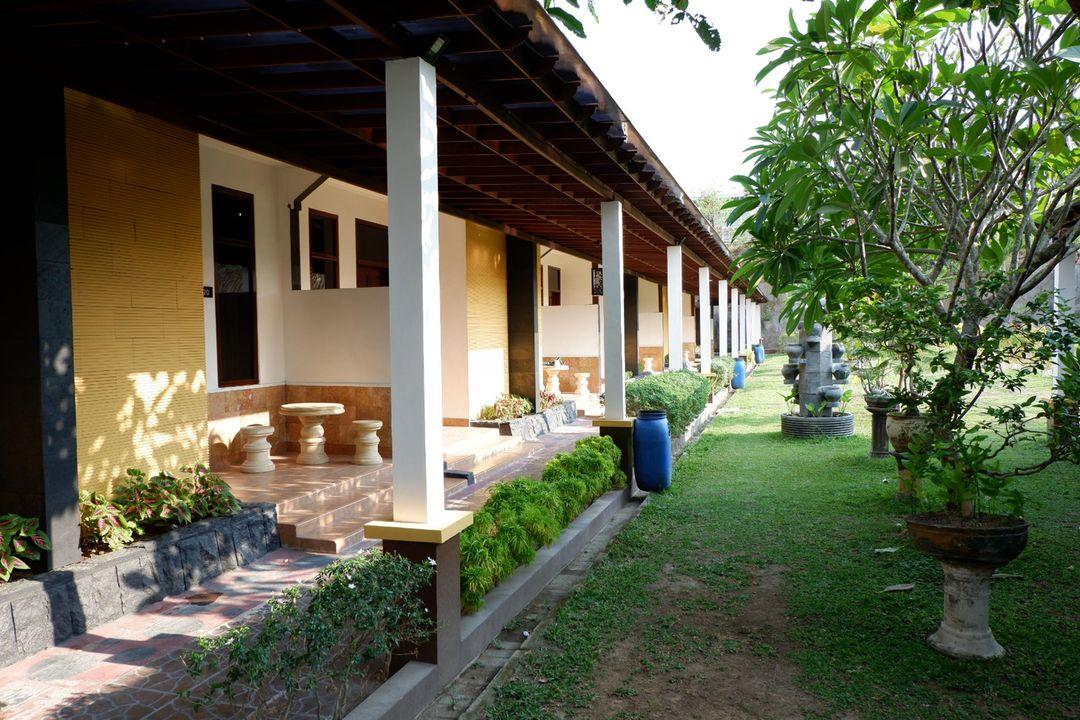



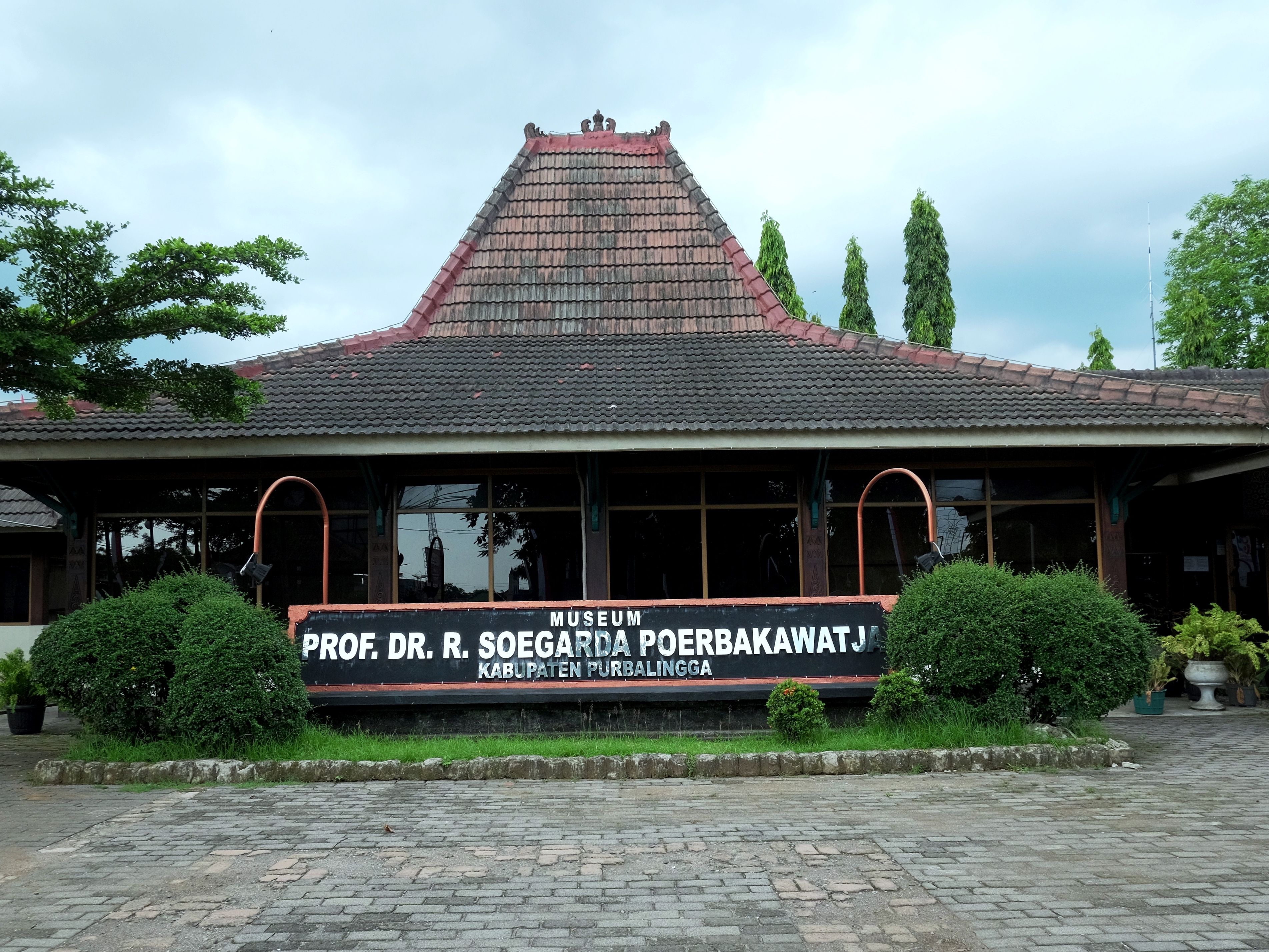
The Prof. Dr. R. Soegarda Poerbakawatja Museum is a public museum located in Purbalingga Regency, Central Java, Indonesia, dedicated to preserving and showcasing cultural and historical artifacts of the region, as well as honoring a distinguished national education figure, Prof. Dr. R. Soegarda Poerbakawatja.
The Prof. Dr. R. Soegarda Poerbakawatja Museum is an institution for collecting, conserving, and exhibiting cultural objects and historical artifacts that reflect the heritage of Purbalingga. The museum combines local cultural heritage with the legacy of Prof. Soegarda Poerbakawatja, a renowned educator whose life and career contributed to the educational development in Indonesia.
Type and Management Museum
The museum is classified as a general museum (Type C). This category includes institutions that house a wide variety of historical, cultural, and ethnographic collections, reflecting the community’s daily life, environment, and heritage.
The museum is owned by the Purbalingga Regency Government and operated by the Department of Education and Culture of Purbalingga. It is responsible for collection care, exhibition management, visitor services, and educational programming for students, researchers, and general visitors.
History of the Museum
The idea to establish the museum was initiated by the Regent of Purbalingga (2000–2010), Drs. Triyono Budi Sasongko, M.Si., who aimed to preserve the many historical artifacts found in the region. The museum was officially inaugurated on April 24, 2003, by the then Governor of Central Java, Drs. H. Mardiyanto.
The museum bears the name of Prof. Dr. R. Soegarda Poerbakawatja, a native of Prigi Village in Purbalingga, who is recognized for his long career in education, including serving as the founding rector of Cenderawasih University in Papua. His life and work are represented throughout the museum.
The museum’s themes and exhibits are guided by a Javanese philosophical concept that life is complete when one possesses five essentials: home (wisma), heirlooms (pusaka), women (wanita), vehicles (turangga), and birds (kukila), symbolizing knowledge and cultural richness.
Collections
The museum’s extensive collection includes thousands of cultural heritage objects, such as:
- Archaeological artifacts, including stone bracelet workshop remnants.
- Personal memorabilia and documents of Prof. Soegarda Poerbakawatja.
- Ethnographic items representing traditional life in Purbalingga.
- Wayang Suket Mbah Gepuk, recognized as Intangible Cultural Heritage at the national level.
These collections illustrate the cultural evolution of Purbalingga, from prehistoric periods through colonial times to modern Indonesian history.
Vision Museum
The museum’s vision is to become a center of cultural information in Purbalingga that contributes to national education, preserves local culture, strengthens national identity, and supports regional tourism development.
Mission Museum
The museum’s mission includes:
- Managing the museum professionally to serve visitors seeking cultural knowledge.
- Collecting cultural heritage objects and accurate information for educational and tourism purposes.
- Developing partnerships to enhance the utilization and public awareness of the museum’s collections and cultural information.
Educational and Social Role
Beyond serving as a repository of historical objects, the museum plays an important role as an educational hub where visitors can learn about local traditions, heritage preservation, and the legacy of a prominent education figure in Indonesia’s history. Through diverse collections and outreach programs, it serves both as a cultural attraction and a place of learning.