









South Papua is known not only for its stunning natural beauty and rich indigenous culture, but also for its diverse traditional dishes made from sago.
One of the most popular foods deeply rooted in the daily life of local communities is Sagu Sep. This dish is more than just everyday food—it is part of the cultural identity of the Papuan people, passed down from generation to generation.
With its distinctive taste and highly traditional preparation process, Sagu Sep is considered a special dish often served during customary ceremonies, celebrations, and even to honor guests. Tasting Sagu Sep means experiencing the warmth and cultural values that have long lived in the land of South Papua.
What Is Sagu Sep?
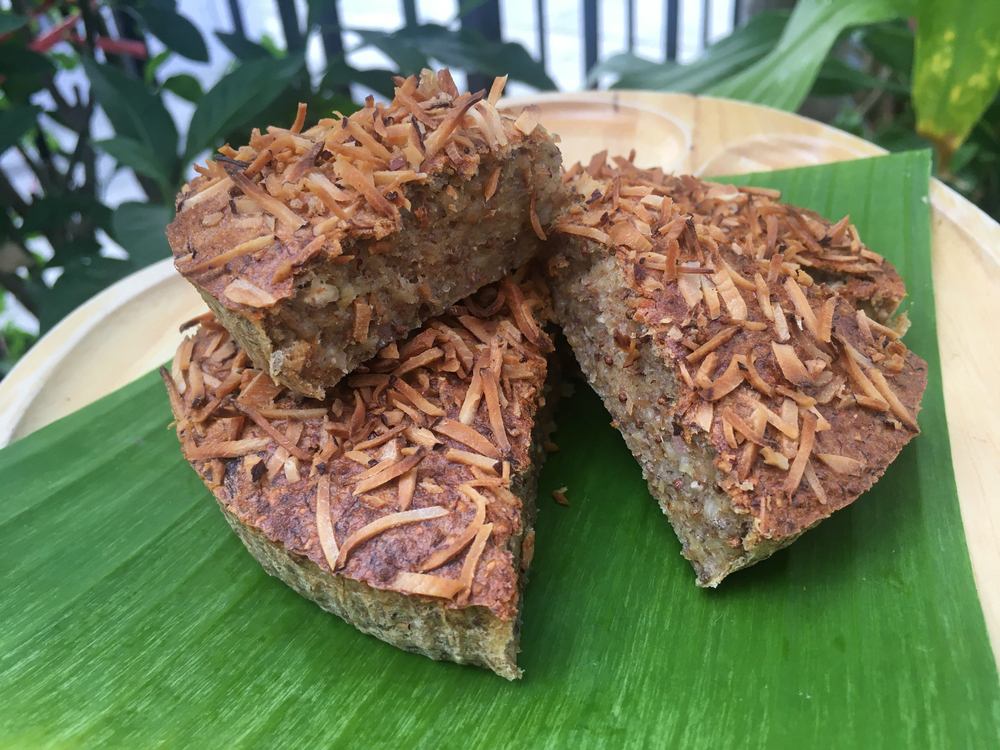
Sagu Sep is a traditional dish from South Papua made from sago flour cooked until it forms a chewy and firm dough. Unlike papeda, which has a soft and sticky texture, Sagu Sep is denser, smoother in its fibers, and doesn’t crumble easily. It is often shaped into blocks or round pieces, depending on the region and the local tradition.
The sago used usually comes from locally grown sago palms and is processed using traditional methods. Its preparation requires skill—from extracting the sago flour, sieving it, and cooking it using clay pots or traditional cookware. The result is a chewy, delicious dish rich in natural carbohydrates.
Flavor and Serving Style
Sagu Sep is known for its neutral yet naturally savory taste, making it suitable to pair with a variety of South Papuan dishes. It is commonly served with:
- Yellow fish soup (ikan kuah kuning)
- Grilled fish with simple seasonings
- Sayur lilin or taro leaf stew
- Papua-style dabu-dabu
- Roa sambal or local shrimp paste sambal
The combination of savory fish and the chewy texture of Sagu Sep creates an authentic and comforting dining experience. Its firm texture makes it filling and suitable as a substitute for rice or other staple foods.
Cultural Meaning Behind Every Serving
For the people of South Papua, Sagu Sep is more than just food—it is a symbol of resilience. The sago palm has been a primary food source since ancient times, capable of surviving various natural conditions and providing abundant harvests.
The process of making Sagu Sep is often done together, especially during traditional ceremonies or village celebrations. This collective activity strengthens values of unity and cooperation, which are essential in Papuan community life.
Serving Sagu Sep to guests is also considered a gesture of respect and a warm welcome, reflecting the hospitality that Papua is known for.
As one of the traditional foods of South Papua, Sagu Sep plays an important role in the region’s culture, daily life, and identity.
Its unique taste, traditional preparation, and deep cultural values make Sagu Sep more than just a dish. it is a part of the soul and heritage of the Papuan people.