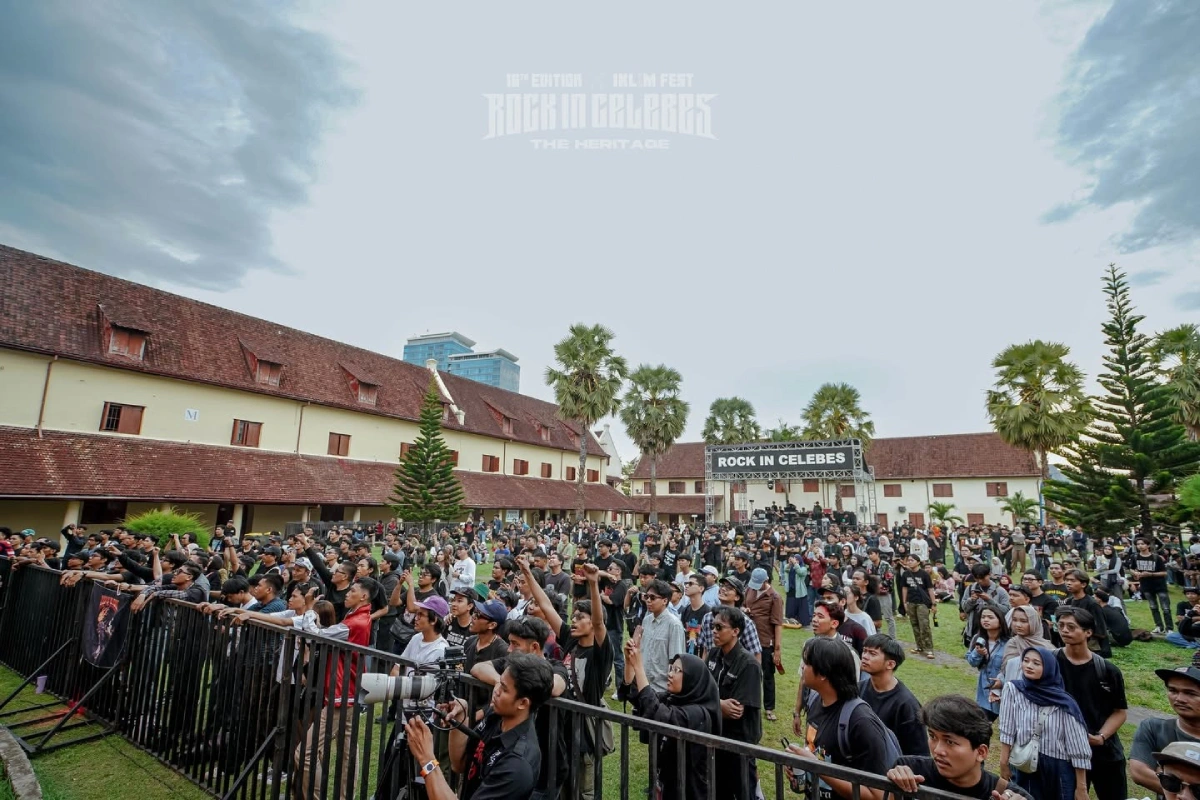


Fort Rotterdam, or more formally known as Fort Rotterdam, is an iconic historical destination in Makassar that stands majestically on the waterfront. The fort was originally built by the Gowa-Tallo Kingdom, but it later fell into Dutch hands and became a center for colonial defense.
Known as "Benteng Panyua" (Turtle Fort) because its shape resembles a turtle, this site offers a captivating blend of local and European architecture. Today, the complex serves as an educational public space, preserving thousands of stories regarding South Sulawesi's glorious past.
The Charms of Fort Rotterdam
Fort Rotterdam possesses a unique visual appeal due to its architectural shape, which resembles a turtle when viewed from above. This shape symbolizes the philosophy of the Gowa-Tallo Kingdom, as the turtle is a creature that can live both on land and at sea.
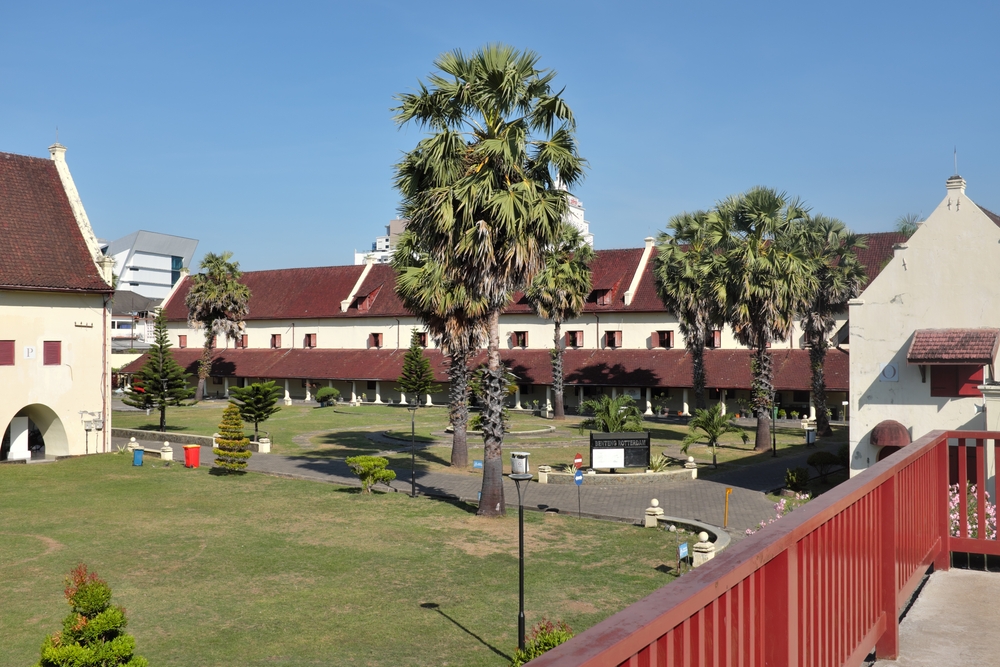
The buildings are exceptionally well-maintained, making this fort one of the best-preserved Dutch colonial heritage sites in Indonesia. Visitors can feel the 17th-century atmosphere through the rows of sturdy European-style old buildings with their giant wooden doors.
The presence of the La Galigo Museum within the fort complex houses thousands of artifacts that tell the story of the cultural glory of the Bugis and Makassar people. Additionally, the historical significance of Prince Diponegoro’s exile cell provides a deep and touching narrative of struggle.
Its strategic location on the edge of Makassar City makes it a favorite spot to enjoy an exotic sunset. The combination of high historical value, lush gardens, and easy access makes this fort an iconic travel destination that should not be missed.
History of Fort Rotterdam
Fort Rotterdam was previously named Ujung Pandang Fort. It was built in 1545 by the 10th King of Gowa, I Manrigau Daeng Bonto Karaeng Lakiung Tunipalangga Ulaweng.
The fort's shape resembles a turtle, symbolizing the Gowa Kingdom's glory on both sea and land. However, the fort was eventually surrendered to the Dutch after Sultan Hasanuddin was defeated in the Gowa War and forced to sign the Bongaya Treaty on November 18, 1667.
Ultimately, Ujung Pandang Fort was renamed Fort Rotterdam, after the birthplace of Cornelis J. Speelman. It was rebuilt by the VOC in a Dutch architectural style to serve as a defense command headquarters, trade center, high-ranking official residence, and government center.
The building also served as a place of imprisonment for Prince Diponegoro from 1833 to 1855 and was used as a prisoner-of-war camp by the Japanese army during World War II.
Later, during the Dutch Military Aggression from 1945–1949, the fort was briefly reclaimed by the Dutch. Finally, in the 1970s, the fort underwent restoration by the government and was designated as a tourist destination.
Related article: 9 Instagrammable Places You can Only Discover In and Around Makassar
Inside Fort Rotterdam and Activities to Do
Fort Rotterdam is a "silent witness" to South Sulawesi's journey from the Gowa-Tallo Kingdom era to Dutch colonialism. Behind its sturdy walls, you will find a complex of well-preserved European-style buildings.
There are rows of ancient buildings now functioning as the La Galigo Museum, which stores thousands of historical collections. Additionally, there is a narrow prison cell where Prince Diponegoro was exiled for many years by the Dutch colonial government.
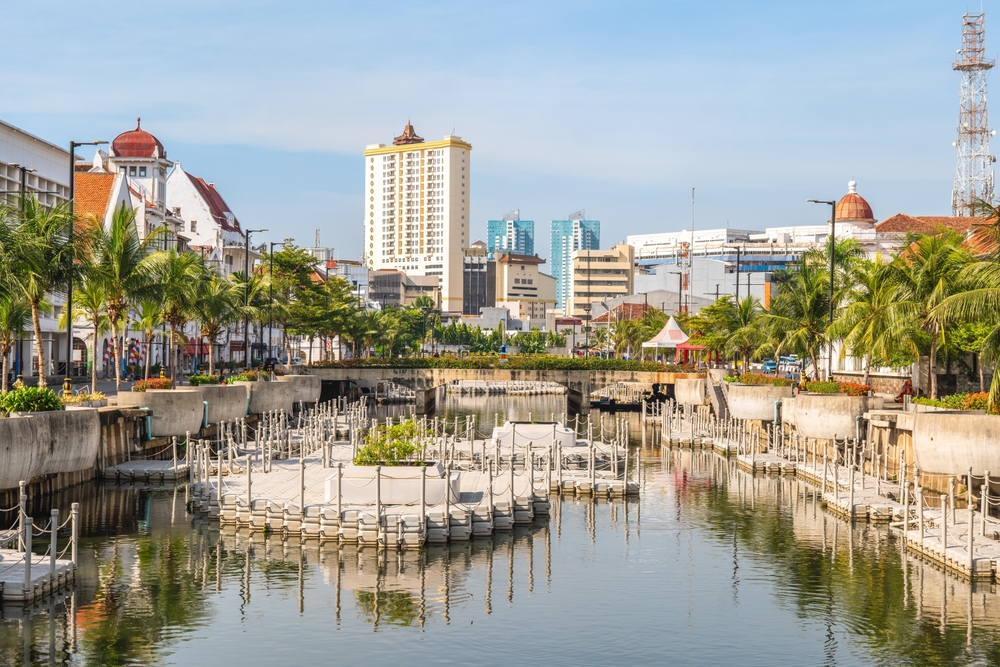
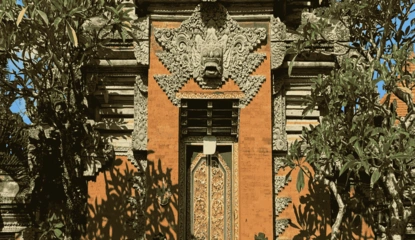
The complex also features a green open garden in the center and a main gate adorned with ancient carvings. The building structures are unique, featuring high gable roofs that create a visual contrast against the modern Makassar City skyline.
Here are several activities you can do when visiting Fort Rotterdam:
- Exploring La Galigo Museum: Browse through prehistoric collections, traditional clothing, and miniature Pinisi ships—the pride of the Bugis-Makassar people. Every room offers deep insight into the rich culture and long history of South Sulawesi.
- Visiting Prince Diponegoro’s Cell: You can see firsthand the cramped room where this national hero was exiled to experience a profound emotional connection to history. The authenticity of the room is preserved as a vivid depiction of past struggles.
- Hunting for Aesthetic Colonial Photos: Take advantage of the "Instagrammable" 17th-century architecture with its white walls and large wooden windows as your photo backdrop. The blend of classic design and green courtyards provides a truly iconic colonial vibe.
- Enjoying the View from the Fort Walls: Climb the fort walls to see a panorama of Losari Beach and the Makassar sea from a height. This area is the best place to relax while enjoying the breeze and the sunset.
- Makassar Culinary Tour: Taste various local dishes, such as Es Pisang Ijo, which are widely sold around the fort's gate area. This culinary activity is the perfect way to end your day after exploring the history.
Related article: Fascinating Things to See and Do When in Makassar
Tips for Visiting and Operational Information
Here are practical tips for a comfortable visit to Fort Rotterdam:
1. Arrive in the Late Afternoon
The best time to visit is from 3:30 PM until closing so the weather isn't too hot. You can enjoy a calmer atmosphere while waiting for the beautiful sunset from atop the fort walls.
2. Wear Comfortable Clothing
Wear sweat-absorbent clothing and comfortable footwear as you will be doing a lot of walking in open areas. Also, bring sunglasses or a hat to protect yourself from the intense Makassar sun.
3. Prepare Cash for Tickets
While some services are moving toward digital, it's best to prepare small denominations of cash for museum entry and parking. Museum fees are usually separate from the fort entry fee, so ensure you have extra cash ready.
4. Bring a Camera or Phone with Full Battery
Every corner of Fort Rotterdam is highly aesthetic and Instagrammable. Ensure your device is fully charged so you don’t miss out on capturing photos of the exile cell or the view from the walls.
5. Maintain Cleanliness and Follow Rules
As a highly valuable cultural heritage site, ensure you do not litter or deface the building walls. Follow all signs and officer instructions to help preserve the integrity of this historic structure.
Related article: Coto Makassar, a Tasty Cuisine Rich in Spices and History
Plan your trip to Makassar and learn history in an exciting way at Fort Rotterdam. Use the AI Plan Your Trip feature to customize your interests, time, and travel style while in South Sulawesi.
Create your personal itinerary with this feature, or ask MaiA for other exciting activity recommendations that always ready to accompany you on an unforgettable journey in Makassar.