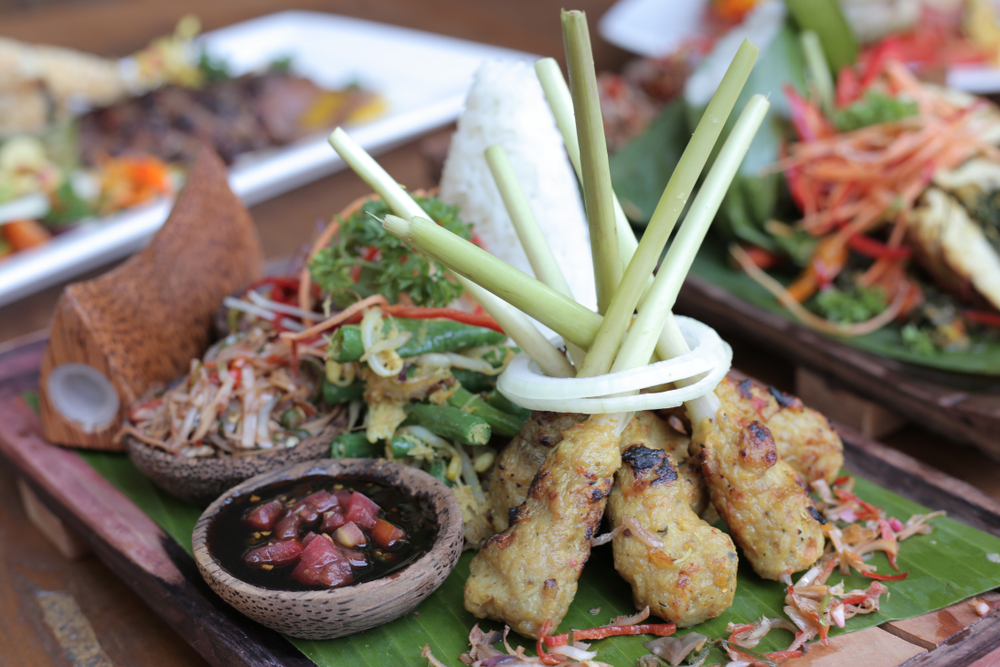







Eid is always associated with a dining table filled with special dishes. Among coconut based curries and richly spiced delicacies, traditional rice dishes for Eid almost always take center stage and become an essential part of the celebration.
From the iconic ketupat to the fragrant, fire roasted lemang, there are many traditional rice dishes for Eid that you can recognize and enjoy. Each region offers its own flavors and culinary traditions, making the festive moment feel even warmer and more memorable.
Why Are Rice Dishes Important During Eid?
Rice has long been a staple in Indonesian daily life, which makes its presence during Eid feel both natural and meaningful. When the holiday arrives, rice is no longer served in its simplest form but transformed into special dishes prepared with extra care and intention.
Beyond flavor, rice based dishes also symbolize togetherness. Preparing ketupat, steaming lontong, or slicing wajik is often done collectively with family members, creating shared moments that make the celebration even more meaningful.
Interestingly, every region in Indonesia has its own unique way of preparing rice. Differences in cooking techniques, ingredients, and flavors are what make traditional rice dishes for Eid so diverse while reflecting the richness of Indonesian culture.
10 Traditional Rice Dishes for Eid You Must Try
Each region in Indonesia has its own signature rice based specialty that appears during the festive season. Here are 10 traditional rice dishes for Eid that deserve a place on your table.
1. Ketupat
Ketupat is perhaps the most iconic of all traditional rice dishes for Eid. Originating from Javanese tradition and spreading across the archipelago, rice packed inside woven young coconut leaves symbolizes purity and forgiveness.
Its firm yet tender texture pairs perfectly with chicken opor or rendang. The intricate weaving and long boiling process make ketupat feel even more special during the celebration.
2. Lontong
Lontong is widely found in Java and Sumatra. It is made by placing partially cooked rice into banana leaves and boiling it until compact, resulting in a light flavor with a subtle leaf aroma.
During Eid, lontong often serves as an alternative to ketupat. Its practical shape makes it easy to serve with coconut milk based dishes such as opor or spiced vegetable stew.
3. Burasa
Burasa comes from South Sulawesi, particularly within the Bugis and Makassar communities. It is prepared by cooking rice with coconut milk, wrapping it in banana leaves, and steaming it until firm.
Savory and soft in texture, burasa is commonly served with coto Makassar or chicken curry, adding an eastern Indonesian touch to traditional rice dishes for Eid.
4. Pali-Pali
Pali-pali is known in parts of Kalimantan and Sulawesi. It is made from rice or glutinous rice cooked with coconut milk and wrapped in leaves.
Its soft texture and mild savory flavor make it a perfect complement to richer main dishes served during Eid.
5. Jadah
Jadah originates from Central Java and Yogyakarta. Made from pounded glutinous rice, it has a dense, chewy texture with a subtle savory taste.
During Eid, jadah is often paired with sweet or savory side dishes. Though simple in appearance, its comforting flavor makes it memorable.
Related Article: Explore Yogyakarta: Culture, Heritage & Natural Beauty
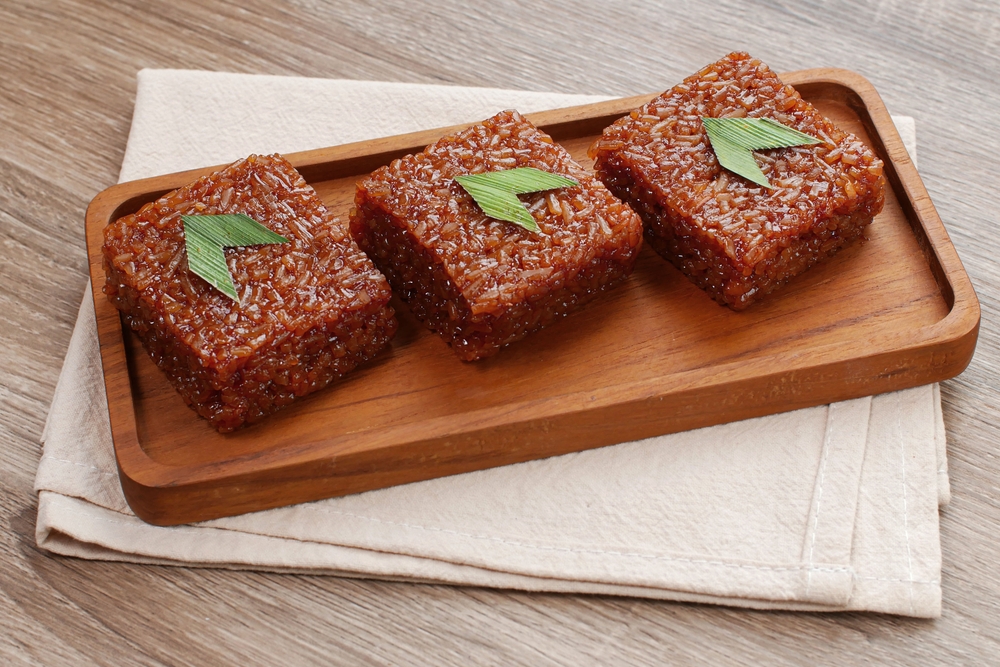
6. Wajik
Wajik is another glutinous rice based delicacy popular in Java and Bali. Cooked with palm sugar and coconut milk, it offers a rich sweetness and sticky texture.
Its glossy brown appearance makes it visually appealing on the Eid table. Wajik is usually cut into small pieces and enjoyed as a sweet treat during family gatherings.
7. Lemang
Lemang is strongly associated with West Sumatra, Riau, and parts of Kalimantan. It is made from glutinous rice mixed with coconut milk, placed inside bamboo, and slowly roasted over an open fire.
The aroma of bamboo and smoke gives lemang its distinctive character. It is often served with rendang or fermented cassava for a delightful balance of savory and sweet flavors.
8. Sekubal
Sekubal is a traditional Eid rice dish from Lampung. Made from glutinous rice cooked with coconut milk and wrapped in banana leaves, it has a soft texture and savory taste.
This dish is also served during other major celebrations. Its lengthy preparation process is often seen as a symbol of sincerity in welcoming the festive day.
9. Lepet
Lepet is commonly found in Java. It is made from glutinous rice mixed with grated coconut and peanuts, wrapped in young coconut leaves, and steamed until cooked.
The chewy texture and nutty savory flavor add variety to the Eid table. Lepet is often served alongside ketupat as a complementary dish.
10. Fermented Glutinous Rice (Tape Beras Ketan)
Tape beras ketan is popular in West Java and Sumatra. It is made by fermenting glutinous rice, resulting in a soft texture with a sweet and slightly tangy flavor.
As a dessert, it provides a refreshing contrast after rich coconut milk dishes. Its distinctive taste makes it one of the most anticipated festive treats.
Related Article: The Ultimate Guide to Must-Try Indonesian Food
So, which one would you like to try first? The iconic ketupat, the sweet wajik, the savory lepet, or the refreshing fermented glutinous rice?
Plan your culinary journey with AI Plan Your Trip to create an itinerary tailored to your schedule and preferences. If you need quick recommendations on the best destinations to enjoy traditional rice dishes for Eid, MaiA is ready to assist with practical insights to make your festive food adventure even more enjoyable.