
Museum Istiqomah is a specialized museum located in Belitung Timur Regency, Bangka Belitung Islands Province, Indonesia. It focuses on preserving and presenting historical artifacts related to the Buding Kingdom, a local historic polity of northern Belitung Island. Unlike general history museums, Museum Istiqomah places strong emphasis on local cultural heritage and traditional artefacts from the region’s past.
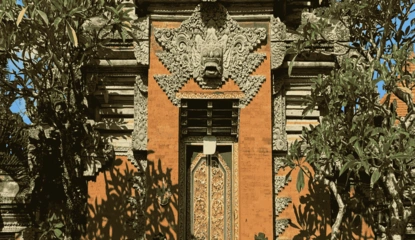
The name “Istiqomah” comes from Balai Istiqomah, the first building used as a repository for historical items. Originally, this building was Masjid Istiqomah, a mosque built in 1811 on land donated by Entjik Toessin bin Moebin. Over time, the mosque deteriorated and was later repurposed as part of the museum complex.
Type and Management Museum
Museum Istiqomah is classified as a special museum that showcases artifacts specific to the culture and history of the Buding Kingdom and the people of Belitung Timur. As a themed museum, it differs from general museums by focusing on a specific cultural narrative rather than broad national history. It currently holds a category of not yet fully standardized museum under the national museum registry, meaning its facilities and collections continue to be developed for broader educational use.
The museum is owned and managed by the Government of Belitung Timur Regency via the Department of Culture and Tourism as part of the region’s efforts to preserve and promote local history and heritage. Government management ensures sustainable operations and integration into local cultural programming.
History of Museum Istiqomah
The origins of Museum Istiqomah trace back to community-led efforts to preserve the historic mosque and artefacts of the Buding Kingdom. The mosque, built in 1811, was revitalized in 2002 by locals led by Aris Baher bin Taib into what became known as Balai Istiqomah, which served as the first space for collecting historical artefacts.
In 2010, the government constructed an additional exhibition building called Balai Entjik Toessin, named after the land donor. This expansion allowed the museum to display its collections formally and serve as an educational space about local history.
Collections
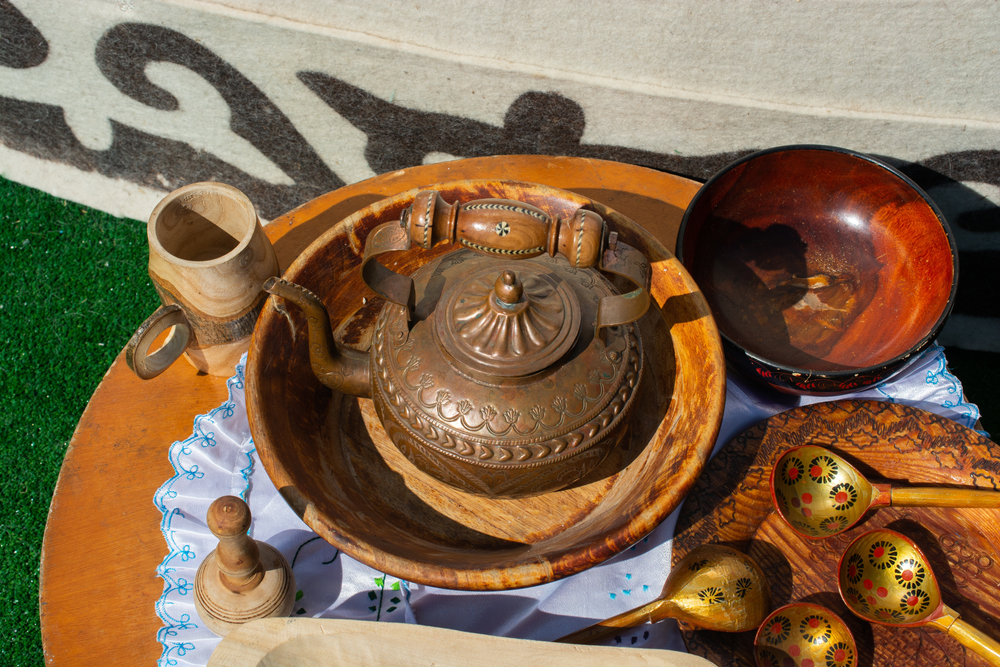
The museum’s collections include traditional items and artefacts associated with the Buding Kingdom, such as ceremonial trays, animal-skin caps, pottery items, and everyday tools. Each exhibit is accompanied by descriptions that provide visitors with context about their use and cultural significance.
Vision Museum Istiqomah
While Museum Istiqomah does not have a publicly recorded official vision in the national registry, functionally it strives to act as a center for historical information and cultural education about the Buding Kingdom and local heritage.
Mission Museum Istiqomah
The museum’s mission can be summarized as:
- Preserving historical artefacts from the Buding Kingdom.
- Educating visitors about the cultural history of Belitung Timur.
- Promoting local cultural heritage as part of Indonesia’s diverse history.
- Supporting cultural tourism and education through engaging exhibitions and interpretation.
The Role of Museum Istiqomah in the Community
Museum Istiqomah plays an important role as a center for education, cultural preservation, and historical information for local communities and visitors from outside the region. The dioramas and artefacts on display help revive the history of the Buding Kingdom for the present generation, ensuring that historical and cultural values remain part of the nation’s collective memory. In addition, the museum serves as an attractive educational tourism destination in Belitung Timur.