



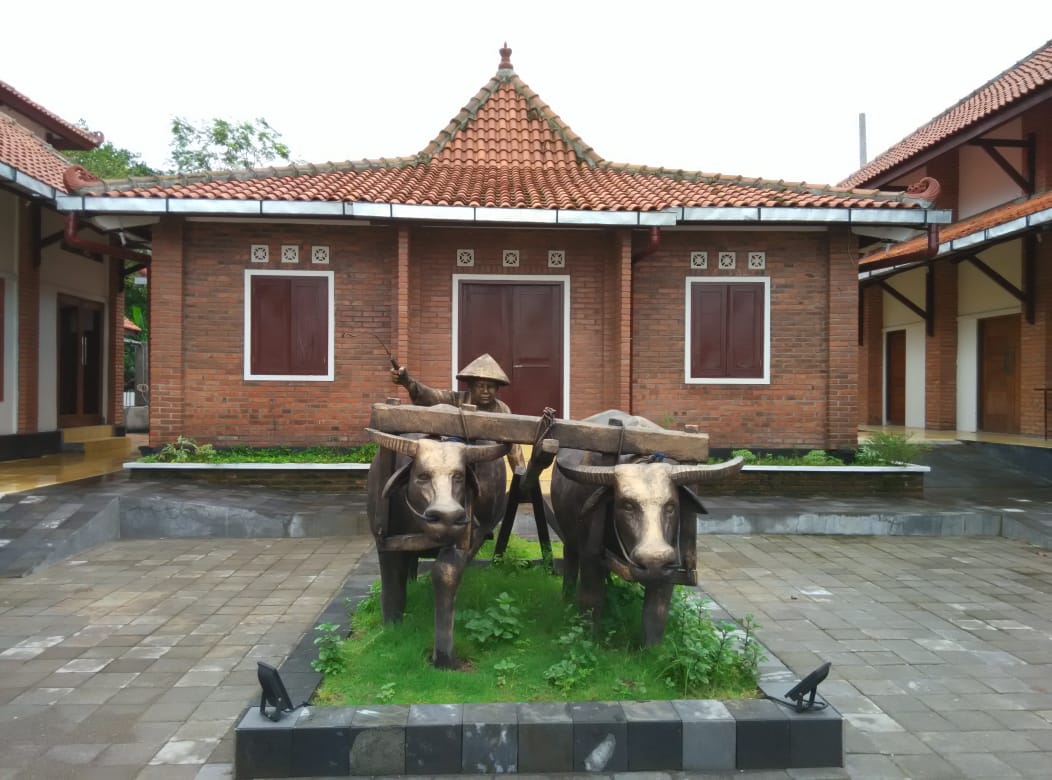
Museum of The Javanese Farmers is a specialized museum located in Candran Tourism Village, Kebonagung, Imogiri District, Bantul Regency, Special Region of Yogyakarta. The museum was established to preserve Javanese agricultural values and traditions, as well as to document the heritage of farmers’ lives through a diverse collection of farming tools and agricultural cultural practices.
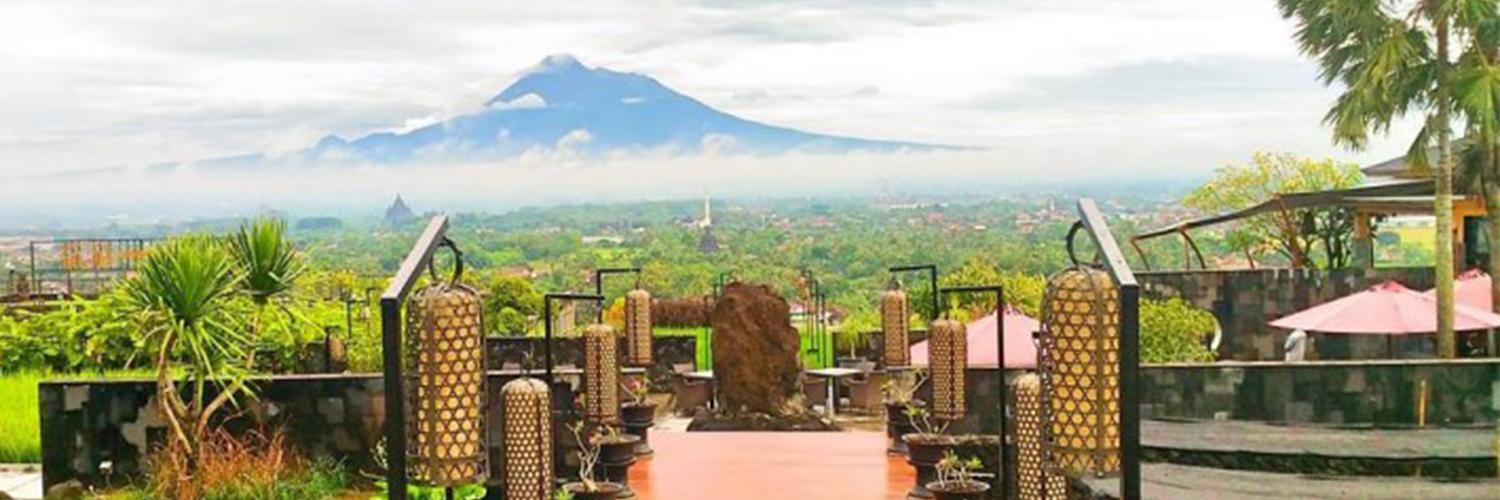
The museum is situated within an agricultural tourism village where local communities continue to practice traditional farming methods passed down through generations. As a result, visitors are not only able to view historical collections but also experience firsthand the daily life and traditions of Javanese farmers.
Museum Type and Management
According to official data from the Ministry of Culture of the Republic of Indonesia, Museum of The Javanese Farmers is classified as a specialized museum due to its focused collection of traditional farming tools, customs, and agricultural practices of Java.
In terms of museum typology, it has not yet fully met the national museum standard criteria as outlined in the Ministry of Education and Culture’s official museum catalog. Nevertheless, it is formally registered and holds a valid National Museum Registration Number (NPNM).
The museum is owned and managed by the Museum Tani Jawa Indonesia Foundation, an organization responsible for preserving the collections and organizing educational programs and activities related to Javanese agricultural culture.
History of Museum of The Javanese Farmers
The idea for establishing the museum was first initiated in 1998 by Kristya Bintara, who was serving as the Head of Kebonagung Village at the time. The concept emerged as part of an effort to develop an agriculture-based educational tourism village, reflecting the fact that most residents in the area were traditional farmers.
In 2005, the collection of traditional farming tools began at the Joglo house owned by Dukuh Subandi. However, the original museum building was severely damaged by the major earthquake that struck Yogyakarta in 2006. After the disaster, the museum was rebuilt at the residence of Sarjono/Purwowiyono in Candran and was officially opened on May 4, 2007.
Since then, the museum has continued to develop, including the revitalization of its collections and facilities with support from the Yogyakarta Regional Government starting in 2017, making it increasingly attractive as a center for agricultural cultural education.
Collections of Museum of The Javanese Farmers
Museum of The Javanese Farmers houses a wide variety of collections that reflect Javanese agricultural traditions, particularly those of the Yogyakarta region. The exhibits include traditional farming equipment made from stone, iron, and wood, such as:
Traditional farming tools including luku (plow), garu (harrow), hoes, and wooden plows.
Traditional household and kitchen utensils such as kendil (earthenware pots), anglo (charcoal stoves), and cowek (stone mortars).
Artifacts related to farming traditions, including gejog lesung (rice mortar music) and nini thowong scarecrow dolls.
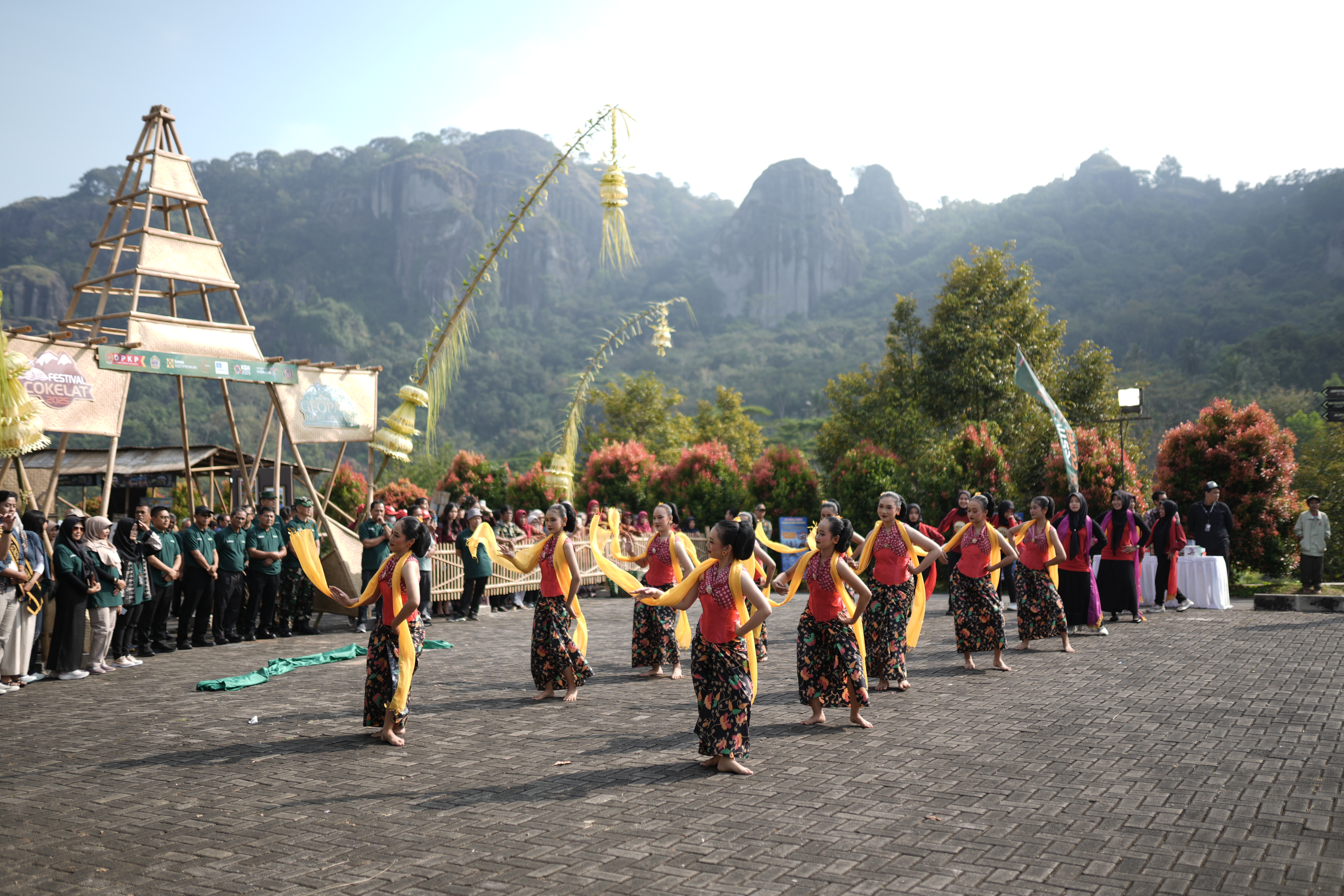
The museum’s collection consists of more than 260 traditional agricultural tools, some of which are several decades to hundreds of years old. In addition to its permanent exhibits, the museum regularly organizes activities such as farming competitions, agricultural cultural festivals like the Memedi Sawah Festival, and educational programs that invite visitors to actively participate in traditional farming practices.
Objectives and Functions of Museum of The Javanese Farmers
Museum of The Javanese Farmers serves the following objectives and functions:
Main Objectives:
- To preserve agricultural artifacts and Javanese farming traditions so they are not lost over time.
- To serve as a center for education and information on agricultural culture for younger generations and the general public.
Functions of the Museum:
- As an agricultural cultural education space that provides insights into traditional farming methods, tools, and farmers’ values.
- To strengthen appreciation for agrarian life and the hard work of farmers, which form an essential pillar of Javanese socio-cultural identity.
- To support cultural research and traditional agricultural practices as part of Indonesia’s intangible cultural heritage.
The museum plays an important role in introducing values such as honesty, hard work, tolerance, simplicity, and gratitude, values that are deeply embedded in the lives of Javanese farmers.
Museum as a Center for Education and Cultural Tourism
Museum of The Javanese Farmers is not merely a place for storing historical artifacts; it is an active educational center. Many students, university scholars, and tourists visit the museum to gain direct knowledge of traditional agricultural culture and to understand the real lives of farmers across different periods.
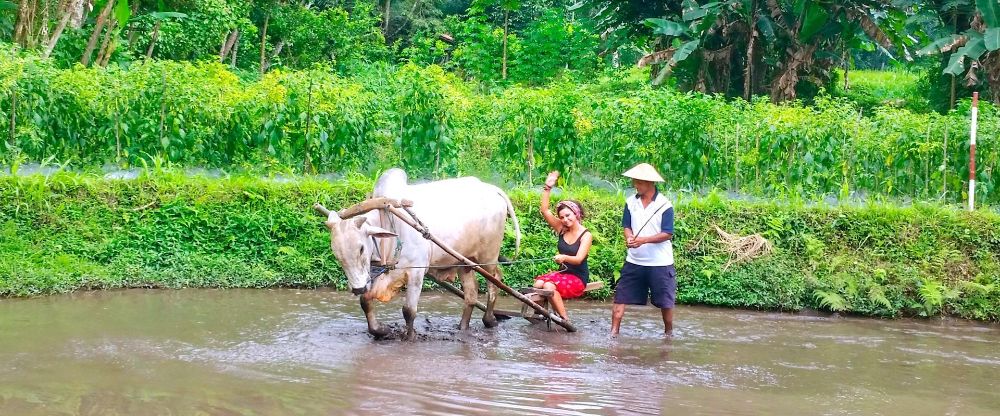
Beyond observing the collections, visitors can also try traditional games, farming tools, and outdoor activities that provide hands-on experiences of Javanese rural life.
Through these efforts, Museum of The Javanese Farmers has become an important cultural and educational destination that enriches understanding of Indonesia’s agrarian history, particularly in the Yogyakarta region.