



National Museum of Natural History Indonesia: Overview and Significance
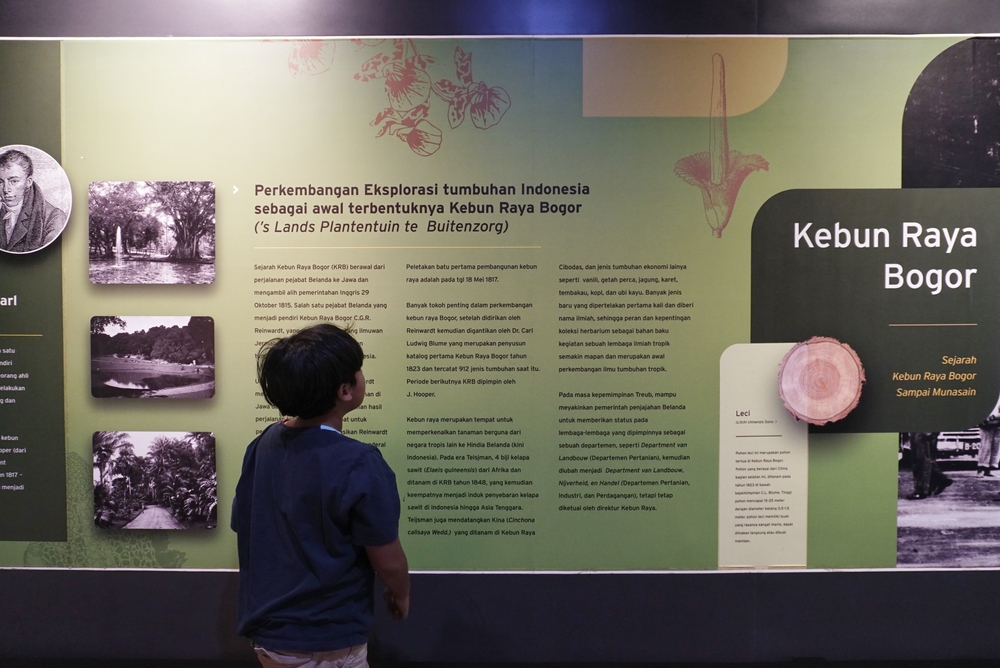
The National Museum of Natural History Indonesia, located in Bogor, West Java, is officially listed in the National Museum Registry (Pendaftaran Museum Nasional) with registration number 32.71.K.02.0129 and forms part of the Museum Indonesia network. This museum specializes in natural history, highlighting the relationships between humans, biodiversity, and culture through scientific and educational exhibits.
What Is the National Museum of Natural History Indonesia?
Also known as MUNASAIN, the museum evolved from the Indonesian Ethnobotany Museum (MEI), conceived in the early 1960s to document plant use and ethnobotanical knowledge across Indonesia. The museum was officially inaugurated on 18 May 1982 by then Minister of Research and Technology Prof. Dr. Ing. B.J. Habibie.
The museum serves as Indonesia’s primary institution for presenting natural history in an integrated way, combining botany, biogeography, geology, and local wisdom.
Type & Classification
The museum is categorized as a special museum, Type B, which indicates a focused thematic scope centered on natural history and scientific understanding.
Management
The museum is managed by the Indonesian Institute of Sciences (LIPI) via the Biology Research Center, ensuring scientific integrity in its exhibitions and educational programs.
History
The National Museum of Natural History originated from a long-term vision that began with the Indonesian Ethnobotany Museum in 1962, leading to its formal opening in 1982. Its collections steadily expanded to encompass diverse natural, cultural, and scientific knowledge.
Collections
The museum houses around 1,900–2,000 natural history and ethnobotanical artefacts that illustrate the utilization of plants and other natural resources across different communities in Indonesia. These artefacts explore traditional medicine, food, crafts, and the broader connection between humans and their environment.
The exhibits also emphasize Indonesia’s geological and biogeographical diversity, making the museum a comprehensive resource for understanding natural history in the archipelago.
Vision
The museum’s vision is to create a collective scientific memory that fosters intellectual and emotional understanding, promoting sustainable use of natural resources for national welfare.
Mission
Its mission includes:
- Serving as a source of information about natural history developments;
- Presenting research findings and current scientific data;
- Offering cultural and educational recreation;
- Enhancing public appreciation for museums;
- Improving professional museum management.
Role & Educational Function
As a hub for natural history education, the National Museum of Natural History Indonesia plays an important role in fostering public understanding of biodiversity, local wisdom, and human–environment interaction. It provides valuable learning opportunities for students, researchers, and the general public alike.