




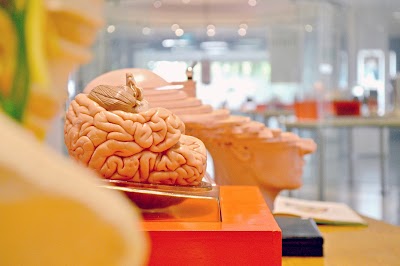
Museum Anatomi FKIK Universitas Katolik Indonesia Atma Jaya is a specialized educational museum dedicated to the study of human anatomy and medical sciences. Located in North Jakarta, Indonesia, the museum serves as an academic facility that supports medical education, research, and community engagement.
The museum plays an important role in bridging theoretical knowledge and practical understanding of the human body. Designed primarily for medical students, it is also accessible to the public as a learning space that promotes scientific literacy and health awareness.
Historical Background of Museum Anatomi FKIK Universitas Katolik Indonesia Atma Jaya
The museum was officially inaugurated on June 5, 1995, by the Chairman of the Atma Jaya Foundation, Prof. Dr. H. E. Harimurti Kridalaksana, coinciding with the university’s 35th anniversary. The inauguration was also blessed by Father F.X. Krismanto, reflecting the institution’s academic and spiritual values.
The establishment of the museum was initiated by dr. Liliana Sugiharto, MS, PAK (K), who gained inspiration from the Anatomy Museum of Katholieke Universiteit Nijmegen (KUN) in the Netherlands under the supervision of Dr. L. M. G. Geeraedts. In 2014, the museum underwent renovation and was blessed again by Archbishop Ignatius Suharyo, Chairman of the Atma Jaya Foundation’s Board of Trustees.
The Museum Anatomi FKIK Universitas Katolik Indonesia Atma Jaya is a specialized museum focusing on human anatomy education. It functions as an academic learning resource that integrates anatomical studies with biomedical and clinical sciences.
Classified as a Specialized Museum (Type B), the museum is owned by the Atma Jaya Foundation and managed by the Faculty of Medicine and Health Sciences of Universitas Katolik Indonesia Atma Jaya.
Museum Type, Management, and Collection
As a Type B specialized museum, the Museum Anatomi FKIK Universitas Katolik Indonesia Atma Jaya emphasizes educational and research functions. It is professionally managed by the Faculty of Medicine and Health Sciences to support structured medical learning.
At present, the museum has not officially registered its collection inventory. Nevertheless, it continues to function effectively as an anatomy learning facility through educational media and academic resources aligned with medical curricula.
Vision and Mission of Museum Anatomi FKIK Universitas Katolik Indonesia Atma Jaya
The vision of the museum is to become a leading anatomy museum at national and international levels, providing integrated and sustainable education on the human body, especially for medical students.
Its mission includes providing facilities for anatomy education and research integrated with biomedical and clinical sciences, as well as conducting community service related to human health education.
Educational Role and Significance
The museum plays a strategic role in medical education by enhancing students’ understanding of human anatomy through direct observation and integrated learning approaches. It also contributes to public health education by promoting scientific understanding of the human body.
Through its academic and social functions, the Museum Anatomi FKIK Universitas Katolik Indonesia Atma Jaya demonstrates the commitment of higher education institutions to advancing medical knowledge and public health awareness.
The Museum Anatomi FKIK Universitas Katolik Indonesia Atma Jaya stands as an essential educational institution supporting medical education and scientific development in Indonesia. Its role extends beyond academia, contributing to research and community health education.
In the future, the museum is expected to continue growing as a center of excellence in anatomy education, strengthening its position as a reputable learning institution with national and international recognition.