



Indonesia is widely known for its rich and diverse cultural heritage, reflected in its living traditions of music, dance, and ritual. Among these traditions, Kolintang stands out as a musical expression that blends artistry, history, and community values into a unique cultural experience.
More than a musical instrument, Kolintang represents a shared cultural identity. Its global significance was officially recognized when cultural practices and expressions linked to Kolintang were inscribed on UNESCO’s Intangible Cultural Heritage list, highlighting Indonesia’s role in safeguarding world heritage.
History and Origins of Kolintang
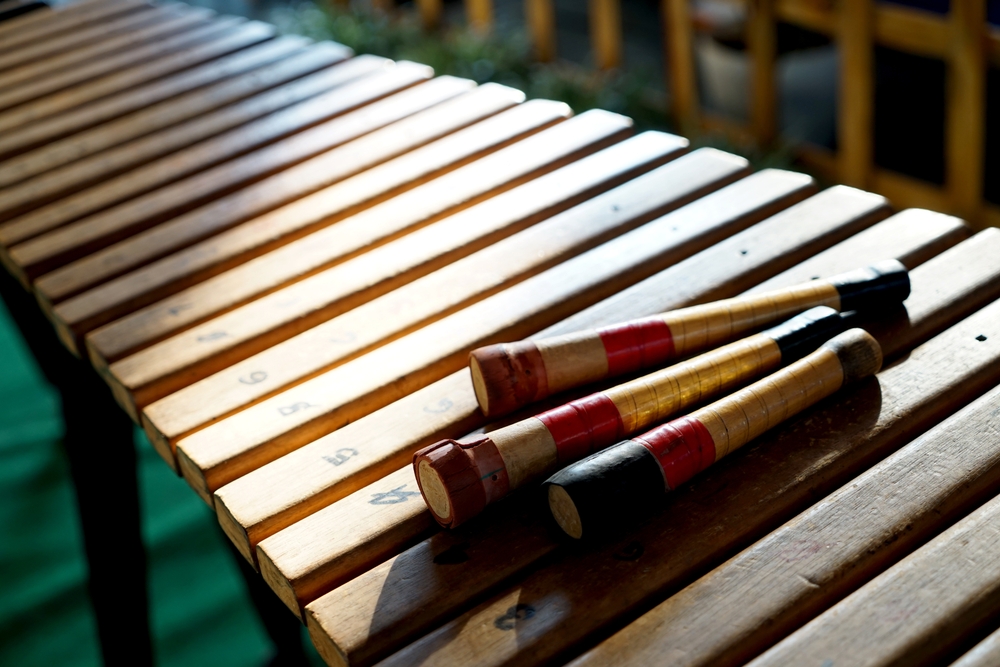
Kolintang is a wooden percussion instrument played by striking arranged wooden bars with mallets. In Indonesia, it is closely associated with North Sulawesi, particularly the Minahasa community, where it accompanies ceremonies, celebrations, and cultural performances.
Historically, Kolintang shares cultural and musical connections with balafon traditions in West Africa. This cross-cultural resonance forms the basis of its UNESCO recognition alongside Mali, Burkina Faso, and Côte d’Ivoire, emphasizing the universal language of rhythm and tradition.
Cultural Meaning and Traditional Values
Kolintang carries profound meaning as a symbol of togetherness. It is played collectively, requiring strong coordination, communication, and mutual trust among the performers. These values reflect the philosophy of Indonesian society, which places great importance on cooperation and the spirit of gotong royong.
In Indonesia, kolintang plays an important role in various traditional ceremonies and religious rituals. Its performance serves not merely as entertainment, but is imbued with philosophical, ethical, and aesthetic values that strengthen bonds among individuals from diverse backgrounds. Through the resonance of its wooden tones, kolintang expresses harmony between humans and nature, while reinforcing a sense of unity in social life.
Beyond its spiritual and social significance, kolintang is also believed to contribute to mental and physical well-being. For its performers and those who preserve the tradition, kolintang functions as a medium for dialogue and mutual understanding. Its continued presence reflects respect for cultural diversity and stands as a living symbol of the rich plurality embraced within Indonesian society, making it a form of cultural heritage that remains vibrant and relevant in the modern era.
Kolintang as a Cultural Tourism Experience
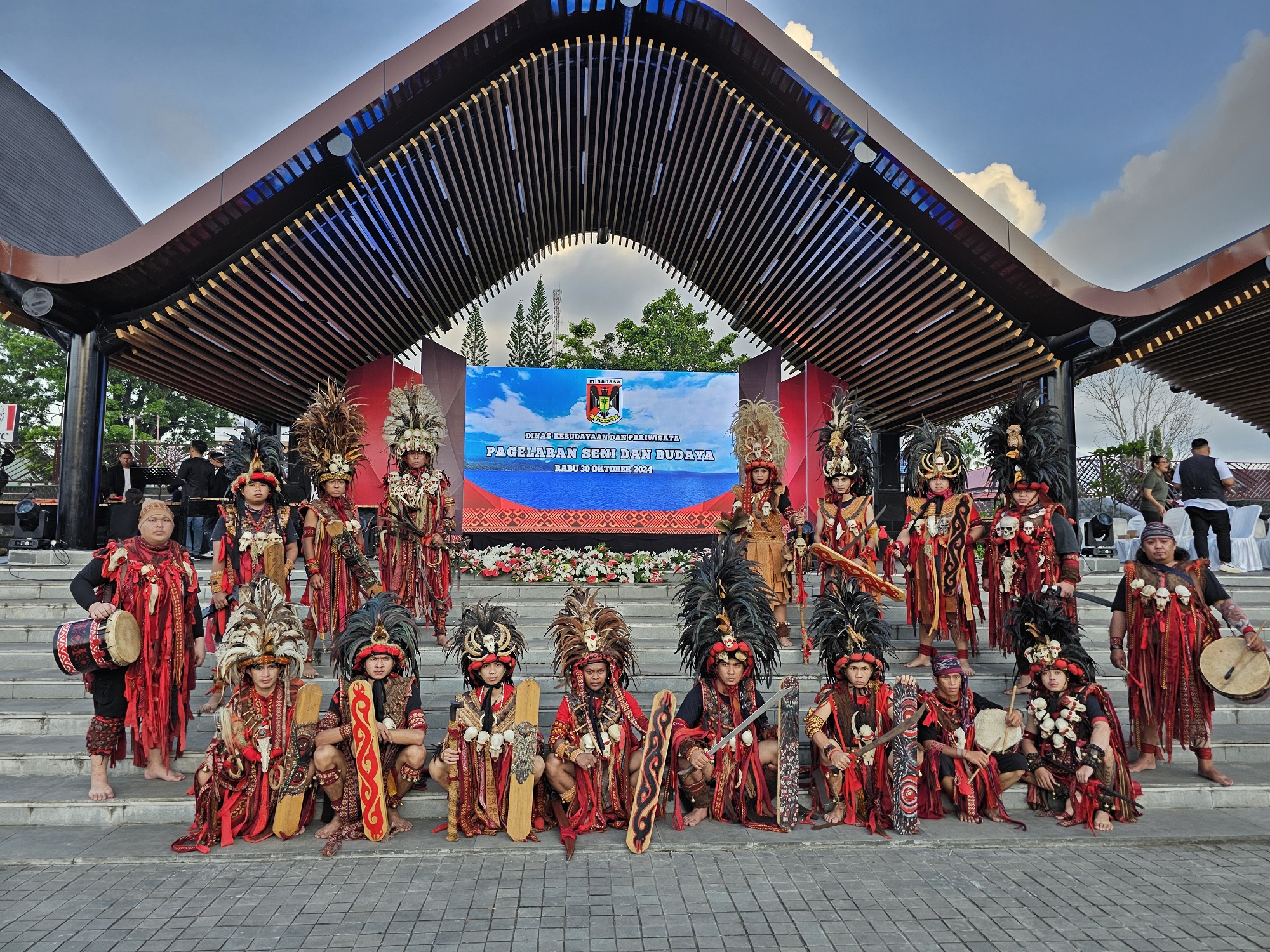
For travelers, kolintang offers an immersive cultural encounter. Performances are often featured in cultural festivals, heritage villages, and official events, providing visitors with authentic insights into local traditions.
Participating in kolintang performances allows visitors to connect deeply with Indonesia’s living heritage. By interacting directly with the artists, travelers gain an emotional and educational experience that fosters a lasting appreciation for this authentic cultural tradition.
Kolintang demonstrates how traditional music continues to thrive in modern times. Its wooden tones carry stories of identity, resilience, and shared humanity.
By preserving and promoting kolintang, Indonesia strengthens its cultural diplomacy and enriches global heritage tourism. Experiencing kolintang is not just about listening to music—it is about feeling the rhythm of a living culture.