

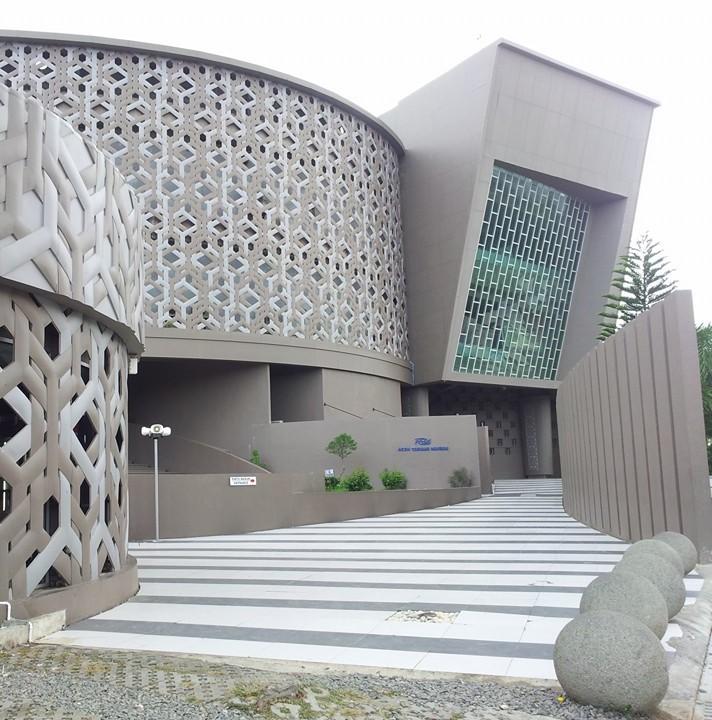
Located in the heart of Banda Aceh, Indonesia, the Aceh Tsunami Museum stands as an evocative and powerful memorial to the devastating tsunami that struck Aceh and other countries around the Indian Ocean basin on December 26, 2004. Designed not only as a place of learning and remembrance but also as an educational and disaster-preparedness center, the museum is a testament to the resilience of the Acehnese people and humanity's spirit to rebuild against all odds.
The Museum’s Design and Architecture
Opened to the public in 2009, the Aceh Tsunami Museum serves as an extraordinary blend of architecture and storytelling, embodying elements of local Acehnese culture, faith, and the narrative of the 2004 tsunami. Every aspect of its design carries profound symbolism, creating an impactful space for reflection, education, and resilience.
The museum's wave-inspired architecture immediately catches the eye, with its exterior resembling powerful ocean waves. This striking design reflects the devastating tsunami that struck the region, communicating themes of respect for nature's force and remembrance of the lives irreversibly changed by its power. Upon entering, visitors are immersed in an evocative experience known as "Tsunami Alley." This narrow, dimly lit corridor features water flowing along its walls, accompanied by the sound of rushing water, evoking the fear and chaos faced during the tsunami. The sensory experience encourages reflection, offering a somber yet meaningful connection to the tragedy.
Further grounding the museum in the region's cultural identity, traditional Acehnese motifs are intricately woven throughout the building’s design. These patterns, inspired by Acehnese art and culture, serve as a celebration of the area's heritage and resilience, honoring a community that continues to rebuild and thrive. Adding practicality to its symbolic structure, the museum also features an ‘Escape Hill’ rooftop design. This thoughtfully crafted space serves as a safe emergency shelter, capable of providing refuge for up to 3,000 people in the event of future tsunamis.
More than an architectural marvel, the Aceh Tsunami Museum stands as a powerful multifaceted space. It functions as a memorial to honor those affected by the disaster, a symbol of resilience and survival, and a practical facility for disaster preparedness and education. By merging symbolism, culture, and practicality, the museum becomes not only a tribute but also a reminder of the strength and adaptability of the human spirit.
What to Expect in the Museum
The Aceh Tsunami Museum offers visitors an immersive and deeply moving experience, blending exhibits, art, and education to narrate the story of the 2004 tsunami. Through its thoughtfully designed sections, the museum takes visitors on a journey from the tragedy's devastating impact to the resilience and recovery of those who survived, while fostering awareness about disaster preparedness.
At the heart of the museum lies the poignant Hall of Remembrance, a somber, circular chamber that honors the lives lost in the disaster. The walls are engraved with the names of victims, and as visitors walk through the dimly lit space, prayers and emotional sounds echo softly in the background. This atmosphere invites a moment of silence and reflection, creating a powerful tribute to the deceased.
In contrast, the Disaster Simulation Zone provides an engaging educational experience, focusing on the science behind tsunamis. Through interactive displays, visitors can learn how the 2004 event unfolded—beginning with the undersea earthquake, followed by the propagation of massive waves, and concluding with the global impact of the catastrophe. This section not only explains the mechanics of tsunamis but also highlights advancements in disaster response and preparedness since the tragedy.
A nearby gallery hosts the museum’s Photographic Exhibits, featuring an evocative collection of images that document the overwhelming destruction caused by the tsunami. The photographs depict displaced families, flattened communities, and the monumental efforts of humanitarian aid, offering a vivid visual representation of the disaster’s magnitude and its human toll.
Adding a deeply personal touch, the Survivor Stories section draws visitors into the emotional realities of the event through video and written testimonies. These accounts share moments of courage, loss, and resilience, providing an intimate look into the lives of those who endured the tragedy. This connection brings the narrative of the tsunami from beyond the numbers and facts, instilling a profound sense of empathy and understanding.
As part of its mission to educate and prepare, the museum also includes a Tsunami Education and Disaster Preparedness area. This section shares practical advice for surviving natural disasters, showcasing maps of tsunami-prone regions, tips for emergency planning, and demonstrations of the new warning systems set in place after the 2004 event. It aims to arm visitors with knowledge while promoting awareness of environmental vulnerabilities.
Finally, visitors can find solace in The Prayer Well, a serene space designed to symbolize hope and remembrance. Known as "The Light of God," the well’s circular walls are inscribed with the names of victims, while natural light cascades gently from above, creating a calming atmosphere. It serves as a place of quiet reflection, honoring those who perished and representing a beacon of healing and renewal.
By combining poignant memorials, engaging educational displays, and artistic storytelling, the Aceh Tsunami Museum offers a multifaceted experience. It is a space for remembering those who were lost, honoring the resilience of survivors, and fostering knowledge to help prevent or mitigate the devastation of future disasters.
The Role of the Aceh Tsunami Museum
The Aceh Tsunami Museum is far more than a memorial—it is a multifaceted space that weaves together remembrance, education, resilience, and renewal. Its purpose extends beyond honoring the past, serving as a cornerstone for recovery and a beacon of hope for the future.
At its heart, the museum provides a sacred space for commemoration and reflection. For survivors and the families of victims, it is a place to mourn and pay tribute to those whose lives were lost in the devastating 2004 tsunami. The atmosphere of solemnity and respect offers visitors a chance to connect emotionally with the tragedy, allowing them to reflect on both its impact and the fragility of life.
Equally important, the museum takes on the vital role of education and disaster preparedness, ensuring that the lessons from the past inform and strengthen the present. By offering information about the science of tsunamis and disaster mitigation strategies, the museum fosters awareness among both local and international visitors. This educational mission empowers communities with the knowledge and tools to better prepare for future natural disasters, making it an invaluable resource for building resilience in disaster-prone areas.
For the people of Aceh, the museum also stands as a powerful symbol of strength and recovery, reflecting their ability to overcome unimaginable loss and rebuild their lives. While it honors the pain of the past, it equally embodies hope, demonstrating the courage and determination of a community that continues to rise above adversity.
Furthermore, the museum has become a significant tourist destination, welcoming visitors from around the world who wish to understand and honor the events of 2004. This influx of tourism helps to support Aceh’s local economy, contributing to the region’s ongoing recovery and growth. In this way, the museum not only shares its story with a global audience but also ensures that Aceh remains on a path of renewal and development.
Through its multifaceted purpose, the Aceh Tsunami Museum stands as a unique institution that unites remembrance, education, and resurgence. It is a space where the past is honored, the future is prepared for, and the resilience of a community is celebrated, leaving a lasting impact on those who visit.
The Human Spirit Amidst Tragedy
The Aceh Tsunami Museum beautifully tells the story of survival and the indomitable human spirit. In the face of unimaginable loss, the Acehnese people found ways to honor the past, heal for the future, and develop preparedness efforts to minimize future risks.
The museum is a poignant reminder to humanity of the power of nature, the value of life, and the strength in unity when facing adversity. By visiting, people from all walks of life gain a deeper appreciation for the resilience of those affected by the tsunami and the efforts to rebuild in its aftermath.
Visiting the Aceh Tsunami Museum
If you plan to visit Banda Aceh, the Aceh Tsunami Museum is an essential stop. Here’s some practical information for your visit:
- Location: Sultan Iskandar Muda Street, Banda Aceh, Aceh, Indonesia.
- Opening Hours: Typically open from 9:00 AM to 4:00 PM (closed on Fridays).
- Entrance Fee: Free for local and international visitors (though donations for maintenance are appreciated).
- Best Time to Visit: Morning hours are ideal to avoid crowds and to fully reflect on the exhibits.