





Papuan Sweet Potato, locally known as Petatas (Ipomoea batatas), is far more than a staple food in the highlands of Papua. Particularly in the region now designated as Central Papua Province, covering Mimika, Nabire, Paniai, Intan Jaya, Deiyai, and Dogiyai Regencies.
Petatas is the primary axis of life, replacing rice and corn, which are difficult to cultivate at high altitudes. Petatas is not merely a carbohydrate source; it is the core of traditional rituals, the customary bartering system, and the determinant of family food security.
Identity and Diversity of Petatas
Papua is renowned as one of the world’s largest centers of sweet potato genetic diversity. Unlike sweet potatoes in other regions which tend to be homogeneous, Central Papua hosts hundreds of Petatas varieties, each with distinct characteristics in terms of color, texture, and nutritional content.
Some Petatas varieties found there include:
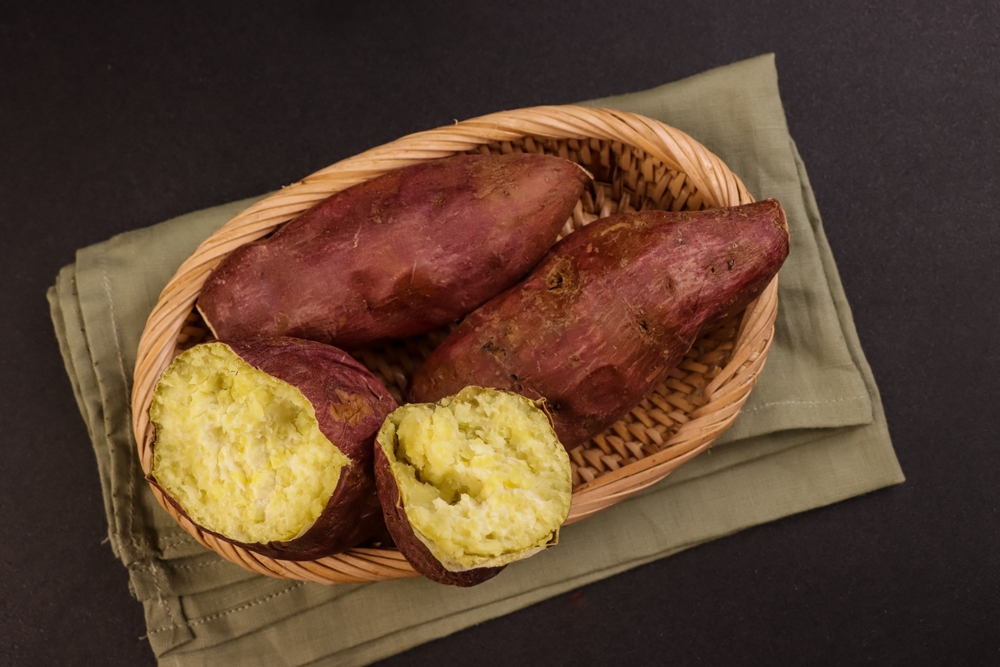
- Purple/Red Varieties: Rich in antioxidants (anthocyanins) and often consumed by baking or roasting.
- Yellow/Orange Varieties: High in beta-carotene, important for eye health.
- White/Cream Varieties: Generally have a more neutral flavor and starchy texture, frequently used as animal feed (pigs) as well as for human consumption.
This diversity underscores how local communities have developed and preserved traditional knowledge about this food crop for thousands of years, adapting it to the unique conditions of the mountainous soil.
Central Role in Culture and Custom
In Central Papua, Petatas holds a profound role that extends far beyond its nutritional value:
- Economy and Barter: Petatas functions as a form of currency in the traditional barter system. An abundant harvest can be used to purchase other goods or as an offering in customary ceremonies.
- Customary Ritual (Bakar Batu): Petatas is a mandatory component in the Bakar Batu (Stone Burning) ceremony—a communal cooking ritual using heated stones. Thousands of sweet potatoes, along with pork, are cooked together as a symbol of gratitude, peace, and solidarity. Without Petatas, the Bakar Batu ceremony is considered invalid.
- Food Security: Petatas cultivation requires little to no chemical pesticides or fertilizers, is highly adaptive to the cold mountain climate, and can be harvested year-round. This ensures a stable food supply for the people of the Central Highlands.
Cultivation and Modern Challenges
The Petatas cultivation system is still carried out traditionally, where fields (kebun) are opened using simple tools. The gardens are generally managed by women and are often located on hill slopes or valleys.
However, in the modern era, Petatas cultivation faces several challenges:
- Climate Change: Increased temperatures and changing rainfall patterns are beginning to threaten harvest stability in some areas.
- Pest Attacks: The sweet potato weevil, particularly Cylas spp, poses a serious threat, significantly reducing yields.
- Need for Innovation: There is a need to introduce superior varieties that are pest-resistant and yield larger harvests without diminishing the local genetic diversity.
Petatas is a living heritage that must be preserved. Efforts to promote Petatas as a modern functional food—for example, in the form of flour, cakes, or chips—are expected to enhance the economic value of this commodity and ensure the continuation of its culture in Central Papua Province.