


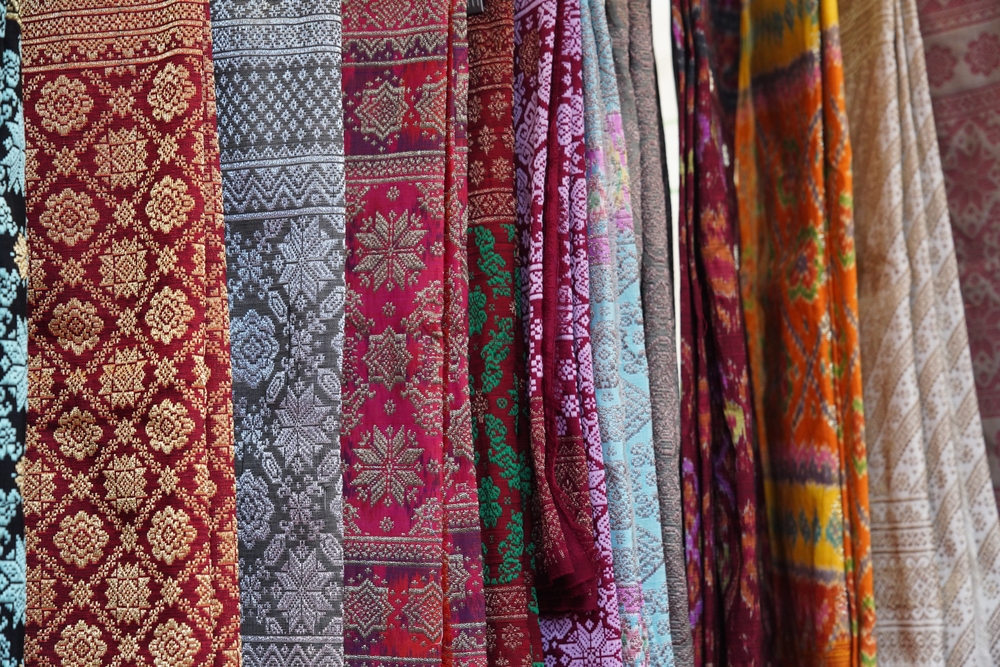
Behind the beauty of traditional textiles found across the Indonesian archipelago lies a layered story of history, social structure, and deeply rooted values. Each motif and color is never merely decorative, but shaped by philosophy, belief systems, and generations of cultural continuity.
Traditional textiles are powerful symbols of Indonesia’s cultural identity, representing both diversity and unity. Discover seven iconic Indonesian traditional fabrics that continue to thrive today, each carrying its own historical depth and social significance.
7 Traditional Indonesian Textiles
The diversity of Indonesia’s traditional fabrics reflects the vast cultural landscape of the nation. These seven textiles are not only visually captivating, but also rich in historical meaning and social function.
1. Ulos Batak
Ulos originates from North Sumatra and plays a central role in Batak life. In the tradition of mangulosi, a ceremonial act within Batak culture, the cloth is presented as a symbol of blessing, warmth, and goodwill from elders to younger generations.
Dominated by red, black, and white tones, Ulos represents strength, courage, and purity. To this day, it remains an essential element in weddings, birth ceremonies, and other customary rituals.
2. Songket Minangkabau
Songket Minangkabau from West Sumatra is regarded as one of Indonesia’s most distinguished traditional textiles. Its intricate gold-thread weaving is not merely ornamental but symbolizes prosperity, honor, and familial dignity.
Many of its motifs are inspired by nature and the Minangkabau philosophy alam takambang jadi guru, meaning “nature as the ultimate teacher.” Historically worn by nobility and during important ceremonies, Songket Minangkabau continues to be the primary attire for traditional weddings, the batagak pangulu ceremony, and other significant cultural events.
3. Songket Palembang
Songket Palembang flourished during the era of the Palembang Darussalam Sultanate and remains a vital part of South Sumatra’s cultural identity. Woven with gold or silver threads, the fabric reflects the grandeur and prosperity of Palembang’s past.
It is commonly worn in traditional bridal costumes such as Aesan Gede and Aesan Paksangko. With its refined detailing and regal aesthetic, Songket Palembang stands as one of Indonesia’s most historically significant and artistically sophisticated textiles.
4. Lurik Yogyakarta
Lurik from Yogyakarta is known for its understated striped patterns. The word lurik derives from the Javanese term larik, meaning “line,” referencing its signature linear motif. Though minimalist in appearance, each stripe carries philosophical meaning tied to balance, humility, and resilience.
Since the era of the Mataram Kingdom, Lurik has been worn by various social groups, including palace attendants. Certain patterns once had specific rules of usage. Today, Lurik continues to evolve into contemporary fashion while maintaining its traditional essence.
5. Sasirangan Banjar
Sasirangan originates from South Kalimantan and forms an integral part of Banjar culture. The textile is created using a hand-stitch resist technique prior to dyeing, resulting in distinctive patterns that are rarely identical from one piece to another.
Traditionally believed to hold symbolic and healing properties, Sasirangan was once used in ritual practices. Today, it has transitioned into both formal and casual attire while preserving the cultural heritage embedded within this Indonesian textile tradition.
6. Tenun Lombok
Tenun Lombok is a cultural legacy of the Sasak people in West Nusa Tenggara, particularly in Sukarara Village. The ability to weave is considered a symbol of womanhood and social identity, passed down through generations.
Its motifs are inspired by nature, daily life, and Sasak cultural symbols. The time-intensive process—from hand-spinning threads to manual weaving—adds both economic and cultural value, making this textile highly respected and cherished.
7. Endek Bali
Endek Bali is a traditional ikat textile that has flourished since the 19th century. The weaving process involves tying and dyeing the weft threads before they are woven, producing intricate and distinctive motifs.
Designs range from geometric patterns to floral and fauna-inspired ornaments influenced by Balinese Hindu spirituality. Endek is widely worn in religious ceremonies, official gatherings, and even workplace uniforms, demonstrating how traditional textiles remain relevant in modern life.
Related Article: 5 Traditional Indonesian Fabrics and the Stories behind Them
The Cultural Functions of Indonesian Traditional Textiles
Beyond their aesthetic appeal, traditional textiles serve meaningful roles in social and cultural life. Each piece carries layered symbolism and purpose that continues to endure.
- Cultural Identity: Traditional textiles symbolize the identity of specific regions or ethnic groups, reflecting history and shared values.
- Ceremonies and Rituals: Weddings, birth celebrations, and religious rituals frequently incorporate traditional fabrics as sacred elements of the occasion.
- Symbol of Honor: Presenting traditional cloth is often regarded as a gesture of respect in both formal and familial contexts.
- Artistic Expression: The intricate processes of weaving and gold-thread embroidery represent refined traditional artistry passed down through generations.
- Support for Local Economies: Textile production sustains local artisans and contributes to regional economic resilience.
- Cultural Heritage: As treasured heirlooms, these textiles preserve stories and philosophies that define Indonesia’s collective identity.
Tips for Buying Authentic Traditional Textiles
Choosing traditional Indonesian textiles requires more than aesthetic preference. Understanding craftsmanship and authenticity allows for deeper appreciation of the artistry involved.
How to identify quality textiles:
- Examine the density and weaving technique under natural light.
- Check the reverse side to ensure pattern consistency.
- Feel the texture; authentic handwoven textiles are typically heavier and more textured.
- Test colorfastness to ensure dyes do not bleed easily.
- Opt for natural fibers such as cotton or silk.
- Ask about the artisan, origin, and meaning behind the motifs.
- Be cautious of prices that seem unusually low for handwoven pieces.
Recommended places to purchase traditional textiles:
- Ubud Art Market, Bali
- 16 Ilir Market, Palembang
- Sukarara Village, Lombok
- Pajak Central (Pasar Beruang), Medan
Related Article: Beautiful Gili Islands of Sekotong Barat Village: A Marine Paradise in West Lombok
By understanding the stories woven into each textile, you are not simply wearing fabric, you are carrying forward a living cultural legacy.
Plan your cultural journey to weaving centers in Bali or Lombok with AI Plan Your Trip to create a personalized itinerary tailored to your interests and schedule. If you would like quick recommendations on traditional markets or artisan villages to explore Indonesian textiles more deeply, MaiA is ready to assist with practical insights for your journey.