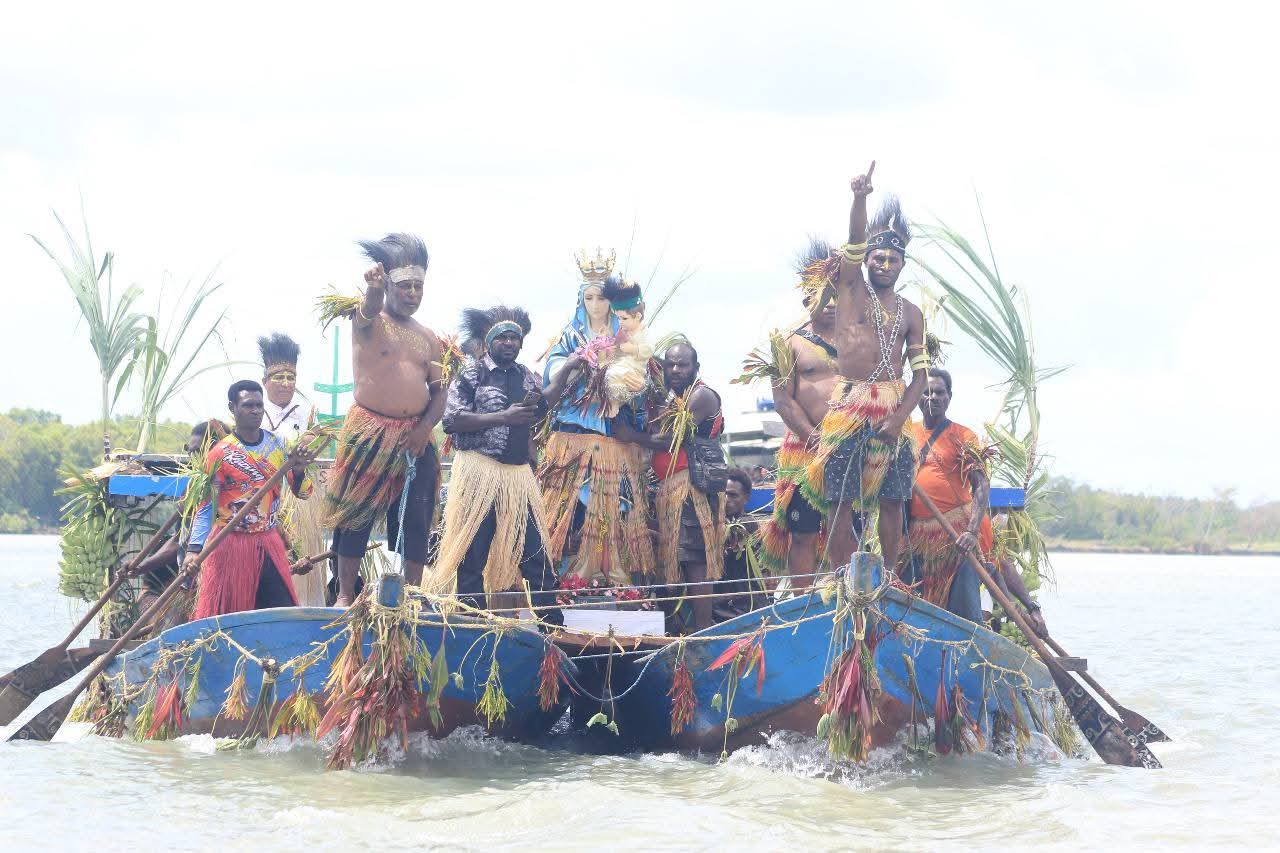





The Tanam Sasi ceremony is one of the sacred traditions practiced by the Marind-Anim tribe in Papua, especially in the region of Merauke in South Papua. This ritual is closely connected to funeral traditions and serves as a symbol of respect for the deceased while marking the family’s mourning period.
More than just a ceremonial practice, Tanam Sasi reflects the deep spiritual beliefs of the Marind people about life, death, and their connection with ancestors.
What Is the Tanam Sasi Ceremony?
The Tanam Sasi ceremony is a traditional funeral ritual performed by the Marind community in Papua. During this ceremony, a sasi pole is planted as a symbolic marker of mourning and respect for the person who has passed away.
This pole is usually planted 40 days after the death of a family member. It stands as a reminder that the family is still in a period of mourning and honoring the spirit of the deceased.
After a certain period of time, the pole will be removed through another ceremonial ritual. This moment symbolizes the release of the spirit and the end of the family’s mourning period.
History and Origins of the Tanam Sasi Ceremony
The Tanam Sasi tradition has been practiced for generations by the Marind-Anim people, who inhabit the southern plains of Papua. For the Marind community, the ritual is part of a cultural system that connects humans, nature, and ancestral spirits.
Historically, this ceremony served as a spiritual way to ensure that the spirit of the deceased could return peacefully to the ancestral realm. The ritual also strengthens family bonds and community solidarity during the mourning period.
Even though many members of the Marind community today have embraced modern religions such as Catholicism, the Tanam Sasi ceremony continues to be preserved as an important cultural identity.
Related Article: Honai Traditional House in South Papua
The Process of the Tanam Sasi Ceremony
The ceremony usually begins around 40 days after a person passes away. During this stage, community members gather to plant the sasi pole, marking the beginning of the mourning ritual.
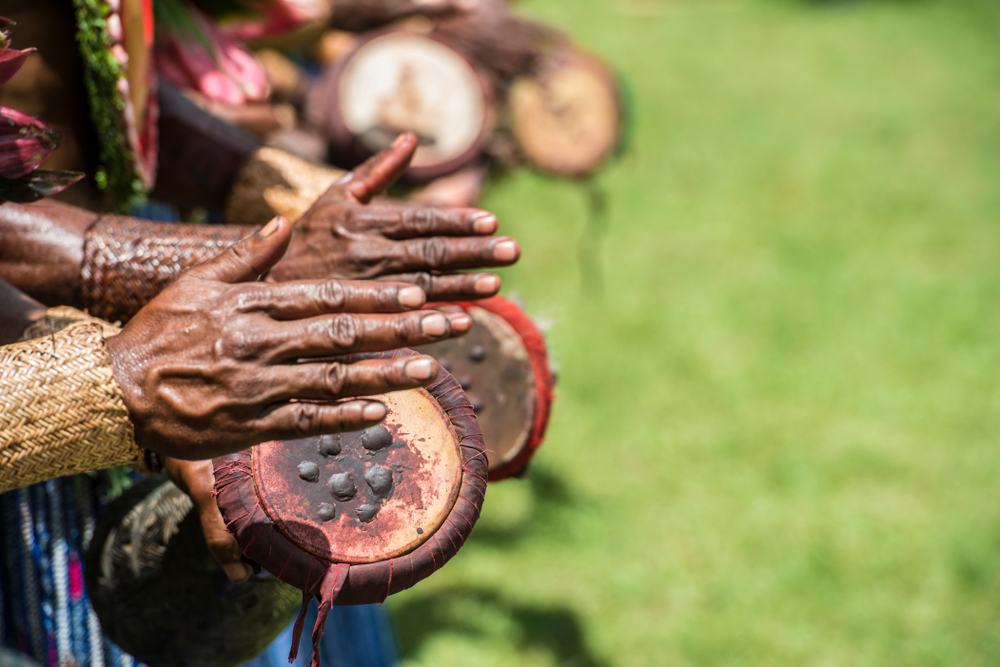
The pole often features traditional carvings or symbolic patterns that represent ancestral spirits and the connection between humans and nature. The planting of the pole may also be accompanied by cultural performances such as the Gatsi dance and traditional music played using the Tifa drum.
The pole remains in place for a long period. According to Marind tradition, the pole is usually removed after 1,000 days, symbolizing the final stage of mourning and the spiritual release of the deceased.
Things to Keep in Mind if You Witness the Tanam Sasi Ceremony
The Tanam Sasi ceremony is considered sacred by the Marind community. If you ever have the opportunity to witness this cultural ritual, there are several things you should keep in mind.
- Respect Local Customs and Traditions
The ceremony holds deep spiritual meaning for the community, so it is important to follow the guidance of local elders or community leaders.
- Ask Permission Before Taking Photos
Some parts of the ritual may be considered sacred. Always ask for permission before taking photographs or recording the ceremony.
- Wear Respectful Clothing
Since the ceremony is related to mourning, wearing modest clothing is a way to show respect for the family and community.
- Listen to Local Guides or Community Members
Local guides can help explain the meaning behind the ceremony and ensure that you follow the appropriate cultural etiquette.
Tanam Sasi reminds you how indigenous Papuan communities maintain a strong connection with their ancestors, nature, and their community. This ritual is not only part of a funeral tradition but also a symbol of respect and togetherness within the society.
If you would like to learn more about traditions like this, start planning your journey with AI Plan your Trip and get ready to explore the cultural richness of Papua.
During your trip, you can also use MaiA, your smart travel assistant that helps you discover destination ideas, travel tips, and inspiring experiences while exploring Papua and its unique cultural heritage.