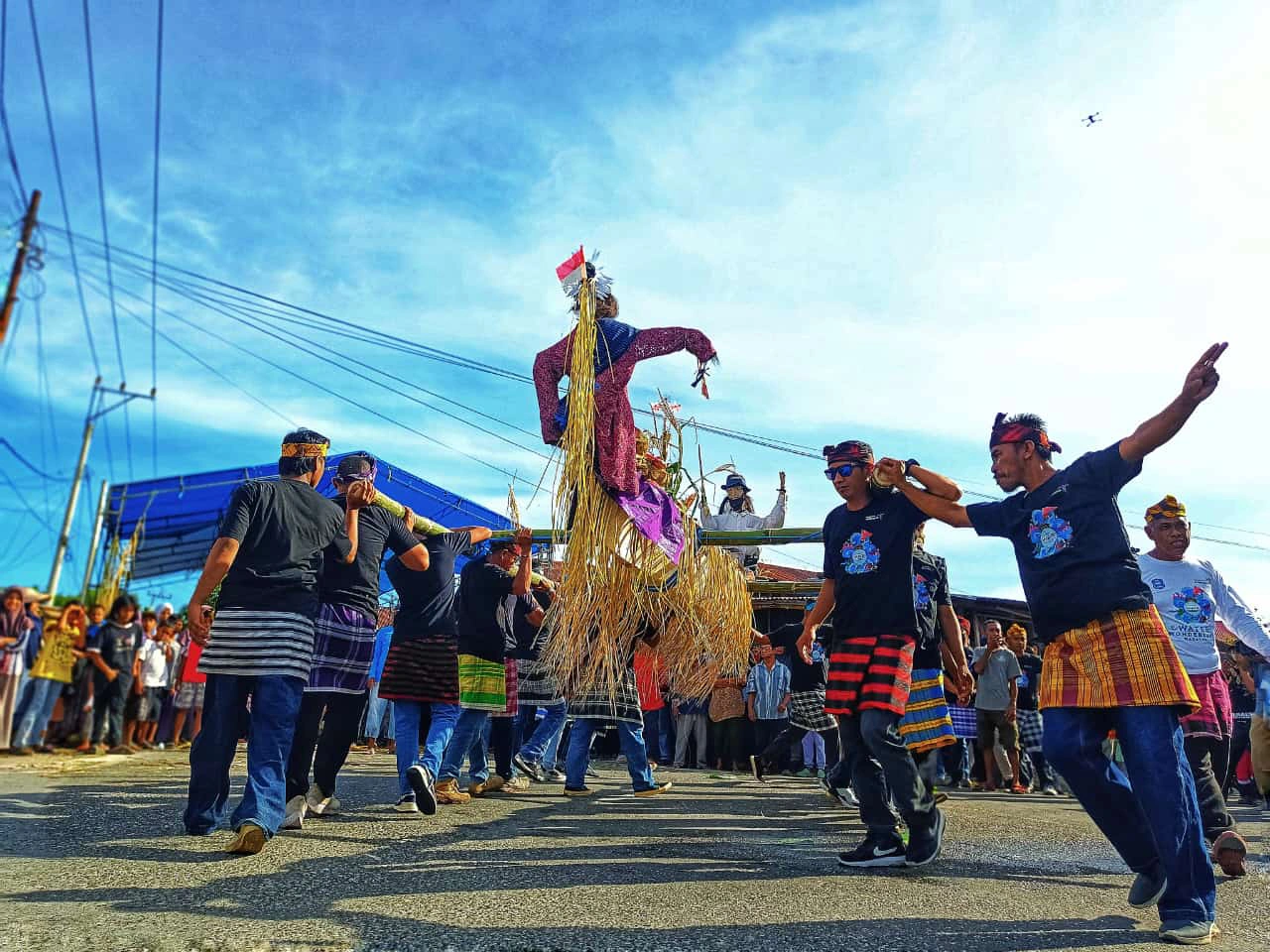



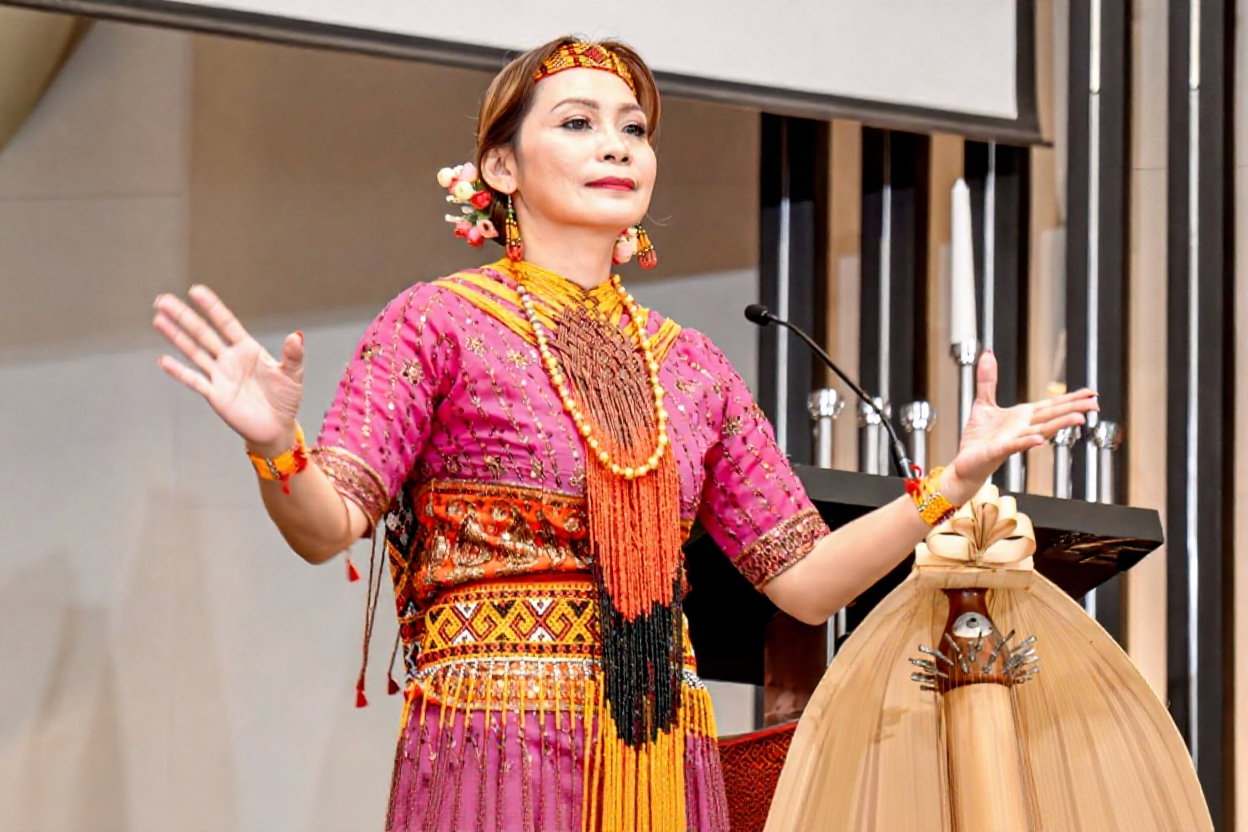
Lariangi is a traditional dance originating from Southeast Sulawesi. This dance holds strong cultural values and is frequently performed during traditional ceremonies and local community celebrations. Lariangi represents the expression of the local community's culture and way of life through dynamic movements and distinctive accompanying music.
Distinctive Features
The movements are dynamic and lively, reflecting community spirit and togetherness. The dance is characterized by sitting and circular movements while waving a lenso or handfan.
The dance’s climax occurs at the end with a movement called nyibing.
Nyibing involves two male dancers performing around two female dancers while singing traditional songs such as Iya Maluhu and Ratanjo. These two songs are very popular among Lariangi enthusiasts.
Costumes
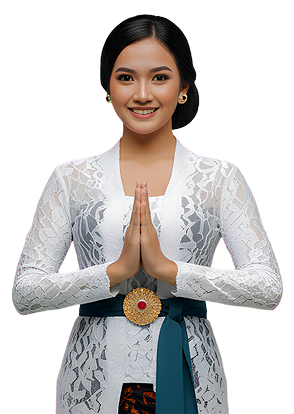
- Traditional clothing in bright colors, symbolizing the spirit and friendliness of the local community.
- Traditional accessories such as bracelets, sashes, and headdresses, which serve as embellishments to enhance the uniqueness of the costumes.
- The costumes are designed to allow the dancers freedom of movement for the performance.
Musical Accompaniment
The music that accompanies Lariangi typically includes traditional instruments such as Gong, Kendang (a type of drum) and Tambur
These instruments create a distinctive and lively rhythm that complements the dance movements, adding an atmosphere of joy and enthusiasm. The music invites both dancers and spectators to experience the uniqueness of the tradition.
Philosophical Meaning
- Representing the spirit of unity and togetherness.
- Serving as an educational tool that transmits the philosophical values of Southeast Sulawesi’s society to younger generations.
Functions of Lariangi in Southeast Sulawesi Society
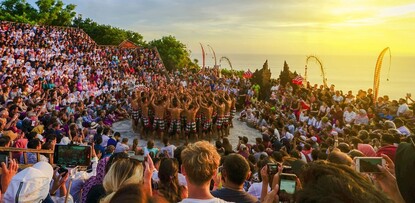
- As a source of entertainment during traditional ceremonies and community celebrations.
- Building social relationships and strengthening bonds among community members through performances.
- As a medium for transmitting cultural values and philosophy to younger generations to ensure they are preserved for the future.
- Used in rituals and thanksgiving ceremonies as a form of expressing gratitude for blessings or as a prayer to the Almighty.
The Uniqueness of Lariangi
The uniqness of Lariangi lies in its harmonious and dynamic movements, brightly colored costumes and the distinctive traditional music that accompanies the performance.
The dance serves not only as a performance but also as a reflection of the philosophy, spirit, and traditions of the Southeast Sulawesi community. Lariangi is a symbol of pride and local cultural identity that deserves preservation and appreciation.