


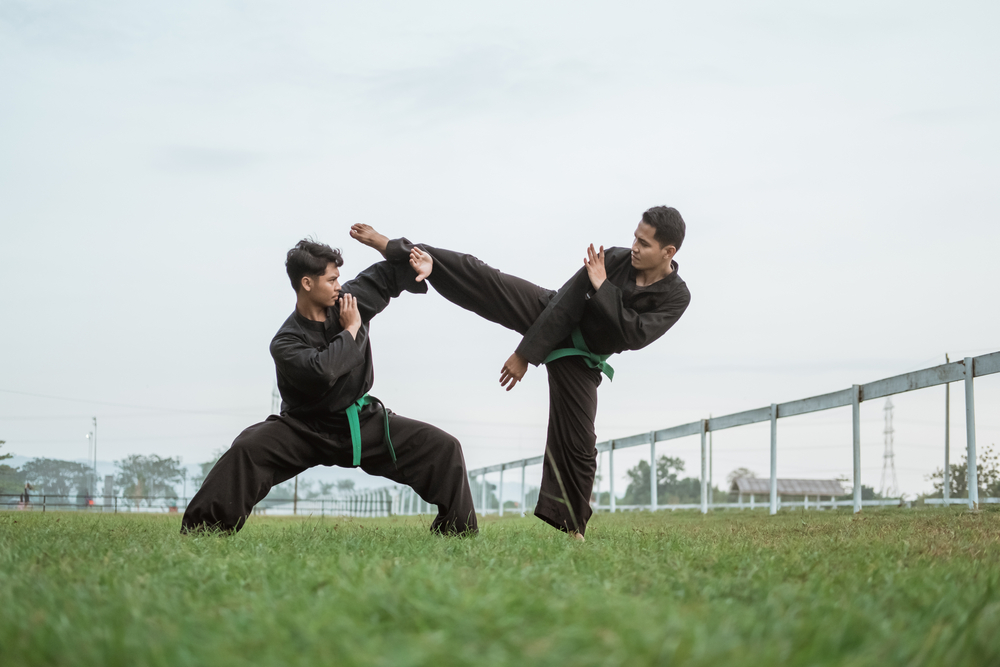
Pencak Silat is a traditional martial art rooted in the cultural heritage of the Indonesian archipelago and represents an important part of Indonesia’s living traditions. In 2019, Pencak Silat was officially inscribed by UNESCO on the Representative List of the Intangible Cultural Heritage of Humanity, recognizing its outstanding cultural value on a global scale.
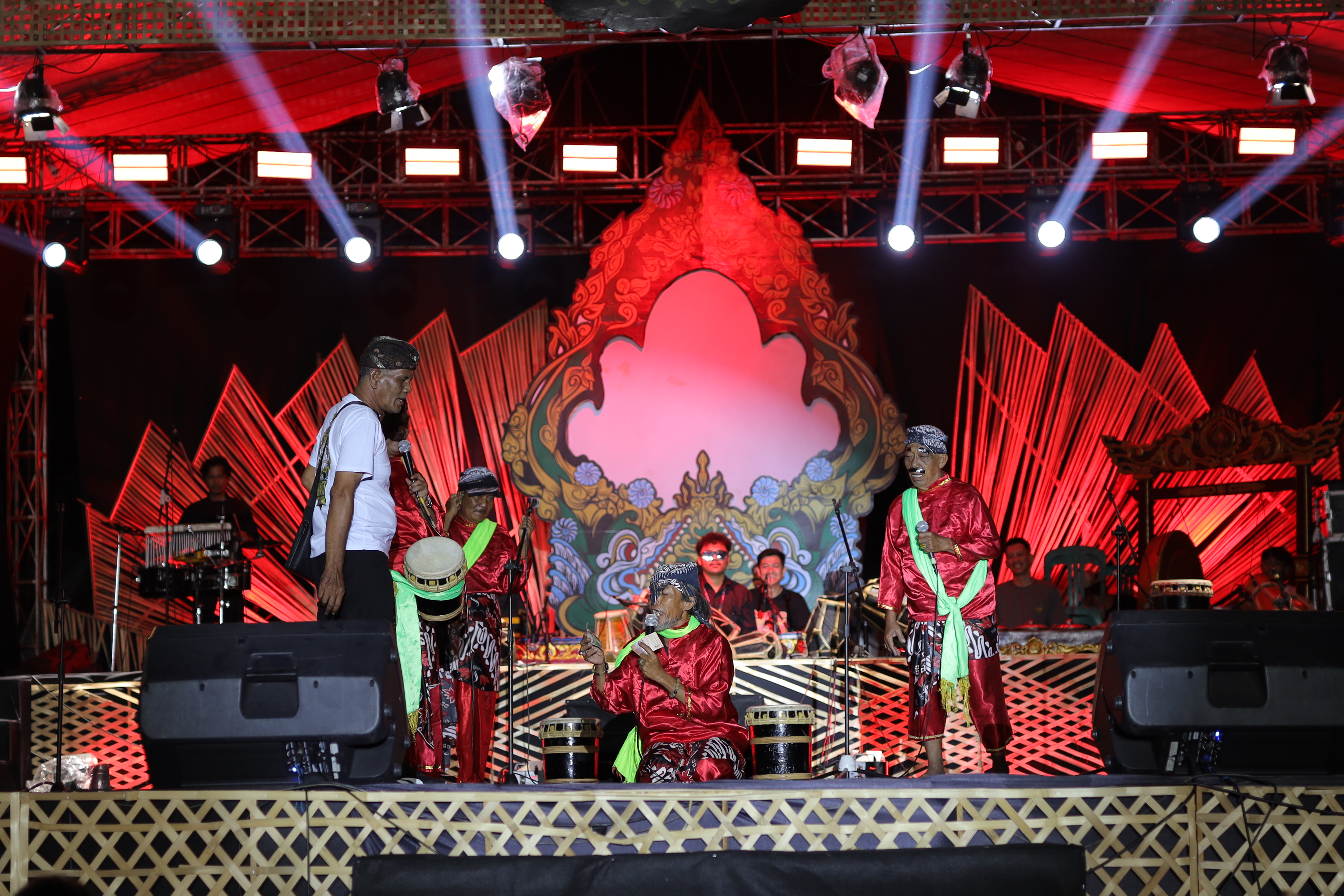
Pencak Silat is not merely a martial sport. It encompasses mental and spiritual discipline, self-defense, and artistic expression. Its movements and styles are influenced by various art forms, creating harmony between the human body and the rhythms of traditional music that often accompany performances.
Within this tradition, each region in Indonesia has its own terminology, techniques, musical accompaniment, costumes, and traditional equipment. As a living cultural practice, Pencak Silat also strengthens social bonds, maintains community values, and serves as a form of cultural entertainment during traditional ceremonies and festive celebrations across the archipelago.
The Appeal of Pencak Silat: More Than a Martial Art
Pencak Silat combines physical movement, emotion, and musical rhythm into a unified expression, setting it apart from other martial arts. In Indonesian society, it is recognized not only as a method of self-defense but also as a cultural expression rich in life values, philosophy, and spiritual connections with God, fellow human beings, and nature.
Core values such as discipline, honor, mutual respect, and a commitment to peace are instilled from the very beginning of training. For this reason, Pencak Silat does not merely develop physical strength, but also shapes strong character and a wise, resilient mindset.
The Development of Pencak Silat in Indonesia
Over time, Pencak Silat has continued to grow and gain recognition both nationally and internationally. Official competitions held at regional and global events have increased interest among younger generations to learn and practice this traditional art.
The participation of Pencak Silat athletes in international competitions, such as the Asian Games and world championships, has helped introduce this cultural heritage to a wider international audience and attract attention from the global martial arts community.
At the local level, Pencak Silat is taught in traditional schools known as perguruan or pedepokan, as well as through extracurricular programs in schools. Traditional teaching methods emphasize moral values and ethics, while techniques are adapted to suit different age groups and skill levels.
Pencak Silat for Cultural Preservation and Tourism
Pencak Silat communities across Indonesia play a vital role in ensuring the continuity of this tradition. Through festivals, performances, and cultural events, Pencak Silat remains alive and relevant amid social and cultural change.
For travelers, especially those interested in heritage tourism, Pencak Silat offers an authentic cultural experience that can be encountered through:
- Traditional Pencak Silat performances at cultural festivals and customary ceremonies
- Demonstrations and training sessions at local pedepokan with experienced practitioners
- Community events and cultural competitions showcasing diverse styles and schools of Pencak Silat
Exploring Pencak Silat in its original cultural setting allows travelers to witness how this tradition forms an integral part of the social and spiritual life of local communities, far beyond a typical tourist attraction.
UNESCO’s recognition of Pencak Silat affirms its position as a cultural heritage of universal significance, reflecting values of humanity, brotherhood, and respect for tradition. For travelers, whether cultural enthusiasts, sports lovers, or art admirers, Pencak Silat is an essential part of the cultural experience when visiting Indonesia.