




Jakarta is often recognized as a busy and modern metropolitan city. Yet behind its glittering skyscrapers and crowded streets, Betawi culture continues to thrive as an essential part of the city’s identity.
Betawi culture is not merely about old traditions. It represents a way of life, strong communal values, and artistic expressions that continue to evolve. Understanding this culture means discovering a warmer, story-filled, and meaningful side of Jakarta.
The History of Betawi
The Betawi people emerged from a long process of cultural interaction in Batavia between the 17th and 19th centuries. At that time, the city became a major trading hub where local communities met migrants from Chinese, Arab, Indian, Malay, and European backgrounds. These interactions over centuries shaped a distinct community with a unique identity.
This cultural blend can be seen in everyday language, traditional clothing, wedding customs, and performing arts. The Betawi language, for instance, absorbed vocabulary from Malay, Arabic, and Chinese, eventually forming its own recognizable dialect.
The name “Betawi” itself derives from Batavia, Jakarta’s colonial-era name. Over time, the Betawi people developed into an ethnic group with strong customs, value systems, and cultural heritage that remain deeply rooted in Jakarta’s history.
Values and Philosophy in Betawi Culture
One of the defining strengths of Betawi culture lies in its strong sense of family and togetherness. Gatherings during celebrations, weddings, and religious events serve as important moments to strengthen social bonds within the community.
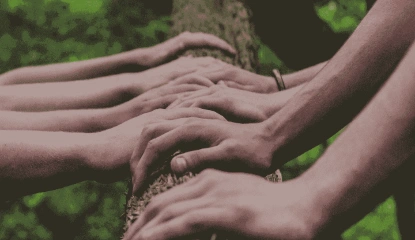
The spirit of mutual cooperation, or gotong royong, is also central to daily life. Helping one another and maintaining harmony within the neighborhood reflect a simple yet meaningful philosophy of living.
Religious values form another key foundation. While the Betawi community is known for its devotion, it also embraces diversity. This balance between tradition and openness mirrors Jakarta’s character as a city shaped by many cultures.
Traditional Betawi Arts and Performances
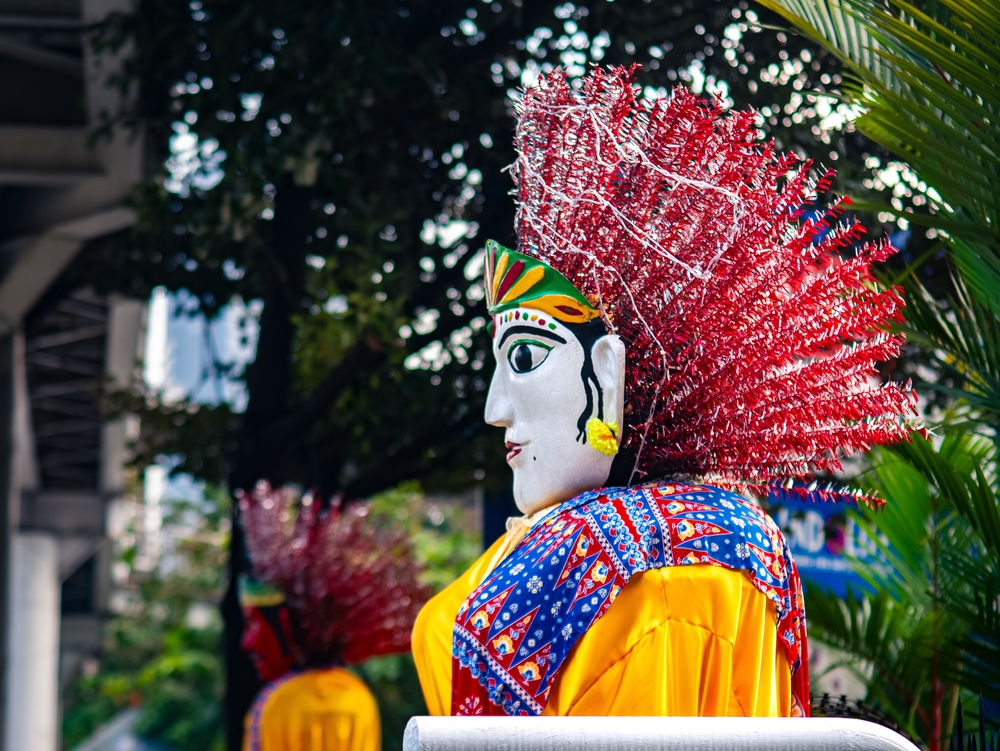
Ondel-ondel is one of the most recognizable icons of Betawi culture. These towering puppets were once believed to provide spiritual protection and are now featured in festivals and cultural events across Jakarta.
Lenong is a traditional folk theater that combines humor, music, and distinctive Betawi dialogue. Performances often include moral messages and social commentary delivered in an entertaining way.
There is also Gambang Kromong music, which blends Chinese and Betawi influences, as well as Tari Topeng Betawi, known for its dynamic and expressive movements. Together, these art forms highlight the richness of Betawi cultural expression that continues to be preserved and introduced to younger generations.
Related Article: Looking for A Historical Trip in Jakarta? These Spots Will Send You Back in Time!
Places to Learn About Betawi Culture in Jakarta
If you wish to experience Betawi culture more closely, Jakarta offers several locations that continue to preserve its traditions and identity. These places are not only tourist destinations but also living cultural spaces that show how Betawi heritage survives amid rapid urban development.
1. Cagar Buah Condet, Kramat Jati
This area is known for preserving traces of old Betawi settlements. Visitors can still see traditional fruit gardens such as salak and duku, once characteristic of the region.
Address: Jl. Kayu Manis No.3, Balekambang, Kramat Jati District, East Jakarta.
2. Kampung Rawa Belong, Palmerah
Rawa Belong is closely associated with the Betawi community. Its vibrant flower market reflects the daily rhythm and warm social interactions of local residents.
Address: Jl. Rawa Belong, Palmerah District, West Jakarta.
3. Kampung Setu Babakan
Setu Babakan is Jakarta’s most well-known center for Betawi cultural preservation. Here, you can explore traditional houses, watch cultural performances, and taste authentic Betawi cuisine in one integrated area.
Address: Jl. R.M. Kahfi II, Srengseng Sawah, Jagakarsa District, South Jakarta.
4. Kampung Si Pitung, Cilincing
This historic site is linked to the legend of Si Pitung, a well-known Betawi folk hero. The traditional stilt house architecture gives visitors a glimpse into Betawi life of the past.
Address: Jl. Kampung Marunda Pulo, Marunda, Cilincing District, North Jakarta.
5. Ondel-ondel Monument, Kemayoran
This monument stands as a visual symbol of Betawi pride in public space. It serves as a reminder that ondel-ondel is not merely a performance icon, but a representation of Jakarta’s cultural identity.
Address: Jl. Benyamin Suaeb No.5, Kebon Kosong, Kemayoran District, Central Jakarta.
Exploring Betawi Culinary Heritage
Betawi culture is also reflected in its rich, spice-forward cuisine influenced by various cultural interactions. Some dishes you can try include:
- Kerak Telor: A traditional snack made of glutinous rice and egg, topped with toasted coconut.
- Soto Betawi: A creamy soup with beef, cooked in coconut milk or milk-based broth.
- Nasi Uduk Betawi: Fragrant coconut rice served with simple yet flavorful side dishes.
- Asinan Betawi: A refreshing mix of vegetables or fruits in sweet, sour, and spicy sauce.
- Laksa Betawi: Noodles served in a rich coconut-based broth with aromatic spices.
Interested in exploring Betawi culture firsthand? Plan your journey in Jakarta with AI Plan Your Trip to organize your time in the capital more efficiently.
Looking for recommendations on cultural destinations, traditional performances, or authentic Betawi cuisine? Let MaiA guide you with personalized suggestions for a meaningful and memorable experience.