







Indonesia is home to a rich tapestry of living cultural traditions, one of which comes from the easternmost region of the archipelago—Papua. Among its most meaningful intangible heritages is noken, a traditional multifunctional bag that reflects the values, identity, and daily life of Papuan communities.
Within cultural tourism, noken offers travelers a deeper connection beyond landscapes. It allows visitors to experience how heritage, craftsmanship, and community values are woven into everyday life, making Papua a compelling destination for heritage-based travel.
What Is Noken?
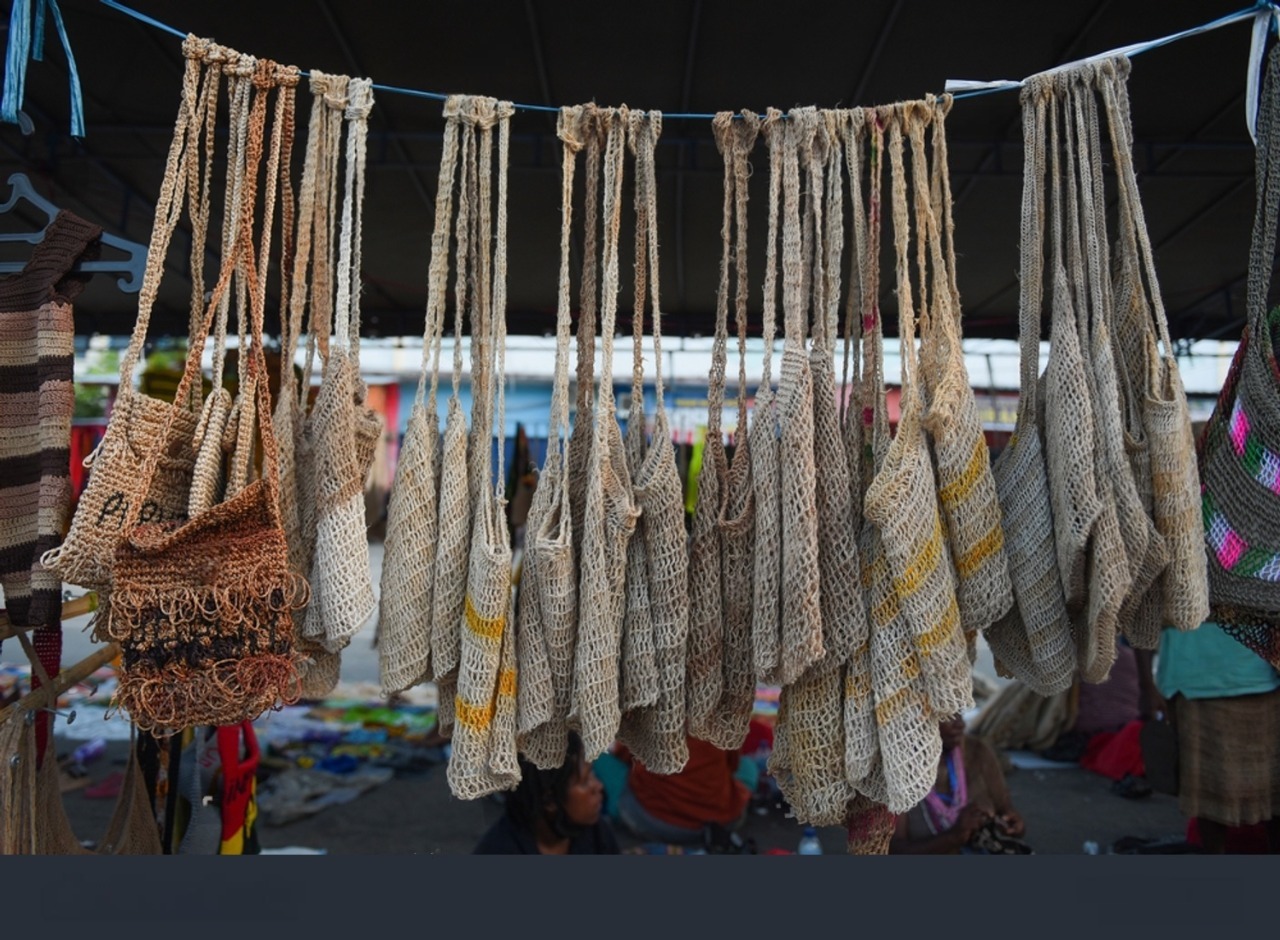
Noken is a traditional Papuan knotted or woven bag made from natural fibers. It is used to carry agricultural produce, daily necessities, and even children. Distinctively worn over the head or shoulder, noken reflects both practicality and cultural adaptation.
In 2012, UNESCO recognized noken as Intangible Cultural Heritage in Need of Urgent Safeguarding, acknowledging its cultural importance and the risks faced by its continuation.
Types and Cultural Variations
Noken varies in size, material, and design depending on its function and region of origin. Some are small for personal use, while larger noken are designed for heavy loads. Materials range from tree bark fibers to plant-based yarns.
Each Papuan community has its own distinctive techniques and motifs, making noken a cultural marker of regional identity. These variations highlight Papua’s cultural diversity and the adaptability of traditional knowledge.
History and Cultural Significance
For centuries, noken has been an integral part of Papuan daily life. Traditionally handcrafted by women, the skills of making noken are passed down through observation and practice rather than formal instruction.
Beyond its function, noken symbolizes life, fertility, responsibility, and womanhood. It is often present in rituals and social practices, reinforcing its role as a living cultural identity rather than a static artifact.
Noken as a Cultural Travel Experience
For travelers, noken represents an authentic cultural encounter. Traditional markets and villages across Papua—such as in Jayapura and Wamena—offer opportunities to observe, learn, and purchase handmade noken directly from artisans.
Cultural destinations centered on noken are ideal for solo travelers seeking meaningful experiences, friends traveling together for cultural exploration, and families interested in educational and heritage-based tourism.
Safeguarding Noken for the Future
The sustainability of noken faces challenges from declining numbers of artisans and mass-produced alternatives. Preserving noken requires collective efforts involving communities, education, government support, and responsible tourism.
By integrating noken into Indonesia’s cultural tourism narrative, tourism can support artisan livelihoods while ensuring this heritage continues to thrive for future generations.
Noken demonstrates that cultural heritage lives not only in monuments but also in everyday objects filled with meaning. Each knot carries stories of resilience, harmony with nature, and communal values.
Visiting Papua offers more than scenic beauty—it invites travelers to engage with living heritage. Through noken, visitors can connect with the soul of Papuan culture and become part of its ongoing story.