



Foto: asset.indonesia.travel
Indonesia is home to one of the world’s richest biodiversities. From its pristine rainforests to vibrant coral reefs, this archipelago boasts an incredible array of flora and fauna, making it one of the 17 most biodiverse countries on the planet. However, with such immense natural wealth comes a profound responsibility: preserving these ecosystems for future generations.
Let’s delve into why biodiversity in Indonesia is so significant, what benefits it brings, the challenges it faces, and how both locals and tourists can contribute to its protection.
1. The Extraordinary Biodiversity of Indonesia
Foto: Foto: asset.indonesia.travel
Indonesia comprises over 17,000 islands, which provide varied ecosystems supporting an astonishing range of species. Worldwide, scientists have identified 1.8 million species of flora and fauna, and Indonesia alone is home to approximately 31,750 of these, accounting for about 1.75% of global biodiversity.
In terms of flora, Indonesia is a global leader with around 30,000 plant species. This includes the famed Rafflesia arnoldii, the world’s largest flower, and numerous unique orchids and medicinal plants. Its fauna is equally remarkable. The country ranks second globally in mammalian diversity, with around 12% of the world’s mammal species, 16% of reptiles, and 17% of bird species. Iconic species like the endangered orangutan, the Sumatran tiger, and the Komodo dragon, the world’s largest lizard, call Indonesia home.
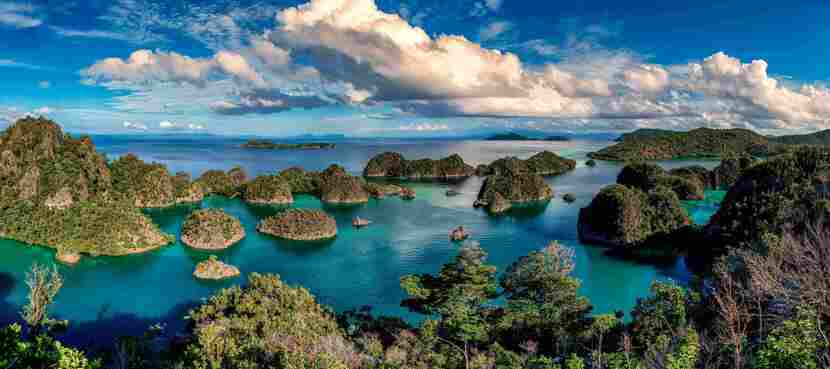
The country’s marine biodiversity is unparalleled as well. Indonesia’s waters contain 18% of the world’s coral reefs, with over 500 coral species, 2,500 species of fish, and countless other marine organisms. This makes it one of the most sought-after destinations for marine tourism, including diving and snorkeling.
2. Benefits of Biodiversity
Foto: asset.indonesia.travel
Biodiversity isn’t just a natural treasure; it’s a crucial resource for human survival and economic prosperity. Indonesia’s diverse ecosystems provide food, medicine, industrial raw materials, and a wealth of natural products. For instance, local plants are used in traditional herbal medicines (known as jamu) and are sources for modern pharmaceutical research.
Socially and culturally, biodiversity contributes to education, tourism, and the arts. It also plays a significant role in ecotourism, which brings both economic benefits and a means to spread environmental awareness. Ecotourism initiatives encourage conservation practices by involving local communities, thereby providing income and fostering pride in Indonesia’s natural heritage.
For example, ecotourism projects in regions like Bali, Komodo National Park, and Papua involve visitors in conservation efforts such as mangrove planting, coral reef restoration, and turtle release programs. These experiences educate tourists and locals alike, creating advocates for sustainable practices.
3. The State of Biodiversity in Indonesia
Foto: asset.indonesia.travel
Despite these riches, Indonesia’s biodiversity is under threat. The country ranks as the sixth most biodiversity-rich nation globally but also faces significant challenges, including habitat loss, illegal wildlife trade, and pollution. Over the last few decades, deforestation for agriculture, mining, and urban development has led to a sharp decline in natural habitats.
Current statistics are sobering: Indonesia has already lost an estimated 50% of its natural forests, and deforestation continues to threaten iconic species like the orangutan and the Sumatran elephant. Additionally, coral reefs face damage from overfishing, tourism pressures, and climate change.
In response, the Indonesian government has implemented various conservation measures, including in-situ (natural habitat) and ex-situ (zoo and botanical garden) strategies to protect threatened species. Recent policies, such as the 2023 Presidential Instruction on Mainstreaming Biodiversity Conservation, aim to prioritize biodiversity in sustainable development.
4. Conservation Initiatives: How You Can Help
Foto: Lilik Darmawan
Tourists and locals alike have an essential role to play in conserving Indonesia’s biodiversity. Several conservation initiatives across the country welcome visitors who want to make a positive impact. These programs not only protect species but also offer hands-on learning experiences for participants.
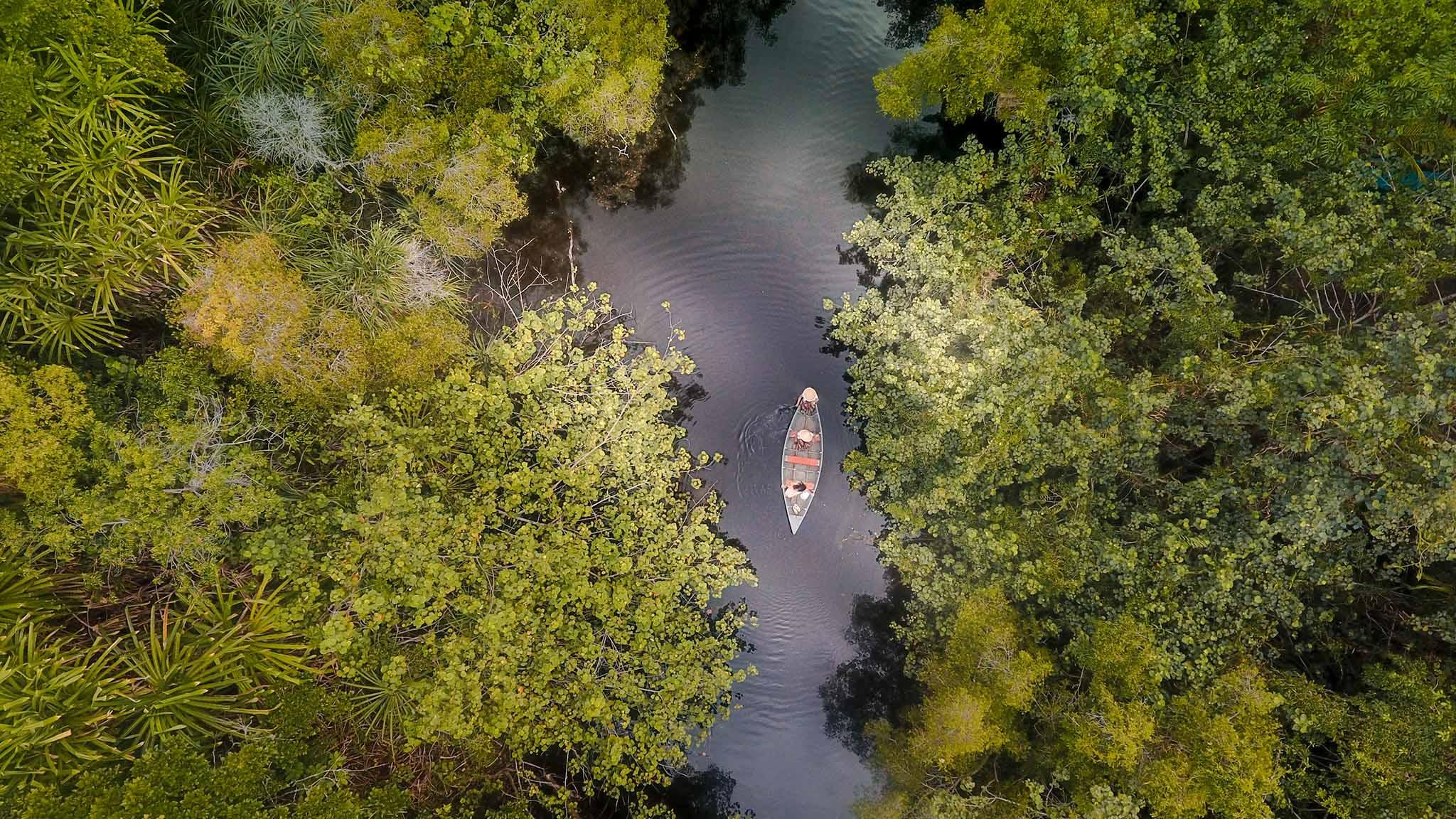
Mangrove Planting in Bali: Mangroves are vital for coastal protection, fish habitat, and carbon sequestration. Visitors can participate in mangrove planting activities in Bali, helping to restore degraded shorelines and preserve crucial marine life.
Coral Restoration in Raja Ampat: Raja Ampat is one of the most biodiverse marine ecosystems in the world. Conservation organizations there offer coral planting programs, where tourists can dive and actively participate in reef restoration.
Turtle Hatchling Release in Sumatra: Several turtle conservation centers in Sumatra allow visitors to help release baby turtles, known as tukik, into the sea. This hands-on experience fosters a deeper appreciation of marine life and raises awareness about the importance of preserving these endangered species.
By engaging in such activities, visitors not only help conservation efforts but also gain a richer understanding of Indonesia’s unique ecosystems.
5. Reducing Plastic Waste for a Healthier Environment
Foto: https://ppid.menlhk.go.id/
Plastic pollution is one of the biggest threats to biodiversity in Indonesia. Single-use plastics often end up in rivers and oceans, where they harm marine life and disrupt ecosystems.
To reduce your impact, consider following these eco-friendly travel tips:
Bring a Reusable Water Bottle: Avoid buying bottled water by carrying a reusable bottle. Many hotels and public spaces in tourist areas offer water refilling stations.
Pack Eco-Friendly Utensils and Bags: Use bamboo or metal straws, reusable cutlery, and cloth shopping bags. This small change can significantly reduce plastic waste, especially in popular tourist areas where single-use plastic items are common.
Stay at Eco-Conscious Accommodations: Many hotels and resorts in Indonesia now implement sustainability measures, including reducing plastic usage and supporting local conservation projects. Choosing these establishments supports businesses that prioritize the environment.
6. The Importance of Preserving Biodiversity for Future Generations
Maintaining biodiversity isn’t just about conserving natural beauty; it’s about preserving life-sustaining systems that impact every generation. Biodiversity supports food security, clean air and water, and climate regulation, all of which are essential for human survival. As the foundation of ecological health, diverse ecosystems offer resilience against environmental challenges, such as climate change and natural disasters.
Indonesia’s cultural heritage is also deeply intertwined with its biodiversity. Indigenous communities have relied on local plants and animals for food, medicine, and crafts for centuries. Preserving biodiversity, therefore, also means safeguarding traditional knowledge and practices that enrich Indonesian culture.
7. Join the Movement: Protecting Biodiversity with #DiIndonesiaAja
Preserving biodiversity requires collective action, from policymakers and organizations to individuals and tourists. Simple actions, such as supporting sustainable tourism practices, reducing plastic waste, and participating in conservation activities, can have a lasting impact.
Stay informed and inspired by following the #WonderfulIndonesia campaign on Instagram @wonderfulindonesia to learn about eco-friendly travel options and discover beautiful locations where you can experience nature responsibly.
Together, we can ensure that Indonesia’s rich biodiversity remains a vibrant and integral part of the country’s heritage, providing inspiration and resources for generations to come.