


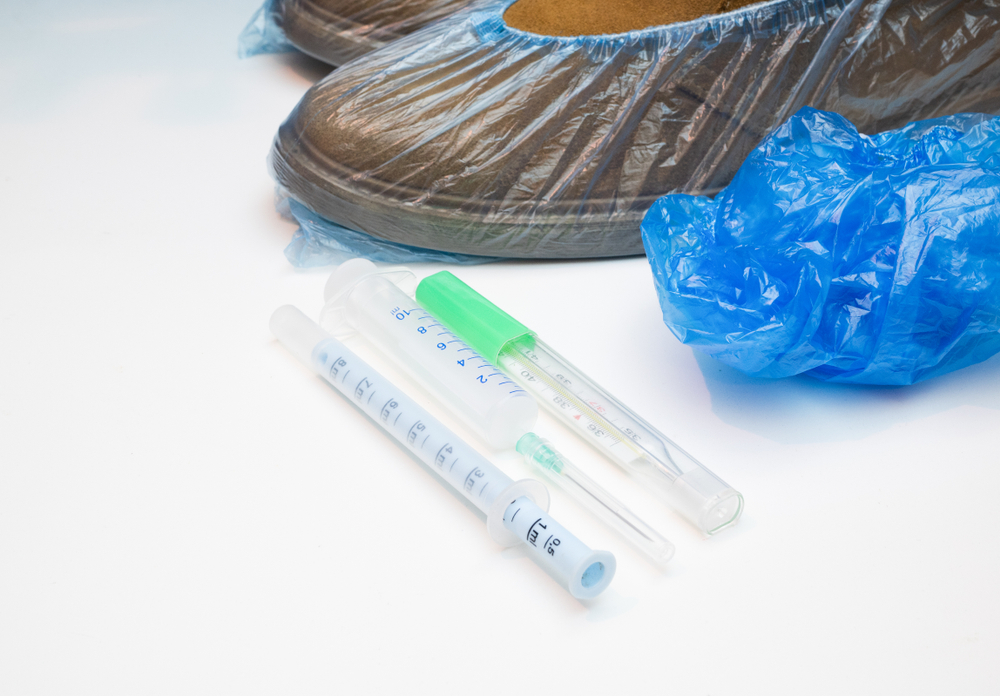
The Anti‑Drug Museum, also known locally as Wale Anti Narkoba (WAN), is the first museum in Indonesia dedicated to drug abuse prevention and public awareness. Located in Tompaso, Minahasa Regency, North Sulawesi, the museum stands within the North Sulawesi Cultural Center complex alongside other museums.
The term “Wale” means “house” in the Minahasa language, symbolizing a house of anti‑drug education, where visitors of all ages can learn about drugs, their harmful effects, and strategies to stop drug misuse in society.
Type and Management The Anti-Drug Museum
Classified as a special museum, WAN focuses on a single critical social theme: the dangers of narcotics and efforts to prevent abuse. Unlike general museums that display historical or cultural artifacts, this museum uses informational exhibits to educate the public.
Its displays include drug replicas, educational posters, videos, and interactive information about drug history, usage tools, and legal consequences.
The museum was established by the Yayasan Institut Seni Budaya Sulawesi Utara (YISBSU) in cooperation with the National Narcotics Agency (BNN) and the Solidarity of United Cabinet Wives (SIKIB). This partnership combines cultural, governmental, and community efforts to raise awareness about drugs and combat narcotics abuse.
The idea was driven by Dr. Benny J. Mamoto, a former BNN Deputy for Narcotics Eradication, who envisioned the museum as a proactive educational approach to addressing drug problems in Indonesia.
History of the Anti-Drug Museum
The Anti‑Drug Museum was inaugurated on February 26, 2014, as part of a national campaign by the BNN designating that year as a “Year of Saving Drug Users.” It became one of the first public efforts to use museum education as a prevention tool against drug misuse.
Since its opening, WAN has been referenced as a pilot project for similar initiatives across Indonesia, seeking to replicate its educational model in other regions.
Collections & Exhibition Spaces
Inside the museum, visitors can explore various exhibits designed to provide accurate, open, and impactful information about drugs and their dangers, including:
- Replicas of illegal drugs such as methamphetamine, cannabis, heroin, and opium.
- Serious impact zone highlighting the physical and social damage caused by drugs.
- Religious and cultural perspectives on narcotics.
- Displays of drug usage paraphernalia and its historical context.
- BNN institutional information covering eradication, rehabilitation, law enforcement, and cooperation programs.
- Future without drugs themed areas promoting healthy lifestyles.
- Film screening room that presents documentaries and educational features.
Vision The Anti-Drug Museum
The museum’s vision is to foster a society well‑informed about the dangers of drugs, capable of preventing narcotics misuse through education and awareness, particularly among the youth and vulnerable populations.
Mission The Anti-Drug Museum
To support this vision, its missions include:
- Educating the public, especially young people, about drug types and harms.
- Providing accurate, accessible prevention information.
- Engaging community and educational institutions in anti‑drug campaigns.
- Offering a resource hub for anti‑drug knowledge and inspiration.
- Raising awareness of legal sanctions and rehabilitation options.
Role in Society
The Anti‑Drug Museum plays a vital role as a center for drug awareness, education, and community engagement. It functions not only as an informative tourist destination but also as a proactive educational platform to inspire individuals and communities to live drug‑free lifestyles.
By presenting factual information through engaging exhibits, the museum contributes to building a healthier and more resilient society, especially among younger generations.