



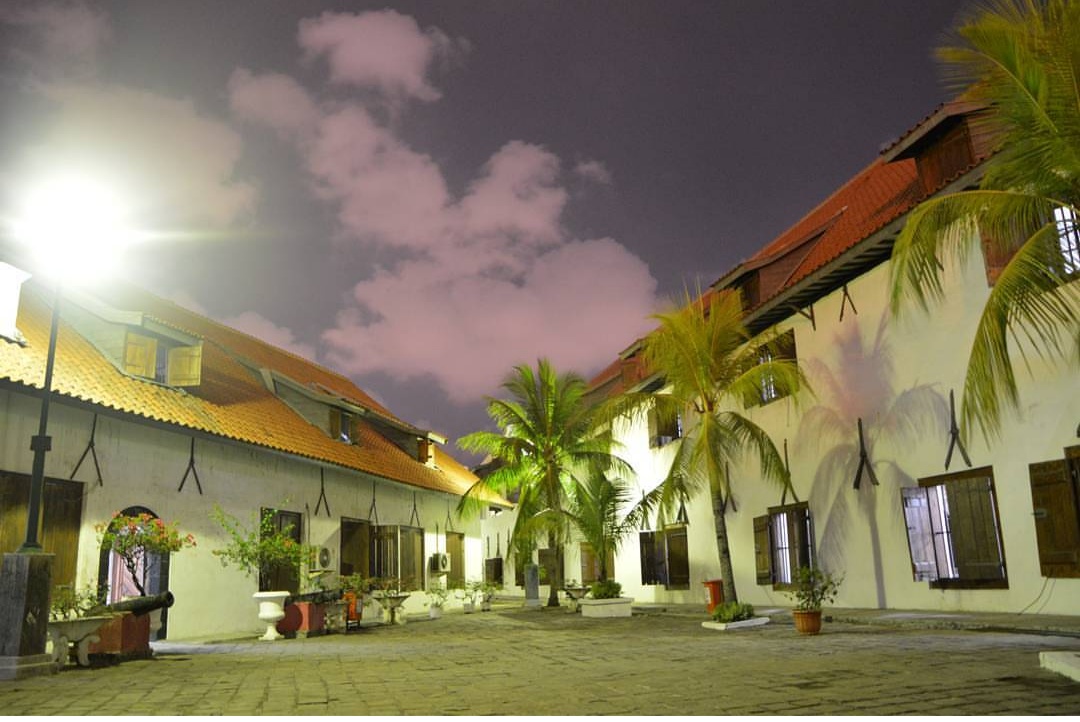
Museum Bahari is a specialized museum located in North Jakarta, Indonesia, dedicated to preserving and showcasing the country’s rich maritime heritage. Officially recorded under the Museum Registration system and listed as part of Indonesian Museums, Museum Bahari contributes to the Indonesian cultural landscape by presenting valuable museum collections that reflect centuries of nautical history.
Housed in former Dutch East India Company (VOC) warehouses near Sunda Kelapa Harbor, the museum offers visitors a unique insight into Indonesia’s past as a seafaring and trading nation. These historic buildings were restored and inaugurated as Museum Bahari on July 7, 1977, transforming a symbol of colonial commerce into a modern educational institution.
What Is Museum Bahari?
Museum Bahari is a specialized maritime museum focused on the cultural and historical aspects of Indonesia’s relationship with the sea. It preserves artifacts, ship models, navigational tools, and other items that illustrate the evolution of maritime activities ranging from traditional pelagic voyages to historic trade routes.
As a recognized Indonesian Museum, it helps the public understand how maritime traditions shaped the nation’s economic and cultural identity across centuries.
Type & Classification
- Museum Category: Specialized Museum — focusing on maritime history and heritage.
- Museum Type: Type A — indicating extensive galleries and significant collection importance within the museum ecosystem.
This classification highlights Museum Bahari’s role as a major cultural institution that provides educational and research value through its exhibitions and displays.
Management and Ownership
Owned and operated by the Provincial Government of DKI Jakarta and managed through the Department of Culture, Museum Bahari benefits from institutional support that ensures ongoing care for its collections and public programs.
The museum’s management focuses on preserving maritime artifacts and presenting them in ways that engage diverse audiences.
History of the Museum
The site of Museum Bahari was originally a series of warehouses built by the Dutch East India Company (VOC) during the 17th and 18th centuries, serving as storage for lucrative spices, coffee, tea, textiles, and other commodities. These structures, known as Westzijdsche Pakhuizen and Oostzijdsche Pakhuizen, reflect Indonesia’s colonial commercial history.
After Indonesia’s independence, the buildings served various administrative purposes until restoration work began in 1976, culminating in the museum’s official opening in 1977.
Museum Collections
Museum Bahari boasts a wide array of museum collections that illustrate Indonesia’s maritime culture:
- Traditional boat models from the Indonesian archipelago, including phinisi schooners and regional watercraft.
- Reproductions and original maritime tools such as anchors, navigation instruments, and ship cannons.
- Exhibits on nautical trade, shipbuilding, and coastal livelihoods.
These collections are organized across multiple galleries to provide an immersive educational experience on Indonesia’s maritime past.
Vision
The museum’s vision is to explore and disseminate the values of Indonesia’s maritime heritage, fostering pride in the nation’s historical connection to the sea and highlighting its legacy as a maritime power.
Mission
Museum Bahari’s mission includes:
- Providing public service that educates visitors about Indonesia’s maritime history.
- Enhancing appreciation for maritime culture and heritage.
- Offering an informative, educational, and recreational space for visitors.
- Cultivating national identity and pride through maritime exploration and history.
Museum Bahari stands as a key institution among Indonesian Museums, preserving vital National Museum collectionsand serving as a bridge between Indonesia’s historical maritime achievements and contemporary cultural awareness.