

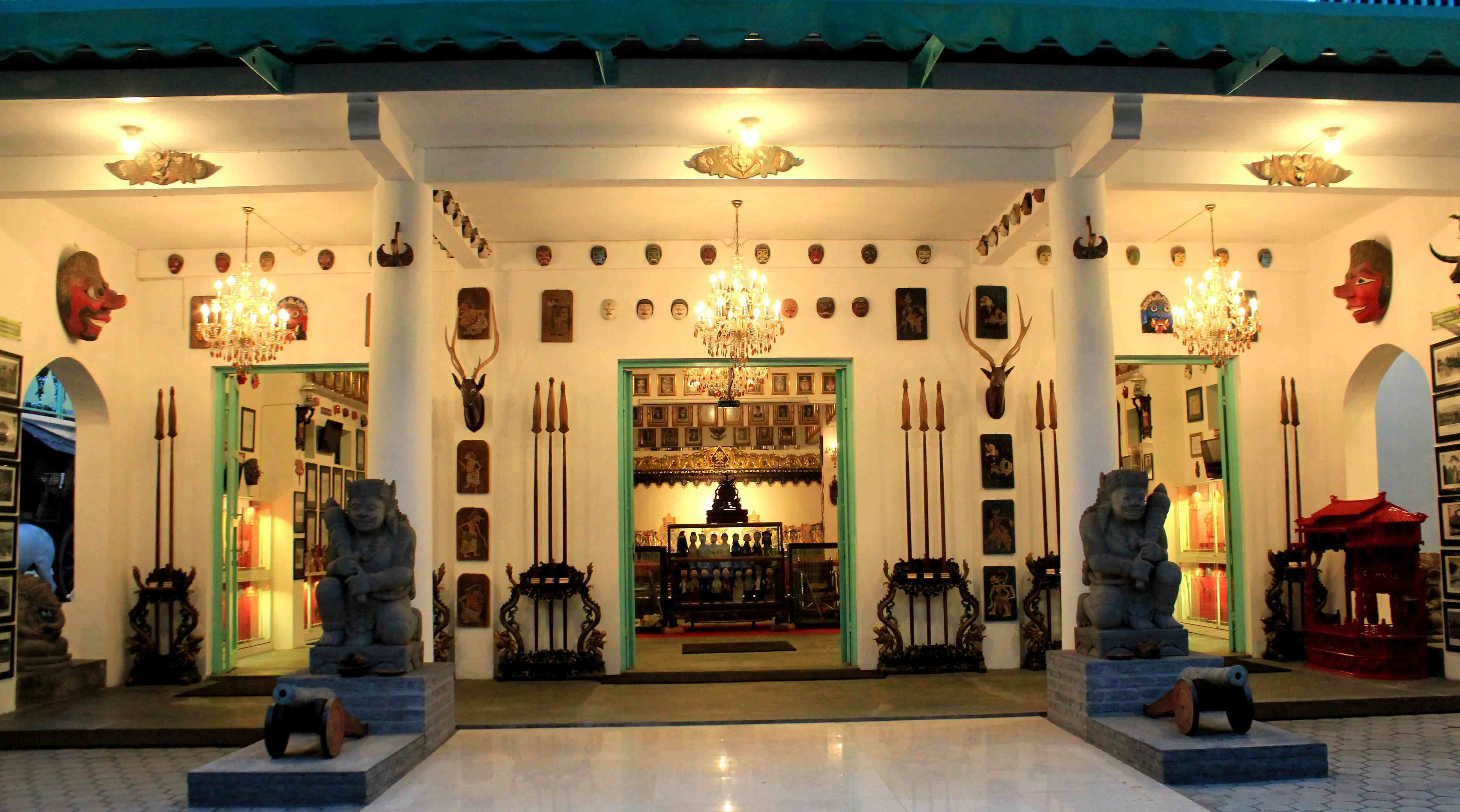
The Gubug Wayang Museum is a cultural museum in Mojokerto City, East Java, Indonesia, dedicated to showcasing traditional Indonesian puppetry and ethnographic artifacts. It offers visitors an immersive cultural experience that educates and inspires people of all ages about Indonesia’s rich artistic heritage.
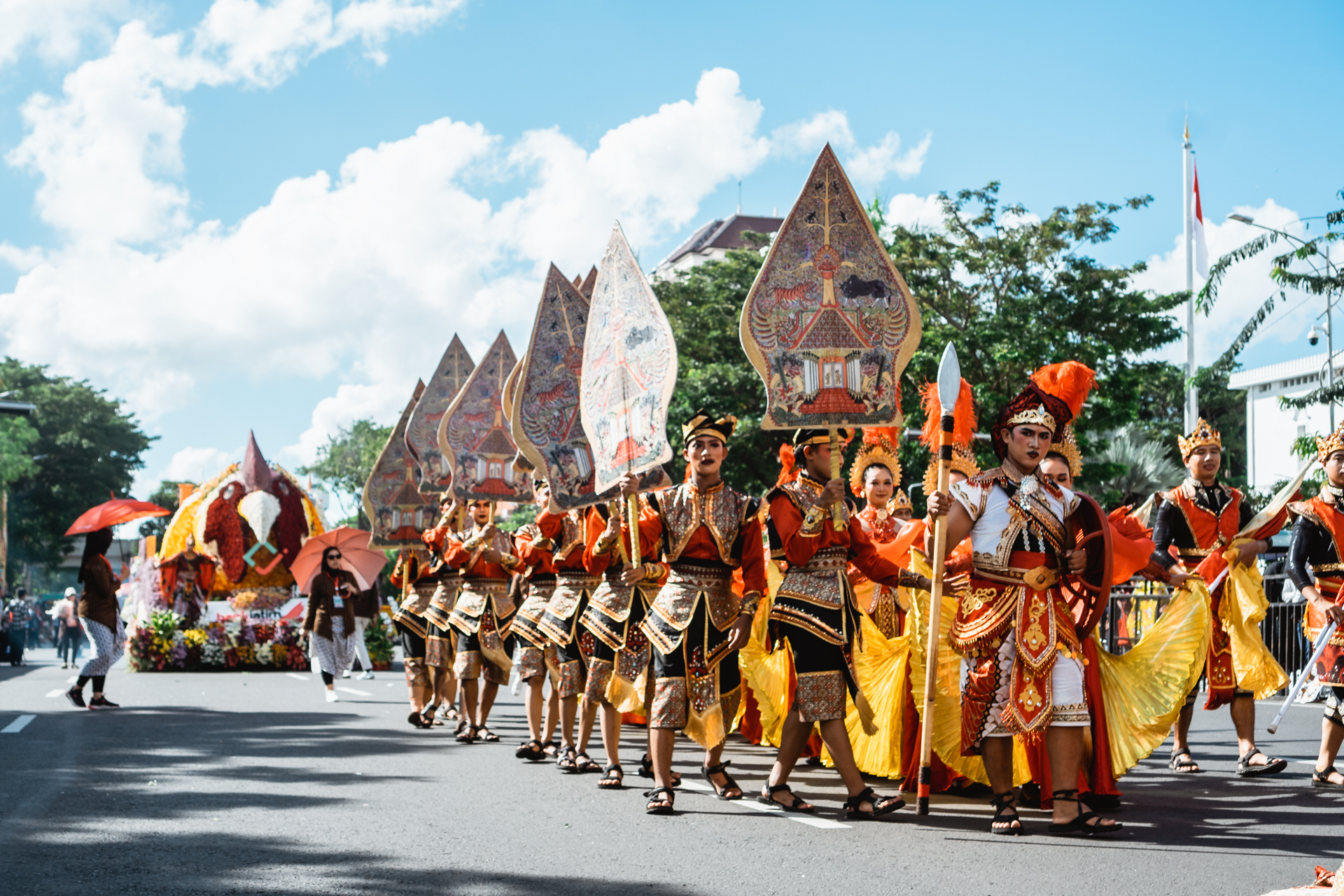
Gubug Wayang Museum is a specialized cultural museum focusing on Indonesian arts and traditional puppetry, most notably wayang from various regions of the archipelago. Its exhibits include leather shadow puppets (wayang kulit), wooden puppets (wayang golek), traditional masks, keris (traditional daggers), and other ethnographic collections that represent the diversity of Indonesia’s cultural traditions.
Historical Background
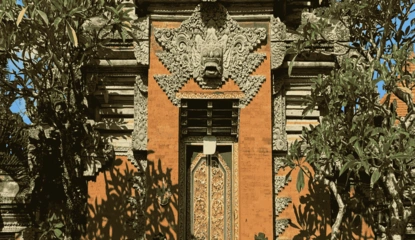
The museum was officially opened on August 15, 2015, originating from a small community studio dedicated to the preservation of wayang and traditional arts. The initial studio space was only 3×3 meters, but it gradually evolved into a full-fledged museum. The building itself is a historic Dutch East Indies heritage structure, built in 1912, which had previously served as a fabric storage facility and later a swallow’s nest house before being revitalized for museum use.
Type and Management Museum
Classified as a special museum, Gubug Wayang Museum focuses exclusively on cultural, artistic, and ethnographic collections centered around wayang and Indonesian traditions. Currently, it has not yet received the national standardization category according to official museum classifications.
The museum is owned by Sendjojo Njoto and managed by Dea Putri Njoto, S.M., the Chief Director responsible for overseeing the museum’s cultural programming, collection maintenance, and educational outreach activities.
Vision Museum
The core vision of the Gubug Wayang Museum is to unify the nation through culture. The museum believes that Indonesia’s artistic traditions serve as a social unifier and a source of pride for future generations.
Mission Museum
To realize its vision, the museum carries out several key missions:
- Encouraging society to understand, love, and preserve Indonesian arts and culture.
- Establishing the museum as an enjoyable educational, creative, and recreational space.
- Generating positive cultural influence in society based on Indonesian cultural values.
Educational and Cultural Role
Beyond being a repository of artifacts, the Gubug Wayang Museum plays a vital role in cultural education. It hosts school visits, puppetry workshops, and live demonstrations that bring traditional storytelling to life.
The museum’s collections highlight the diversity of wayang, including Yogyakarta-style leather puppets and various regional puppetry styles that showcase Indonesia’s cultural wealth.
In summary, the Gubug Wayang Museum is not only a cultural preservation site but also a dynamic learning environment where traditional arts continue to flourish and inspire new generations.