




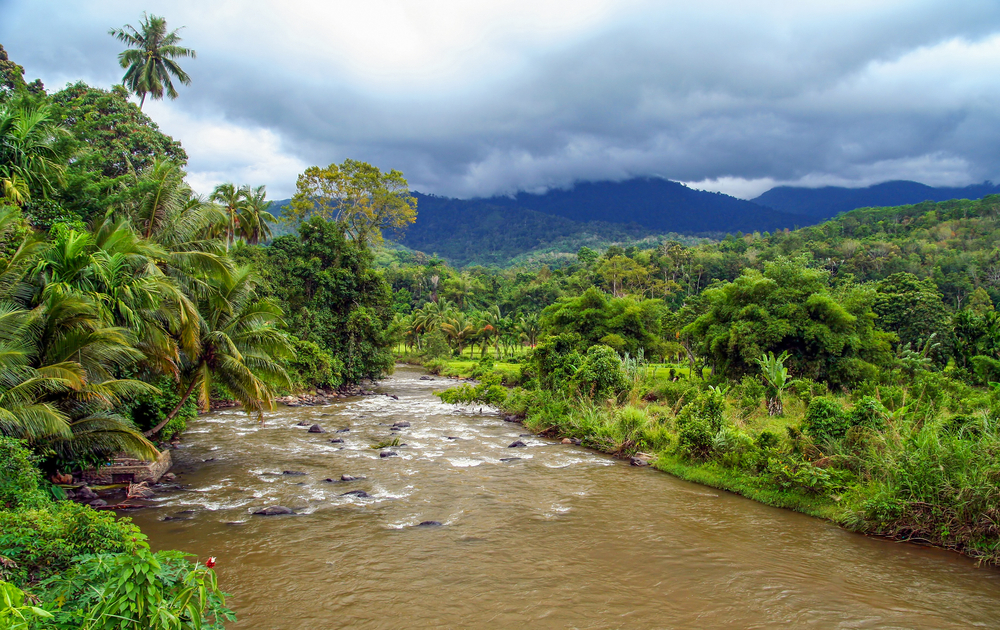
The Tropical Rainforest Heritage of Sumatra is one of the most important conservation areas in Southeast Asia and serves as a living testament to Indonesia's globally recognized natural wealth. This region reflects the beauty of a relatively intact tropical rainforest while serving as home to thousands of flora and fauna species endemic to Sumatra. With its vast and diverse landscapes, this area holds great potential as a destination for global conservation and sustainable nature tourism.
Stretching along the Bukit Barisan mountain range, the Tropical Rainforest Heritage of Sumatra showcases diverse landscapes, from lowland rainforests and volcanic peaks to coastal ecosystems along the Indian Ocean. It is an inspiring destination for solo travelers, groups of friends, and families seeking meaningful encounters with nature.
Historical Background and Recognition
The Tropical Rainforest Heritage of Sumatra covers more than 2.5 million hectares and consists of three major national parks: Gunung Leuser National Park, Kerinci Seblat National Park, and Bukit Barisan Selatan National Park. These areas were united as a single heritage property due to their outstanding ecological and biogeographical value, reflecting the evolutionary history of Sumatra.
From the beginning, this region has been recognized as a stronghold for Sumatra’s unique flora and fauna. It is home to approximately 10,000 plant species, over 200 mammal species, and around 580 bird species, including iconic and endangered animals such as the Sumatran orangutan, tiger, elephant, and rhinoceros.
Biodiversity and Natural Landscapes
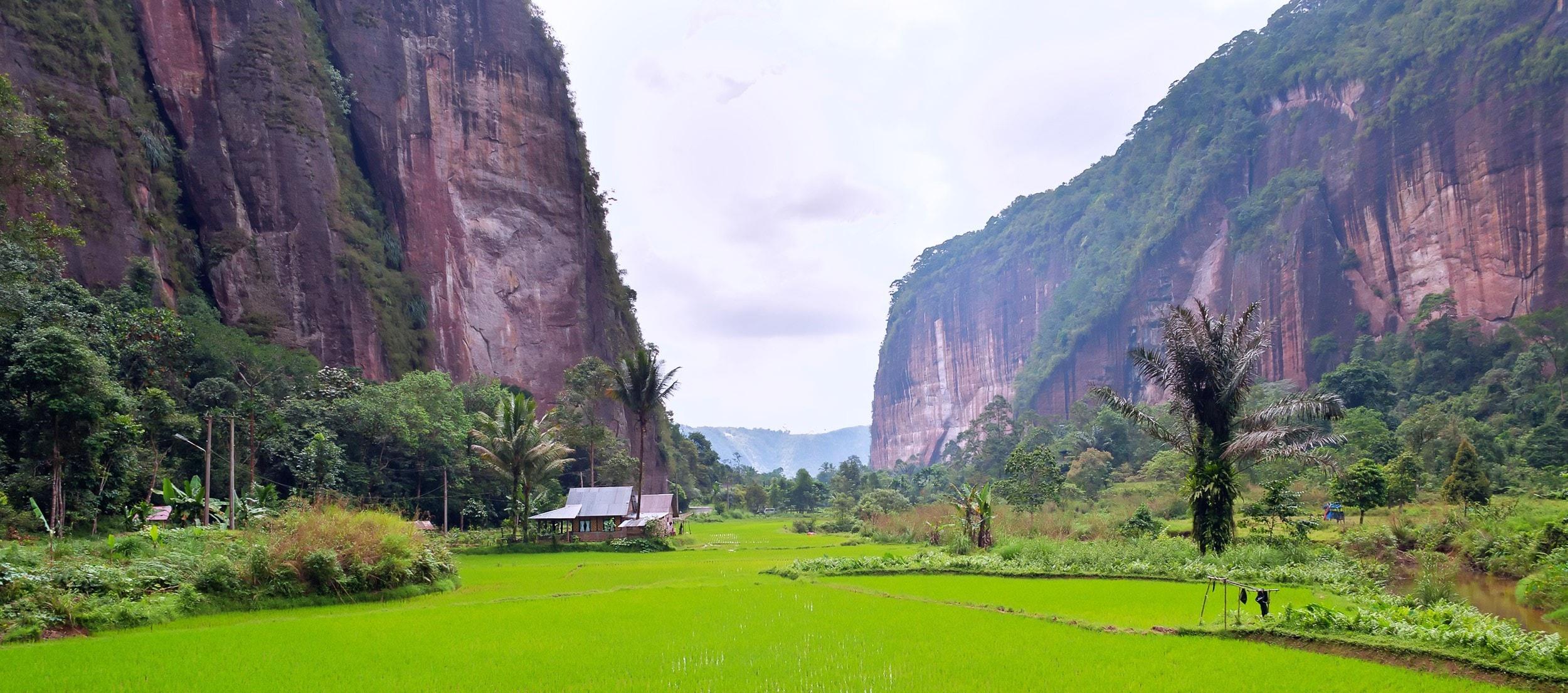
What makes the Tropical Rainforest Heritage of Sumatra truly exceptional is its combination of biodiversity and dramatic scenery. The area includes Mount Kerinci, Indonesia’s highest volcano, and Lake Gunung Tujuh, the highest lake in Southeast Asia. Waterfalls, caves, volcanic lakes, and dense forests create breathtaking natural backdrops ideal for eco-tourism and adventure travel.
The wide altitudinal range supports various ecosystems, making the region perfect for trekking, wildlife observation, photography, and educational trips. These experiences can be enjoyed by individual travelers, groups of friends, or families looking to explore nature responsibly.
Management and Conservation Efforts
As a collection of national parks, the Tropical Rainforest Heritage of Sumatra benefits from Indonesia’s highest level of legal protection. The area is managed by the Directorate General of Forest Protection and Nature Conservation, supported by comprehensive management plans aligned with the National Biodiversity Strategy and Action Plan.
Conservation efforts include regular forest patrols, anti-poaching units, and community-based initiatives aimed at reducing encroachment and human-wildlife conflict. Local communities play a key role in safeguarding the forests while benefiting from sustainable economic activities linked to conservation.
How to Get There
Access to the Tropical Rainforest Heritage of Sumatra varies depending on the national park being visited. Gunung Leuser National Park is commonly reached via Medan or Banda Aceh, followed by overland travel to areas such as Bukit Lawang or Ketambe.
Kerinci Seblat National Park can be accessed from cities like Jambi, Padang, or Bengkulu, while Bukit Barisan Selatan National Park is typically reached from Bandar Lampung or Bengkulu. These journeys are ideal for adventurous travelers who enjoy scenic road trips through Sumatra’s landscapes.
The Tropical Rainforest Heritage of Sumatra is a living testament to Indonesia’s commitment to protecting one of the world’s most valuable natural ecosystems. Beyond its conservation importance, the area offers unforgettable travel experiences rooted in nature, education, and sustainability.
With responsible tourism and continued conservation efforts, the Tropical Rainforest Heritage of Sumatra will remain a world-class destination for solo travelers, friends, and families who wish to explore the heart of Sumatra’s tropical wilderness.