



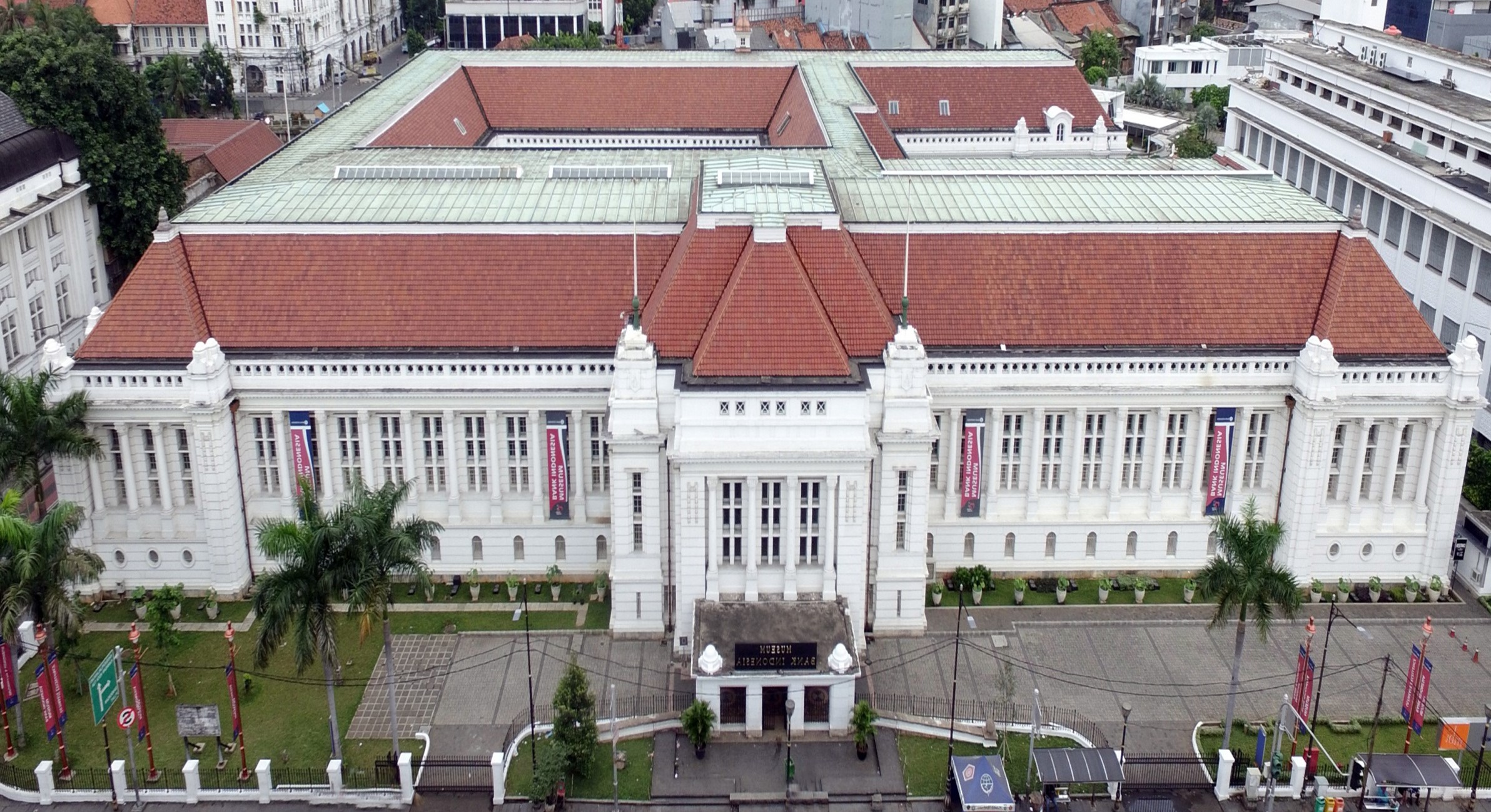
The Bank Indonesia Museum, located in West Jakarta, Indonesia, is a specialized museum dedicated to preserving and presenting the historical evolution of the Indonesian financial and banking system. Officially registered under the Indonesian Museum Registration system as part of the Indonesian Museum network, it plays an important role in educating the public about the nation’s economic history.
Housed in a historic colonial building that once served as the headquarters of De Javasche Bank, the museum combines architectural heritage with modern exhibition techniques to engage visitors from diverse backgrounds.
What Is Bank Indonesia Museum?
The Bank Indonesia Museum is a specialized financial history museum that showcases artifacts, exhibits, and narratives related to the development of Indonesia’s monetary system, banknotes from various eras, and the evolving role of the central bank.
Its exhibits provide context on how monetary policy, banking institutions, and currency have influenced Indonesia’s economic journey from pre-colonial times to modern financial systems.
Type & Classification
- Museum Category: Specialized Museum — dedicated to economic and banking history.
- Museum Type: Type A — indicating comprehensive collections and exhibition quality with significant educational and research value.
This classification reflects the museum’s role as an educational resource for students, historians, and the general public interested in economic heritage.
Management & Ownership
The museum is owned and managed by Bank Indonesia, particularly through its Communication Directorate, which oversees collection management, exhibition planning, and educational programming.
History of the Museum
The museum occupies a former De Javasche Bank building — the colonial central banking institution — designated as a cultural heritage building by the Jakarta Provincial Government.
After Indonesia’s independence and nationalization of banking institutions, the structure became part of Bank Indonesia and was later restored to serve as a public museum. The Bank Indonesia Museum opened to the public on 21 July 2009.
Museum Collections
While the official national museum registration database may not list the exact number of items on display, the museum features significant museum collections such as:
- Historic currency and numismatic collections from pre-colonial to modern Indonesian money.
- Exhibits illustrating Bank Indonesia’s policies and role in the national financial system.
- Interactive displays on financial history designed to enhance public understanding.
These collections help visitors and researchers alike understand Indonesia’s complex economic heritage.
Vision
The museum’s vision is to be a trusted source of information on Bank Indonesia’s history, presented in an engaging, informative, and modern way with professional museum management.
Mission
The museum’s mission includes:
- Providing educational resources on Indonesia’s financial history.
- Communicating the role and policies of Bank Indonesia from past to present.
- Preserving the cultural heritage of the historic building and financial artifacts.
- Enhancing public knowledge of monetary economics and banking policy.