

The island of Nias, located west of Sumatra in Indonesia, is not only known for its breathtaking landscapes and fascinating traditions but also for its unique traditional clothing that tells the story of its people’s heritage, culture, and identity. Two of the most iconic garments from this island are the Baru Oholu and Baru Isitö, highly symbolic attires that reflect the Nias people's strong values, social structures, and creative artistry.
These traditional costumes are deeply rooted in the customs of Nias society and offer a window into the fascinating historical and cultural richness of the island. Worn during various ceremonial events, dances, and rituals, Baru Oholu and Baru Isitö showcase both the artistry and the pride the Nias people hold for their long-standing traditions. Travelers to Nias Island will find these clothing styles an engaging way to connect with the island's vibrant culture.
Baru Oholu: The Ceremonial Garb of Nias Elite Men
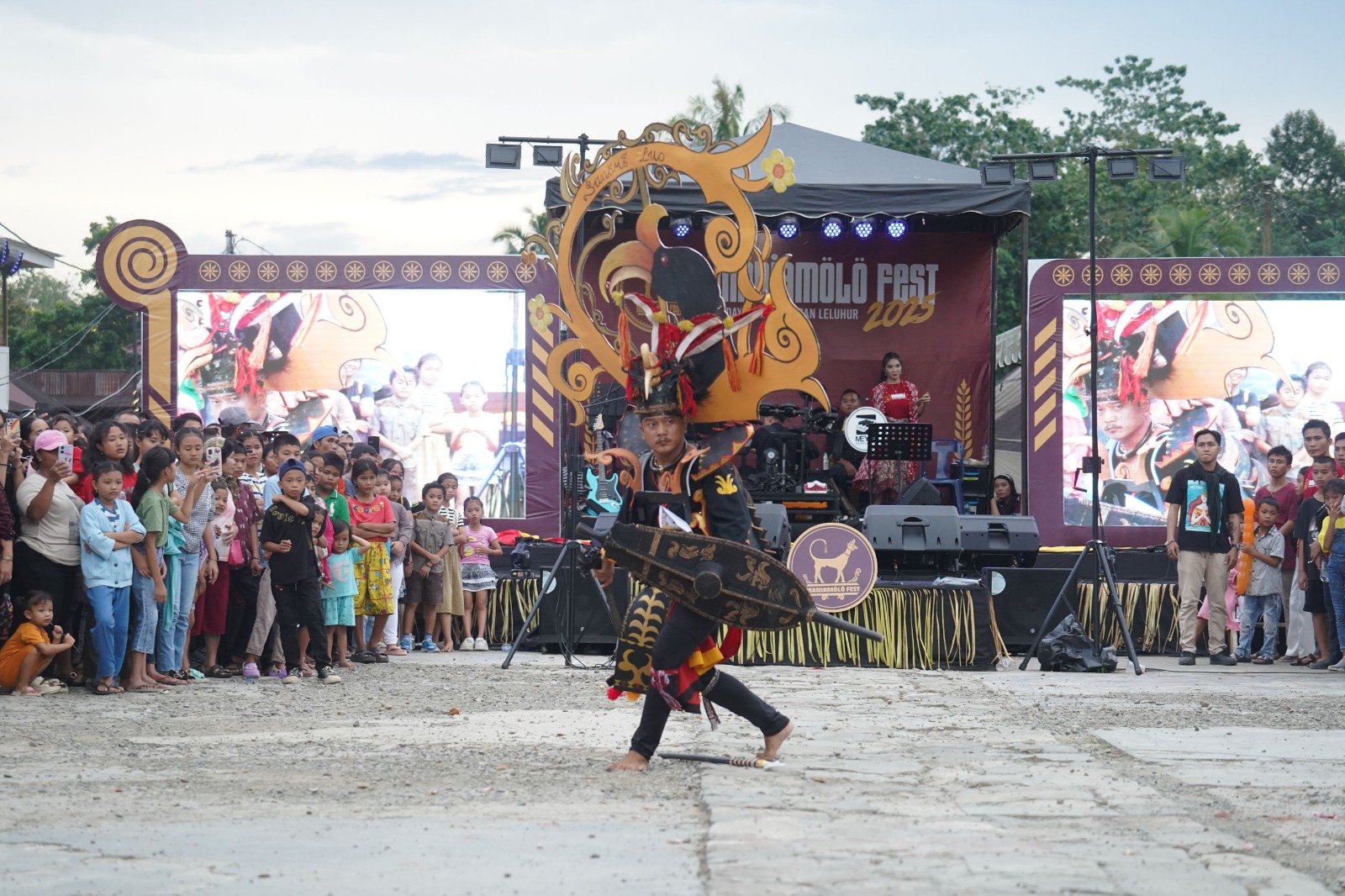
The Baru Oholu is the traditional ceremonial clothing for men in Nias, and it plays a prominent role in showcasing the island's warrior spirit and hierarchy. Historically, Baru Oholu was associated with nobles and warriors, serving as a representation of power, protection, and respect. Today, it is worn during cultural festivals, war dances, ceremonies, and rituals, keeping the legacy of warrior pride alive.
1. Distinct Features of Baru Oholu
The Baru Oholu attire evokes strength, courage, and masculine pride. Its design reflects the warlike nature of Nias' ancestors and their deep spiritual connection to their community. Key features include:
-
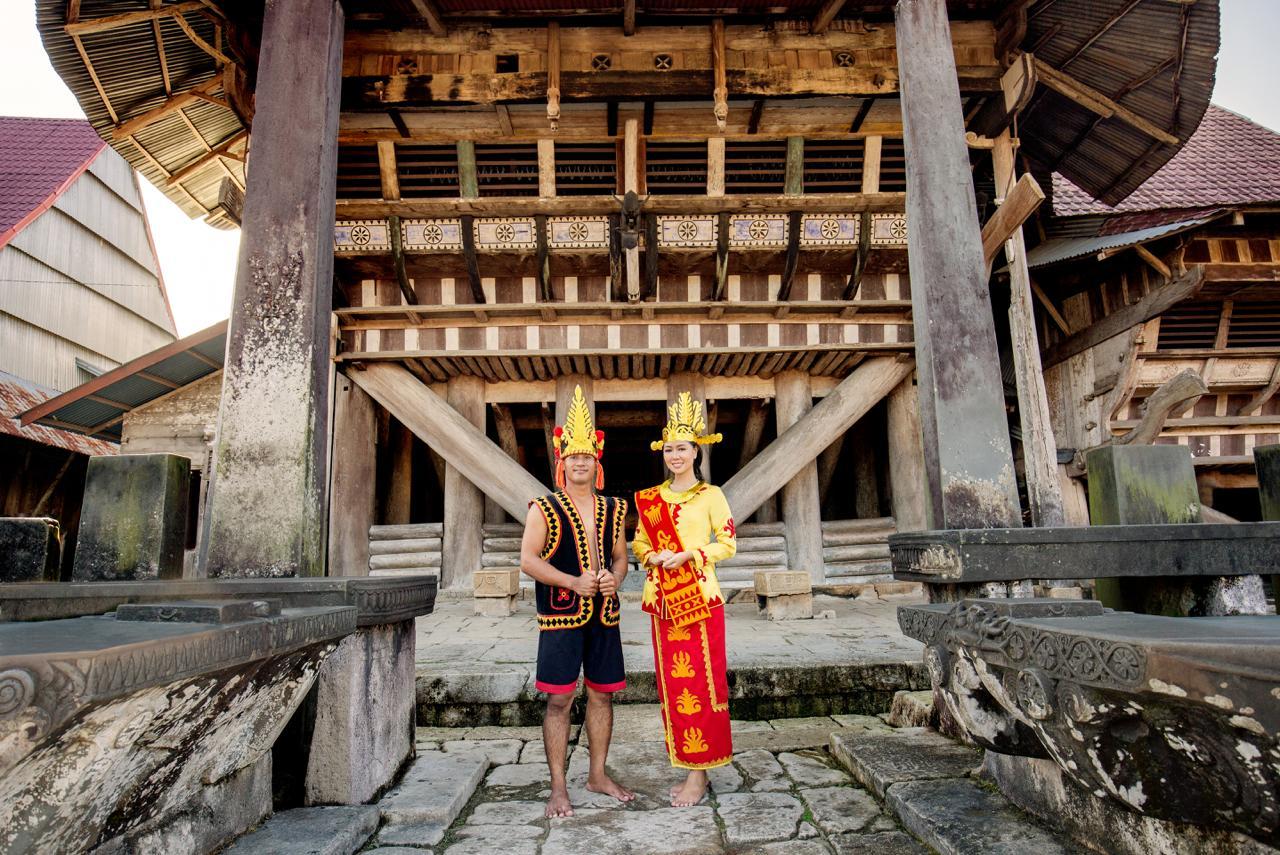
Bold Colors: Baru Oholu is typically crafted in vibrant colors, with red, yellow, and black dominating the design.
- Red symbolizes bravery and valor.
- Yellow reflects nobility and glory.
- Black signifies strength and dignity.
-
Sleeveless Vest: The primary piece of Baru Oholu is the sleeveless vest adorned with traditional geometric patterns and intricate embroidery. This vest allows the wearer free movement, especially during war dances and other action-packed performances.
-
Traditional Accessories: Baru Oholu is complemented by striking accessories, including:
- Headdress (Baru Över): Feathered or horned headpieces that accentuate the wearer's status.
- Swords (Balato): A ceremonial accessory signifying the warrior's readiness and ancestral connection.
2. When Baru Oholu is Worn
Baru Oholu is showcased during cultural celebrations like the famous Nias War Dance (Fame’e Afo) and Fahombo (stone jumping tradition). These performances aim to portray the bravery and agility of Nias men, with warriors fully dressed in Baru Oholu, captivating audiences with their energy and pride.
Baru Isitö: The Traditional Clothing of Southern Nias
For ceremonies in southern Nias, Baru Isitötakes center stage as the region’s signature traditional attire. Worn by both men and women, Baru Isitö is as bold and colorful as Baru Oholu but reflects a more intricate use of patterns and ornamentation. This attire is steeped in cultural and spiritual significance, often used to highlight rank, ritual roles, or specific cultural milestones.
1. Distinct Features of Baru Isitö
Baru Isitö is celebrated for its vivid aesthetic and elaborate detailing, which demonstrate the creativity of local artisans. This ceremonial clothing reflects both prestige and artistry, and it varies slightly between men and women:
-
For Men:
- Men wear an embroidered vest paired with a colorful sarong or short skirt, similar to Baru Oholu.
- A large feathered headdress (Baru Över) is often worn, symbolizing leadership and spiritual protection.
- Weapons, such as daggers or short swords, emphasize the enduring legacy of the Nias warrior class.
-
For Women:
- Women’s garments include elegant blouses and richly woven sarongs made from hand-dyed fabrics.
- Accessories such as gold necklaces, bracelets, and earrings reflect social standing and beauty. These pieces often use shells and beads, connecting women to nature.
- Women’s headdresses or crowns are smaller but equally adorned and dignified.
2. Color Palette and Patterns
Though similar to Baru Oholu in its color palette, Baru Isitö integrates more elaborate patterns and intricate designs, such as those inspired by natural motifs (plants or animals) or geometric symbols connected to local beliefs. These patterns often reveal an artisan's skill and the wearer’s status.
3. When Baru Isitö is Worn
Baru Isitö is often seen during community weddings, harvest celebrations, traditional thanksgiving ceremonies (Pengucapan Syukur), and cultural showcases like the Ya’ahowu Festival. It is especially popular in southern Nias, where its elaborate designs and bright colors symbolize the prosperity and unity of the wearer’s community.
Cultural and Symbolic Importance
Both Baru Oholu and Baru Isitö highlight the Nias people’s strong cultural identity and values. Beyond aesthetic purposes, these attires are deeply interwoven with the island’s history and belief systems. Here’s why these garments hold such significance:
-
Reflection of Social Hierarchy:
These traditional outfits were historically reserved for elites and leaders, symbolizing power and influence in the Nias community. -
Expression of Spirituality:
The attires are often worn during sacred rites and traditional performances to honor the gods, ancestors, and spirits believed to protect the land. -
Showcase of Craftsmanship:
Every Baru Oholu or Baru Isitö garment is a testament to the skill of Nias’ artisans, who use age-old techniques to create pieces rich in texture, pattern, and spiritual meaning. -
Preservation of Heritage:
By wearing these traditional outfits during festivals and performances, the Nias people ensure that their cultural heritage is celebrated and passed on to future generations.
Where to Experience Nias Traditional Clothing
For travelers visiting Nias, experiencing Baru Oholu and Baru Isitö firsthand is a must. Here are some of the best opportunities to see this traditional clothing:
-
Cultural Performances and Rituals
The famous Nias War Dance (Fame’e Afo) and Stone Jumping (Fahombo)provide thrilling displays of Baru Oholu. These performances are often staged during ceremonial or tourism events. -
Festivals
Annual festivals like the Ya’ahowu Festival are excellent opportunities to witness traditional Nias clothing, as well as indulge in local music, dances, and crafts. -
Nias Heritage Museum
Located in Gunungsitoli, this museum displays a remarkable collection of traditional garments, artifacts, and accessories, providing historical contexts and detailed explanations. -
Cultural Villages
Villages like Bawömataluo offer authentic glimpses into the daily lives and traditional practices of the Nias people. You might even have the chance to try wearing Baru Oholu or Baru Isitö for a photo!