






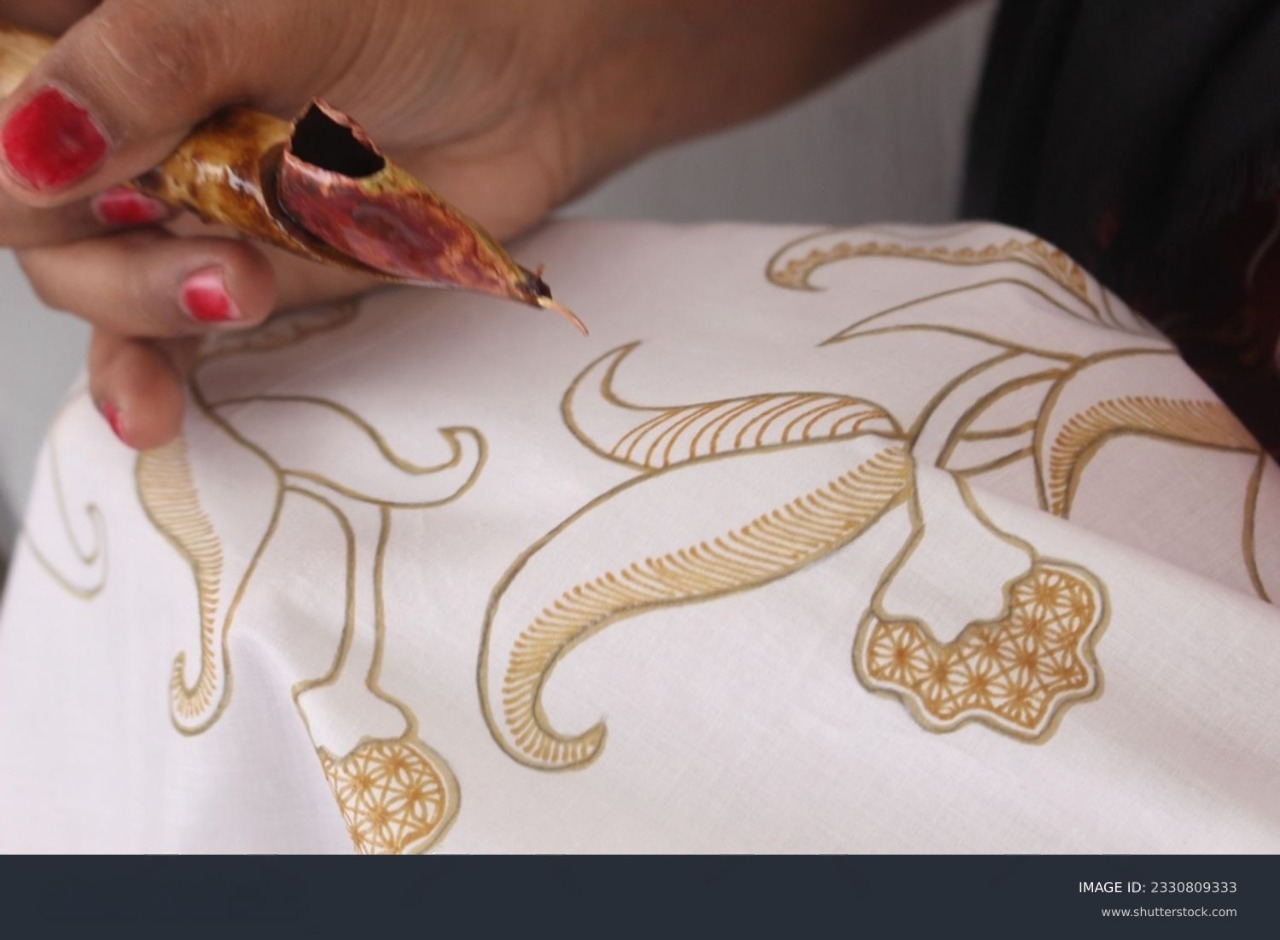
Indonesian Batik, a traditional textile with a unique dyeing technique, has been recognized by UNESCO as an Intangible Cultural Heritage rich in values since the early 19th century. However, interest among younger generations in batik has reportedly declined, making strategic efforts necessary to preserve this cultural heritage.
In response, UNESCO collaborated with the Museum Batik Pekalongan to launch an educational and training program on batik for students across various levels, from elementary school (SD), junior high (SMP), senior high (SMA), vocational schools, to polytechnic institutions. The program aims to raise awareness and appreciation among young people of the history, cultural values, and traditional skills of Indonesian batik.
Background of the UNESCO and Museum Batik Pekalongan Training Program
The program was initiated in response to concerns from the batik community regarding the declining interest of young generations. Indonesian batik itself was selected in 2009 for UNESCO’s List of Good Safeguarding Practices, demonstrating international recognition of its cultural value.
Law No. 20 of 2003 allows batik to be incorporated into school curricula as local content, particularly in regions with strong batik traditions, such as Pekalongan City. Museum Batik Pekalongan, in collaboration with UNESCO and local education authorities, began implementing the program in 2005 and has since expanded to surrounding regencies, including Batang, Pemalang, and Tegal.
Goals and Benefits of the UNESCO and Museum Batik Pekalongan Training Program
The batik education program has several key objectives:
- Cultural Heritage Preservation: Ensuring that batik knowledge and craftsmanship are transmitted to future generations.
- Respect for Cultural Heritage: Providing Indonesian batik a prominent place in school curricula as local content, reinforcing regional cultural identity.
- Cultural Awareness: Raising young people’s understanding of the importance of intangible cultural heritage, not only locally and nationally but also internationally.
Program evaluations have shown its effectiveness in connecting students directly with cultural heritage through hands-on batik practice, museum visits, and workshops guided by local artisans.
Impact on Education and the Community
Beyond technical skills, the program instills cultural values, discipline, and pride in ancestral heritage. Students learn not only how to make batik but also the philosophy, motifs, and history embedded in each cloth.
Socially, the program supports empowerment of local batik artisan communities and enhances public appreciation of batik as a living cultural heritage.
Strategic Objective of the UNESCO and Museum Batik Pekalongan Collaboration
The collaboration between UNESCO and Museum Batik Pekalongan through this educational program represents a strategic effort to ensure that young generations continue to know, respect, and preserve Indonesian batik. With support from educational authorities and active community involvement, the program serves as a successful and sustainable model of intangible cultural heritage preservation.