





Batik Kawung
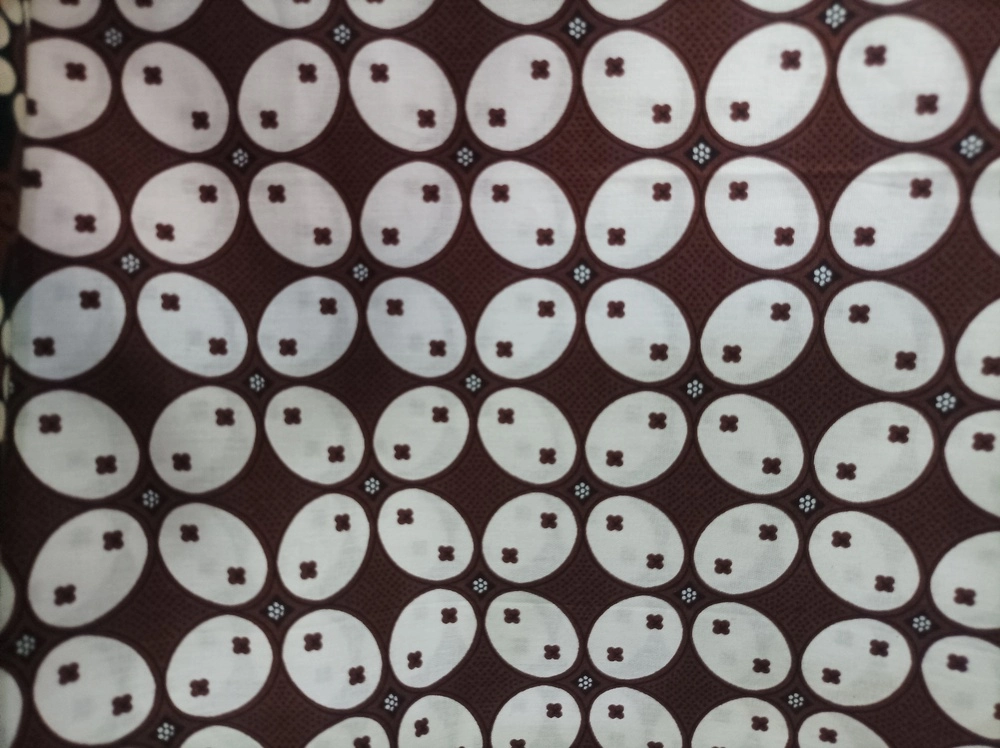
Batik Kawung is one of the oldest and most respected batik motifs originating from Yogyakarta. Its characteristic four oval shapes arranged in symmetrical patterns make it instantly recognizable. For the Javanese, especially those who live within the cultural sphere of the Yogyakarta Sultanate, this motif represents more than visual beauty. It is a symbol of ethics, purity, balance, and spiritual refinement.Historical Roots of the Kawung MotifHistorically, Kawung is classified as a motif larangan, or royal-restricted motif. This means that in the early days, the motif was worn only by members of the royal family, palace officials, or respected individuals within the court. The restriction was not intended to discriminate, but rather to honor the profound philosophical meanings embodied in this ancient design.Researchers believe that the Kawung motif originates from the shape of the sugar palm fruit, or kolang-kaling, which grows in clusters of four. The fruit has long been part of the daily life of Javanese communities, both as a source of food and as a cultural symbol. Other interpretations suggest that the motif represents the lotus flower, a symbol of purity and enlightenment that appears in many Asian cultures. Philosophical Symbolism of KawungThe beauty of the Kawung motif lies in its simplicity. Yet behind its repetitive oval shapes lies a wealth of philosophical meaning deeply embedded in Javanese life.1. Purity and Clarity of HeartIf associated with the lotus, the Kawung motif represents the ideal of maintaining purity despite living in a challenging world. Just as the lotus grows from muddy water yet remains clean and beautiful, humans are expected to preserve their moral integrity regardless of external circumstances.2. Balance and HarmonyThe four symmetrical ovals symbolize balance among the different aspects of life. Javanese philosophy emphasizes maintaining equilibrium between one’s thoughts, emotions, speech, and actions. A balanced life is believed to lead to inner peace and wisdom.3. Usefulness and GenerosityWhen linked to the sugar palm tree, the motif highlights the value of being useful to others. Nearly every part of the palm tree can be utilized for various purposes. This concept teaches the importance of contributing positively to family, community, and society.Kawung in Yogyakarta’s Cultural LifeIn Yogyakarta, the Kawung motif plays an important role in traditional clothing. It is commonly worn by palace attendants, cultural officials, and even traditional brides and grooms. The combination of Kawung patterns and traditional sogan colors, golden brown, black, and earthy tones creates an elegant and dignified appearance. Batik is not merely clothing in Javanese culture; it is a medium for expressing social etiquette and spiritual meaning. Because of its associations with purity and balance, Kawung is often chosen for formal and sacred occasions, reflecting respect for the values that the motif represents.Modern Transformations of KawungThough once restricted to royal use, Kawung has now become widely available and appreciated by people from various backgrounds. Designers from Yogyakarta continue to reinterpret Kawung in modern forms such as dresses, shirts, jackets, handbags, and accessories. Its minimalist geometric design makes it appealing to younger generations who seek a blend of tradition and contemporary style.Kawung also appears frequently in national fashion shows, cultural exhibitions, and international events. Its presence in the modern fashion scene helps preserve the cultural heritage of Yogyakarta while ensuring that batik continues to thrive in the global era.Kawung as a Timeless Symbol of Cultural IdentityBatik Kawung is more than a traditional pattern, it is a representation of the values that shape Javanese identity: purity, balance, wisdom, and usefulness.