









Bolaang Mongondow Traditional House
The traditional house of Bolaang Mongondow, known as “Banua,” is one of the most prominent cultural symbols of the Mongondow people who inhabit the Bolaang Mongondow region in North Sulawesi. This house is not merely a dwelling but a reflection of the community’s social structure, ancestral values, and philosophy of life.Historical and Cultural Meaning Banua has existed since the era of the traditional Bolaang Mongondow kingdom. Every part of the house represents the connection between humans, nature, and ancestors.
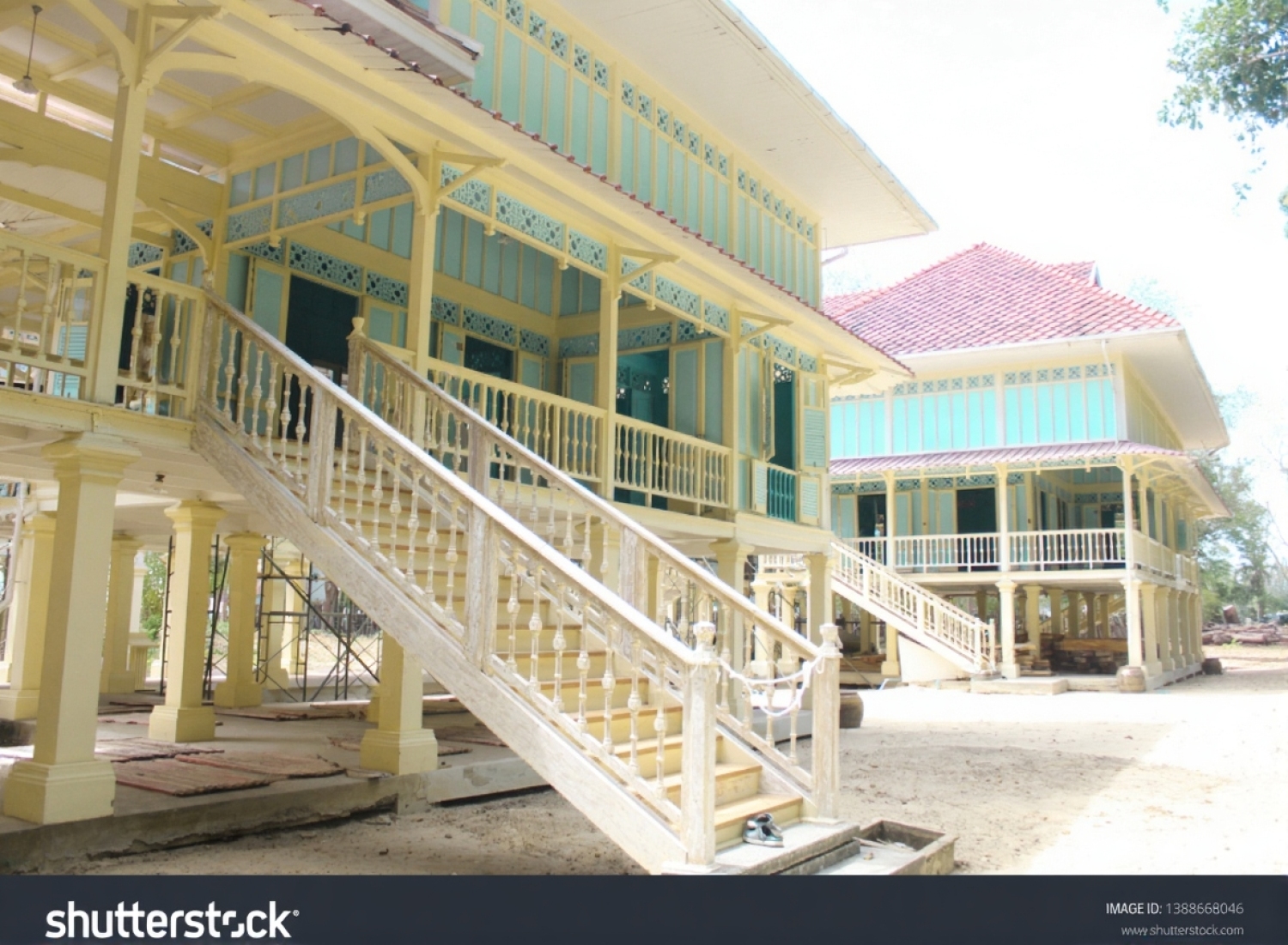
Originally reserved for nobles and community leaders, the Banua design is now widely embraced as a cultural identity marker for the Mongondow people.Architectural Characteristics of BanuaBanua has a unique architectural style that distinguishes it from other traditional houses in North Sulawesi.1. Raised Stilt StructureThe Banua is built on wooden stilts to:Protect the house from floods
Avoid wild animals
Improve airflow beneath the building
This reflects local wisdom adapted to the natural environment.2. Local Wood MaterialsCommonly used wood includes:Cempaka
Ironwood
Nangka wood
Coconut wood
These materials are chosen for their durability and availability.3. Simple Saddle-Shaped RoofThe roof, originally made of rumbia or palm fiber, resembles a saddle.
It symbolizes the modest lifestyle of the Mongondow people.4. Symmetrical Room LayoutA Banua typically features:Tambian (front terrace) as a guest area
Tonaas (main family room)
Bedrooms on both sides
Kitchen at the back
The layout emphasizes harmony and strong family relationships.5. Traditional CarvingsSome houses feature carved floral and animal motifs symbolizing:Fertility
Strength
Life
The house often has natural brown tones with touches of red or black.Social Functions of Banua Beyond being a home, the Banua is also used for:Birth ceremonies
Traditional weddings
Ancestral rituals
Community decision-making
It serves as a cultural hub and a symbol of family dignity.The Bolaang Mongondow Traditional House, or Banua, is a profound expression of the Mongondow people's heritage. Its sturdy architecture, cultural symbolism, and deep-rooted traditions make it an important cultural identity of North Sulawesi, worthy of preservation and appreciation by future generations.