


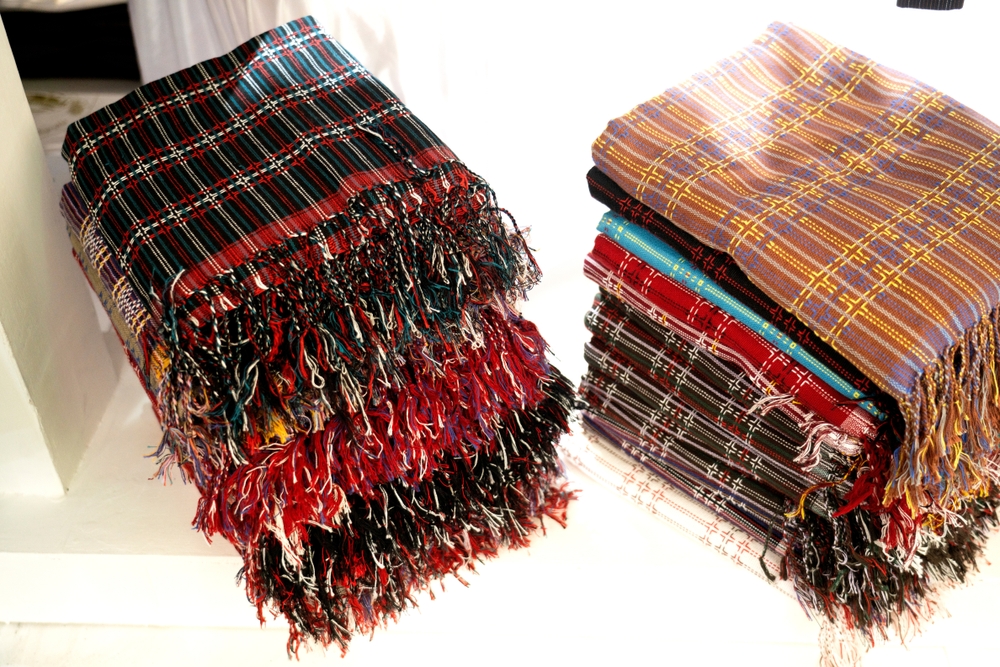
Ulos is one of the most important cultural heritages of the Batak people, especially in the Lake Toba region of North Sumatra. More than just a traditional garment, this handwoven textile carries deep cultural meaning related to life values, family relationships, and blessings.
In Batak tradition, ulos symbolizes warmth and affection. It is given to someone as a sign of love, protection, and good wishes. Because of this, ulos plays an important role in many traditional ceremonies, from births and weddings to funeral rituals.
The Meaning of Ulos and Its Symbolic Motifs
In Batak philosophy, human life receives warmth from three main sources: the sun, fire, and ulos. For this reason, ulos is often interpreted as a symbol of blessings and prayers.
During the weaving process, three dominant colors are commonly used: red, white, and black. Each color carries a distinct meaning. Red represents courage and the blood of life, white symbolizes purity, while black reflects strength and resilience.
Beyond color symbolism, ulos is also known for its distinctive motifs, each representing a particular philosophy of life. Here are several types of ulos and the meanings behind their motifs:
1. Ulos Ragidup
Ulos Ragidup is considered one of the most sacred types of ulos. It symbolizes life filled with hope and prosperity. Traditionally, this ulos is given by parents to newlyweds as a blessing for a harmonious and prosperous marriage.
2. Ulos Ragi Hotang
This ulos features a pattern resembling intertwined rattan, known locally as hotang. The motif symbolizes a strong and inseparable bond of love, which is why it is often used during wedding ceremonies.
3. Ulos Sadum
Ulos Sadum is recognized for its lively patterns and brighter colors. It symbolizes happiness, enthusiasm, and joyful family moments. This ulos is frequently worn during celebrations and weddings, often as a shawl known as hande-hande.
4. Ulos Sibolang
Ulos Sibolang features wave-like patterns that represent life’s challenges and struggles. It is also associated with mourning and respect. Usually dominated by dark blue or black tones, this ulos is used in funeral ceremonies as Ulos Saput (a covering for the deceased) or Ulos Tujung, which is given to widows or widowers.
5. Ulos Mangiring
Ulos Mangiring has repeating patterns that symbolize the hope for growing generations and a harmonious family life. This ulos is often presented to newly married couples or families who have just welcomed a child as a prayer for prosperity and fertility.
Related Article: Discover the Unique Batak Culture at These 5 Batak Museums Around
6. Ulos Bintang Maratur
The Bintang Maratur motif resembles rows of neatly arranged stars. It represents harmony within the family and the hope that children will grow up respectful and obedient to their parents. This ulos is often used during family ceremonies related to parent and child relationships.
7. Ulos Tumtuma
Considered a symbol of wisdom, ulos with the Tumtuman motif is often worn by respected elders in Batak communities. It reflects life experience, maturity, and thoughtful decision-making. During traditional ceremonies, this ulos signifies respect for community leaders who preserve cultural values and traditions.
What Is the Difference Between Songket and Ulos?
Both songket and ulos are traditional Indonesian woven textiles that hold strong cultural value. Although they may look similar, they differ in origin, materials, weaving techniques, and traditional functions.
- Cultural Origin
Songket comes from Malay traditions found in regions such as West Sumatra and Palembang. Ulos, on the other hand, originates from the Batak culture of North Sumatra.
- Materials and Colors
Songket typically uses silk threads combined with gold or silver threads, creating a luxurious and shimmering appearance with diverse colors. Ulos is generally woven from cotton threads and is dominated by red, black, and white tones.
- Weaving Technique
Songket is made using a supplementary weaving technique that inserts metallic threads into the fabric, resulting in a thicker and more decorative texture. Ulos is woven using cotton or natural fibers, making it lighter.
- Traditional Function
Songket is often worn as ceremonial attire during weddings or festive events to emphasize elegance and prestige.
Ulos, however, carries a deeper symbolic meaning in Batak tradition, representing blessings, love, and prayers in important life ceremonies such as births, marriages, and funerals.
Related Article: Huta Siallagan: Ancient Batak Village on Samosir Island
Where to Buy Ulos
If you would like to bring home ulos as a cultural souvenir, there are several places in North Sumatra where you can find authentic pieces.
1. Galeri Ulos Sianipar
This gallery is known as one of the popular souvenir centers in Medan that offers various types of ulos. Prices range from affordable pieces to more exclusive handmade textiles depending on their quality and craftsmanship. You can also see the traditional weaving process at this location.
2. Pasar Petisah and Pasar Sentral
For a wider selection, Pasar Petisah and Pasar Sentral in Medan are great places to explore. These traditional markets sell various ulos fabrics with different motifs, from simple designs to more intricate ones.
3. Kampung Ulos Huta Raja (Lumban Suhi-Suhi)
Located on Samosir Island, Kampung Ulos Huta Raja, also known as Lumban Suhi-Suhi, is one of the traditional ulos weaving villages.
Here, you can purchase ulos directly from local artisans while witnessing the weaving process that has been preserved for generations.
Outside North Sumatra, ulos can also be found in textile wholesale centers in Jakarta, such as Pasar Senen Jaya and Pusat Grosir Cililitan. These places offer various types of ulos suitable for traditional ceremonies, cultural collections, or souvenirs.
Interested in seeing the traditional ulos weaving process and learning more about Batak culture? Plan your trip with AI Plan Your Trip to design a journey that suits your interests and travel schedule.
Curious about cultural activities around Lake Toba or Medan City? You can also ask MaiA for quick recommendations and travel tips to make your trip even more memorable.