



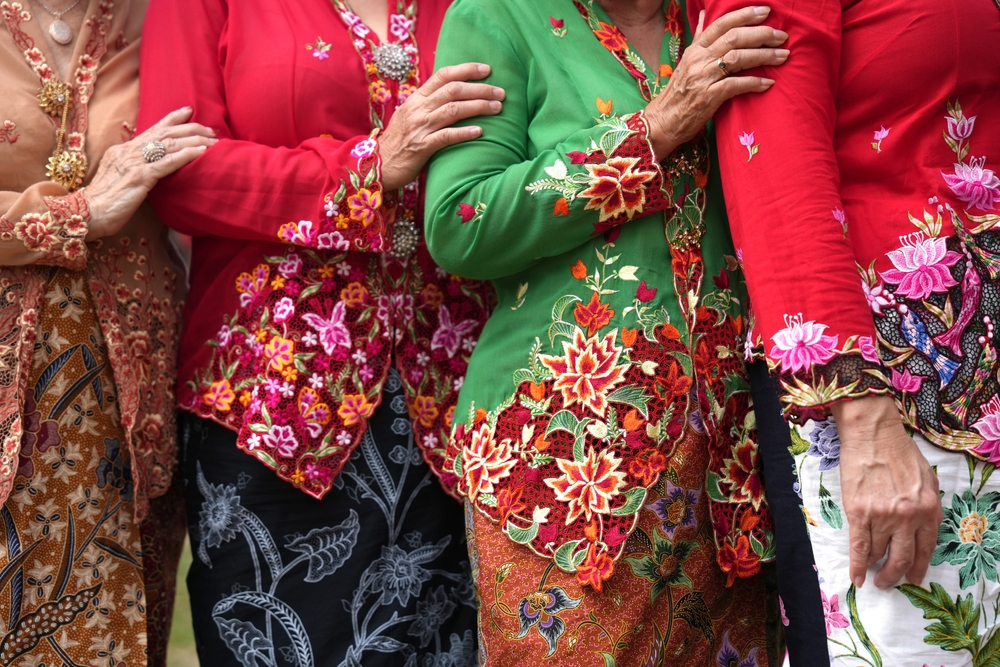
Kebaya, an elegant traditional garment rich in cultural meaning, was officially inscribed by UNESCO on the Representative List of the Intangible Cultural Heritage of Humanity in December 2024. This recognition was the result of a collaborative nomination by Indonesia, Malaysia, Brunei Darussalam, Singapore, and Thailand, reflecting a shared commitment to safeguarding and celebrating this cultural element at a global level.
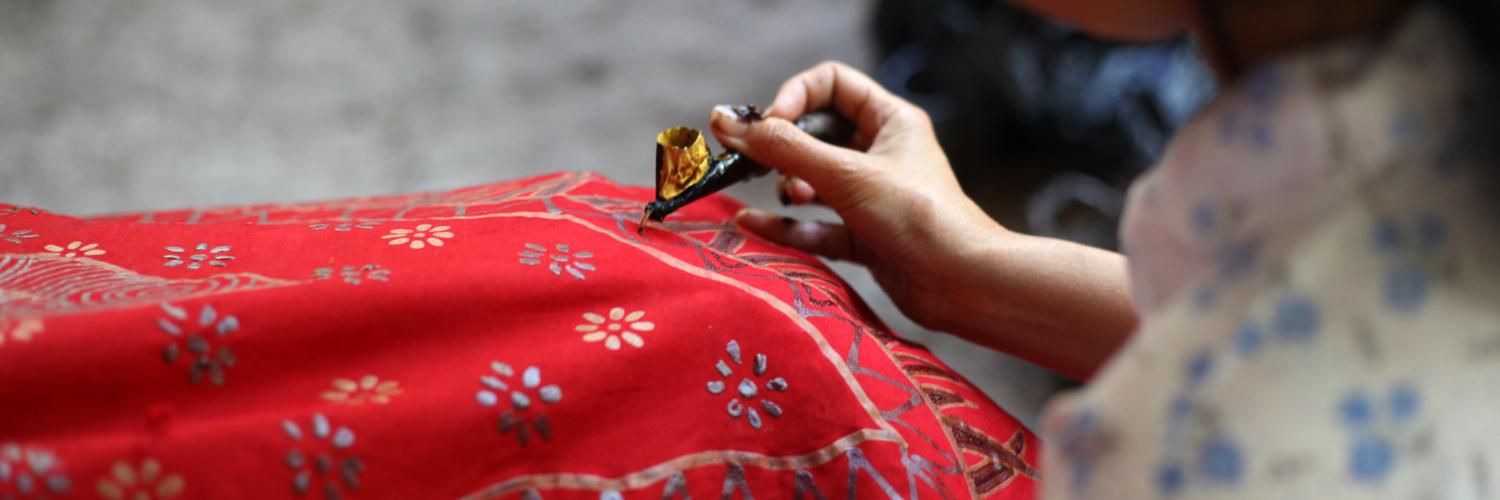
Kebaya is a traditional upper garment featuring a front opening, often adorned with intricate embroidery and decorative buttons or brooches. It comes in various lengths and is commonly paired with a sarong or batik cloth. The combination of refined design and skilled craftsmanship elevates kebaya beyond a mere item of clothing, transforming it into a powerful symbol of Southeast Asian cultural identity.
The Enduring Charm of Kebaya
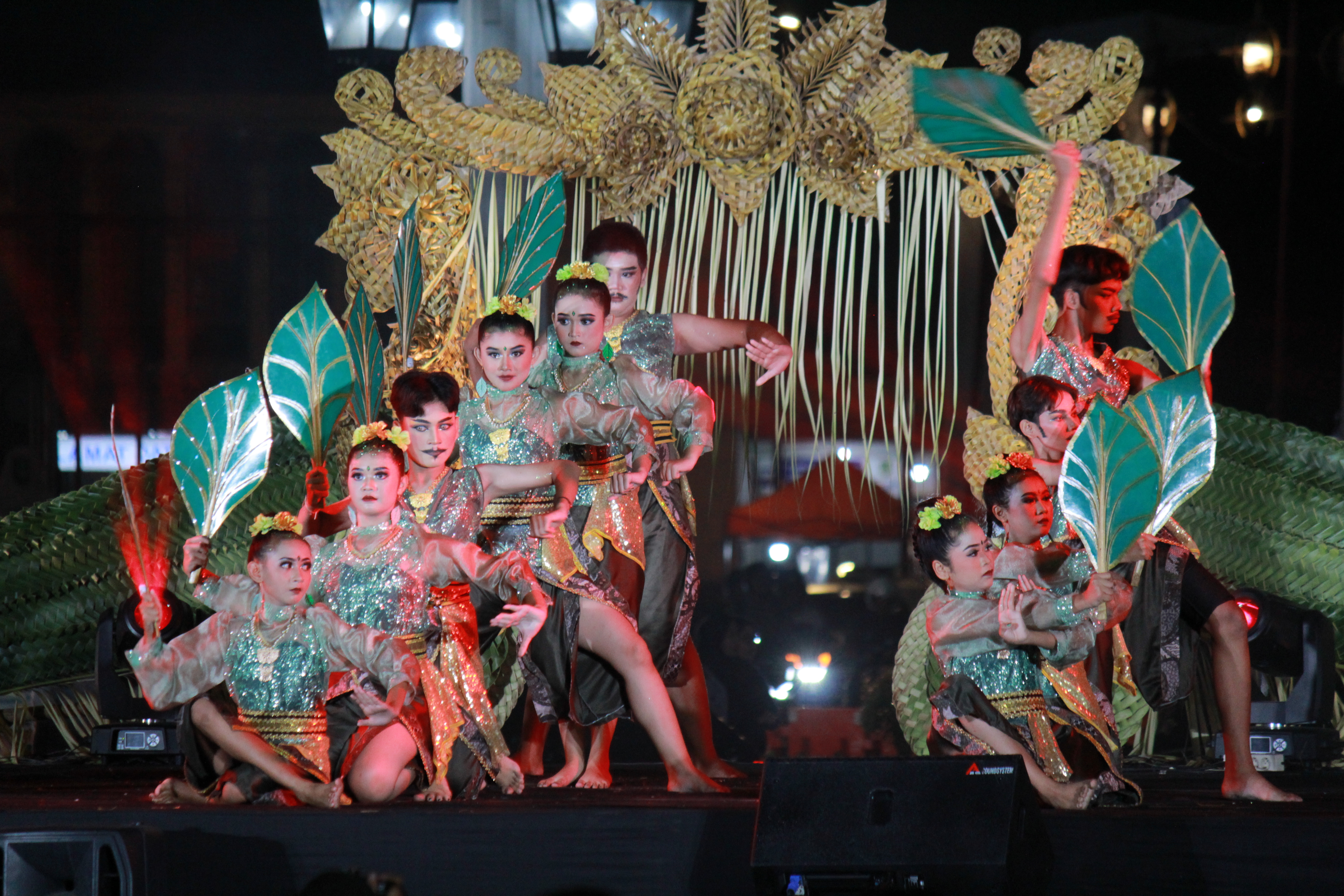
Kebaya is far more than just traditional attire. It represents history, artistry, and the social life of local communities. Today, kebaya continues to be worn in diverse cultural settings, including traditional ceremonies, cultural festivals, classical dance performances, and modern fashion showcases that blend classic aesthetics with contemporary design.
In Indonesia, kebaya remains widely used across various regions, including Solo in Central Java. Travelers visiting Solo can experience the living tradition of kebaya firsthand by learning directly from local artisans or cultural communities. Participating in workshops or cultural activities related to kebaya offers a meaningful and immersive travel heritage experience.
The Role of Kebaya in Indonesia
Within the Indonesian context, kebaya is commonly worn during important life events, ranging from wedding ceremonies and traditional rituals to formal occasions such as state events and cultural gatherings. Communities in Java, Sunda, Bali, and other regions continue to embrace kebaya as an integral part of their living cultural identity.
Beyond tradition, kebaya has evolved with time. Local designers have reinterpreted kebaya into more modern silhouettes, allowing it to be worn in everyday life as well as contemporary events. This ongoing adaptation demonstrates how kebaya continues to evolve without losing its cultural roots.
Regions in Indonesia Where Kebaya Is Still Worn
As a living cultural heritage, kebaya remains actively worn in many parts of Indonesia. For travelers interested in heritage tourism, the following regions offer authentic opportunities to witness kebaya within its original social and cultural context:
1. Central Java & Yogyakarta
Kebaya is traditionally worn by women during ceremonies, weddings, royal palace events, and community cultural activities. In Yogyakarta and Surakarta, it is also commonly seen in official functions and traditional performing arts.
2. West Java
Sundanese kebaya is worn during traditional ceremonies, cultural festivals, and local celebrations. Its simple cuts and soft color tones reflect values of modesty and elegance associated with Sundanese women.
3. Jakarta (Betawi Culture)
Kebaya encim serves as a cultural identity of the Betawi people and is still worn during traditional ceremonies, cultural celebrations, and tourism festivals in Jakarta. This style is known for its vibrant colors and distinctive embroidery influenced by cross-cultural interactions.
4. Bali
In Bali, kebaya is not merely traditional attire but part of daily religious life. Balinese women wear kebaya during prayers, temple ceremonies, and major religious festivals, making it an integral element of the island’s spiritual culture.
5. East Java
Kebaya continues to be worn in various traditional events, including weddings and regional cultural activities. Certain areas maintain distinct local styles that differ from those found in Central and West Java.
6. Madura
Madurese kebaya is characterized by bold colors and is worn during traditional ceremonies and cultural festivities, reflecting the strong and expressive character of the Madurese community.
7. Sumatra
Kebaya is used as part of women’s traditional attire, particularly in wedding ceremonies and customary events. It is often paired with songket fabric, symbolizing social status and the beauty of local cultural heritage.
A Timeless Cultural Legacy
The continued presence of kebaya across these regions demonstrates that it is not merely a relic of the past, but a living tradition that continues to thrive and evolve.
UNESCO’s recognition of kebaya is not only an honor but also a gateway for global travelers to explore the depth of Southeast Asian culture. For those seeking authentic cultural experiences or for lovers of traditional fashion, kebaya stands as a heritage icon that should not be missed when visiting Indonesia.