








Mee & Moni Wood Carving is a distinctive traditional art form from Papua that blends carving techniques, cultural symbolism, and a strong visual identity. More than decorative objects, these carvings serve as cultural narratives that reflect the daily life, beliefs, and heritage of the highland communities of Papua. Each pattern and figure represents values passed down through generations.
In recent years, Mee & Moni Wood Carving has gained broader recognition as an artistic representation of Eastern Indonesia. Its unique visual style and deep philosophical meaning have made it increasingly relevant in the creative world, while also strengthening its role as a cultural tourism attraction.
What is Mee & Moni Wood Carving
Mee & Moni Wood Carving originates from two ethnic groups in Papua’s central highlands: the Mee (also known as Ekari) and the Moni people. The carvings are typically made from local hardwoods such as ironwood or black wood, known for their dense texture and rich natural color.
The artwork features a variety of forms, including human figures, animals, and geometric patterns. Each motif carries symbolic meaning. Human figures often represent ancestors or guardians, while repetitive lines or spiral patterns symbolize life’s journey and the community’s connection to their ancestral land.
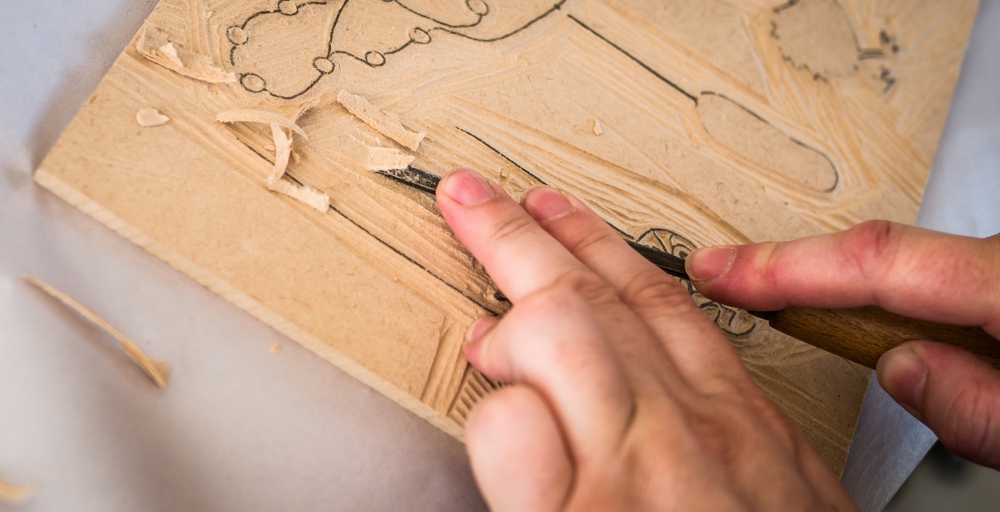
The strength of this art lies in its minimalistic yet meaningful craftsmanship. Most pieces are handcrafted using traditional chisels and carving tools, guided by skills passed through generations. Historically, these carvings were not made for decoration alone, but also served as ritual objects, ceremonial items, and markers of social identity.
History
The carving traditions of the Mee and Moni communities predate modern influences in Papua. Originally, carvings played a vital role in spiritual practices, including ancestor worship, rites of passage, and protective rituals. Skilled carvers were regarded as custodians of cultural knowledge, responsible for preserving the meaning behind each motif.
During the colonial era and early years of Indonesia’s independence, anthropologists and cultural researchers began documenting Papuan carving traditions. However, Mee & Moni Wood Carving continued to evolve organically through lived practice and oral heritage.
In the 21st century, this art form has experienced renewed appreciation through young artisans, community programs, and the growth of cultural tourism. Visitors increasingly seek to observe carving demonstrations and understand the symbolism directly from local craftsmen. Cultural institutions and regional governments have also started incorporating Mee & Moni Wood Carving into heritage preservation programs to ensure long-term continuity.
Mee & Moni Wood Carving stands as a powerful expression of Papuan cultural identity, craftsmanship, and worldview. As a tradition that has withstood generations, it offers an authentic cultural experience for travelers and remains an important asset in promoting Indonesia’s tourism. Preserving and developing this traditional art is essential not only for safeguarding heritage but also for supporting new generations of artisans who carry forward the legacy of their ancestors.