





The Prambanan Temple Compounds stand as one of Indonesia’s most magnificent cultural and spiritual landmarks. Located on the border between Yogyakarta Special Region and Central Java, this vast temple complex represents the height of ancient Javanese civilization. Its towering structures, intricate stone carvings, and profound spiritual meaning have made Prambanan a world-renowned heritage destination.
As a UNESCO World Heritage site, the Prambanan Temple Complex is more than just a historical relic; it is a space for education, cultural preservation, and a destination for sustainable tourism. Every corner of the temple holds stories of the beliefs, technology, and the life of Javanese society between the 8th and 10th centuries AD.
Historical Background of the Prambanan Temple Compounds
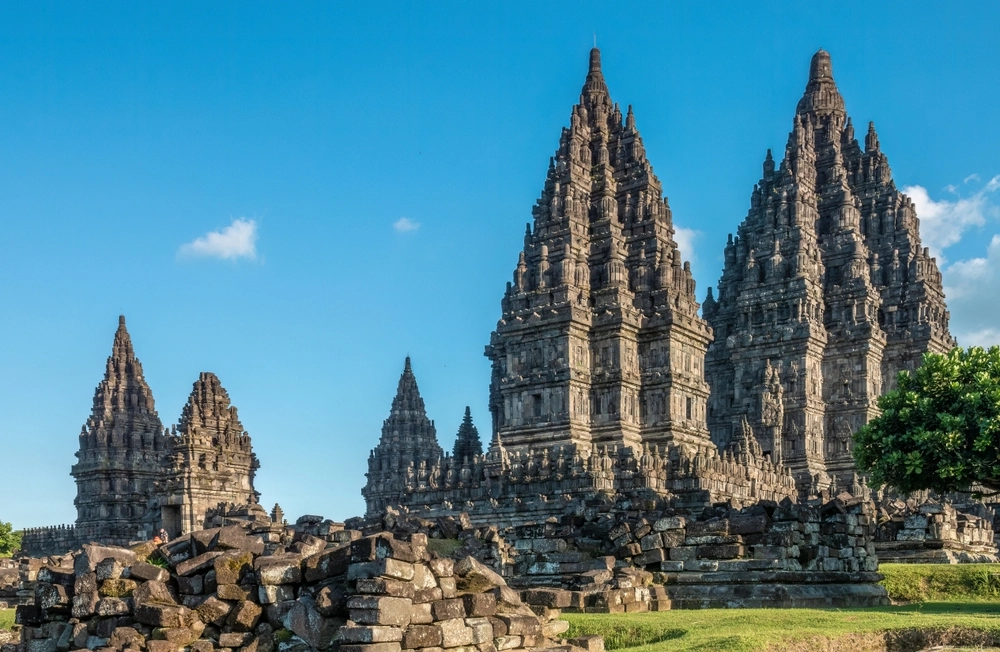
Built in the 10th century, the Prambanan Temple Compounds are the largest Hindu temple complex in Indonesia. The central area is dominated by three main temples dedicated to the Hindu Trimurti: Shiva, Vishnu, and Brahma. The Shiva temple, also known as Loro Jonggrang, is the tallest and most prominent structure within the complex.
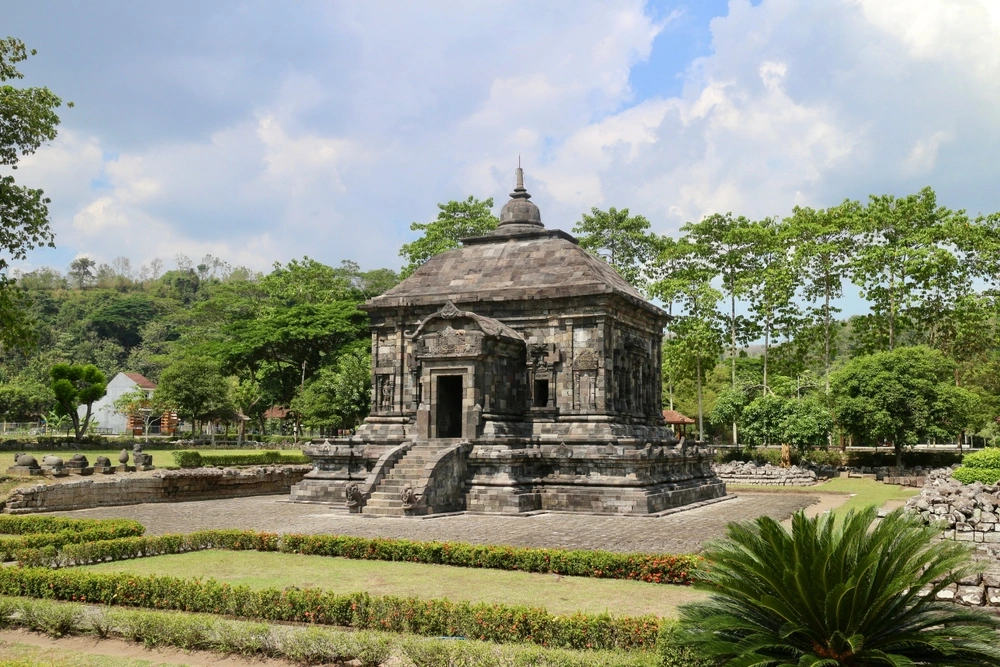
In addition to the Hindu temples, the site also includes Buddhist monuments such as Sewu Temple, Bubrah Temple, and Lumbung Temple. Sewu Temple, guarded by giant Dwarapala statues, is the largest Buddhist temple complex in Indonesia. The coexistence of Hindu and Buddhist temples within one archaeological park reflects a remarkable period of religious tolerance during the Sailendra and Mataram Kingdoms.
Originally consisting of more than 500 temples, many structures collapsed due to earthquakes, volcanic eruptions, and political changes in the early 11th century. Rediscovered in the 17th century, restoration efforts began in 1918 and continue today, carefully preserving the site’s authenticity.
Architectural Excellence and Cultural Significance
One of the most striking features of the Prambanan Temple Compounds is the Ramayana reliefs carved into the temple walls. These reliefs illustrate the Indonesian version of the epic with exceptional artistic detail and narrative depth, representing masterpieces of ancient stone carving.
Overall, the temple layout reflects Hindu cosmological concepts that depict the universe. Prambanan Temple can also be seen as a representation of life philosophy, spirituality, and the cosmic order within Hindu beliefs.
The site is protected under national heritage laws and managed through a zoning system that ensures long-term conservation.
Prambanan as a Tourist Destination
The Prambanan Temple Compounds are ideal for solo travelers seeking cultural depth, friends exploring heritage together, and families looking for educational travel experiences. Visitors can enjoy archaeological parks, museums, and the iconic Ramayana Ballet performance, making each visit enriching and memorable.
The Prambanan Temple Compounds has stood as a silent witness to a glorious civilization that remains resilient to this day. Its architectural beauty, philosophical depth, and the values of tolerance reflected within the complex make it an invaluable cultural heritage for both Indonesia and the world.
Through sustainable management and the participation of all stakeholders, the Prambanan Temple Compounds will continue to be a source of inspiration, learning, and national pride. Visiting Prambanan is a journey through the traces of history and cultural harmony, as well as a way to honor the noble heritage of the archipelago.