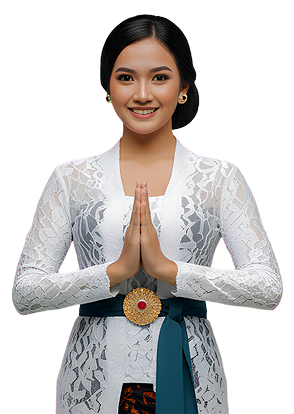


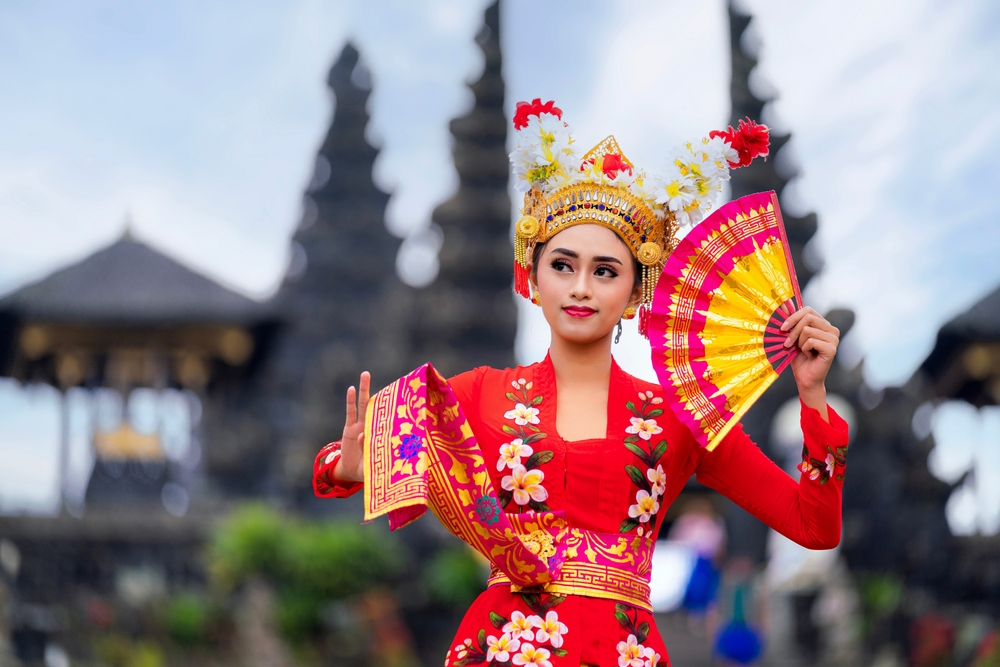
Traditional dance continues to be a captivating cultural attraction, as every movement holds deep meaning and unique philosophies from various regions across Indonesia.
For those looking to explore the richness of the archipelago's culture, the following list of traditional dances represents authentic heritage offering extraordinary uniqueness and historical value.
1. Saman Dance, Traditional Dance of the Acehnese People
The Saman Dance is a traditional dance from the Gayo highlands that has been documented since the 14th century. This dance is highly iconic due to its synchronized movements and fast-paced rhythm that mesmerize audiences.
Its main uniqueness lies in the perfect coordination of the dancers, creating a magnificent harmony, especially when performed celestially by thousands of participants on a single stage.
Originally, the Saman Dance served as a medium for Islamic proselytization (dakwah). Before it begins, a leader delivers an introduction (mukadimah) containing advice and profound moral messages for the audience.
The values embedded in its lyrics and movements include education, religion, courtesy toward others, heroism, cohesiveness, and togetherness. It remains a powerful symbol of the spirit of the Acehnese people.
2. Tortor Dance, The Pride of North Sumatra
The Tortor Dance is the pride of the North Sumatran people and is synonymous with the use of Ulos fabric. The name is derived from the "tor-tor" sound produced by the rhythmic thumping of the dancers' feet to the accompaniment of Magondangi music.
Generally, this traditional dance is performed during indigenous ceremonies or major events with a sacred purpose: to awaken the soul within, both for the dancers and those witnessing the procession.
Tortor dancers always wear Ulos and are accompanied by traditional Gondang instruments. Interestingly, each region in North Sumatra has variations in rhythm and the number of Gondang used, creating unique local styles.
The movements of this Indonesian traditional dance are relatively simple and easy for anyone to learn. Tourists are often invited to join in, allowing them to directly experience the thick atmosphere of Batak culture.
3. Serimpi Dance, The Elegant Dance of Yogyakarta
The Serimpi Dance is a classical Javanese traditional dance inherited from the Mataram Sultanate Palace in Yogyakarta. This dance features incredibly graceful movements and has undergone subtle modifications to remain engaging for modern audiences.
In the past, the Serimpi Dance was considered highly sacred and was only performed for internal palace rituals. Today, it has been adapted as a performing art for welcoming guests without losing the values of politeness and ethics typical of Yogyakarta.
The name "Serimpi" is rooted in the word impi or dream, describing the sensation of the audience being carried away by the dancers' elegant movements as if they were in a peaceful and beautiful subconscious state.
The dance is performed by four dancers, each representing a fundamental element of nature: fire (grama), air (angin), water (toya), and earth (bumi), creating an authentic atmosphere.
Related Article: The Dramatic Kecak Dance: Episode Taken from the Ramayana Epic Poem
4. Kecak Dance, Bali’s Vocal-Based Traditional Dance
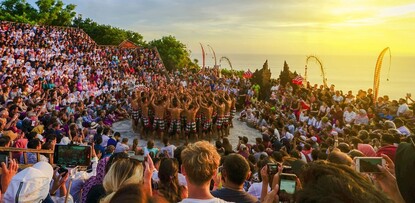
The Kecak Dance is one of Bali's most iconic dances, performed by dozens of men sitting in a circle. This dance offers exoticism and immense energy that evokes the spirit of the spectators.
Philosophically, the Kecak Dance tells the story of the monkey army that aided Rama in the Ramayana epic. Beyond being a performance, it serves as a medium of spiritual communication with God and ancestral spirits.
The main uniqueness of this dance is the use of the dancers' voices as the primary rhythm through the rhythmic chanting of "cak." This compact vocal harmony creates beautiful music without the need for a full instrumental ensemble.
The tempo is set by a simple percussion instrument. Every spirited movement in the Kecak Dance provides a memorable audio-visual experience. Have you ever watched it live at Uluwatu Temple?
5. Caci Dance, The War-Themed Dance of Flores
The Caci Dance is the pride of the people of Flores, East Nusa Tenggara, featuring heroic gestures resembling warfare. Although it looks like a fight, this traditional dance is actually a form of gratitude after the harvest season.
Generally, this dance is performed to celebrate significant moments, such as successful harvests, health milestones, or village inaugurations. Each performance has movement details tailored to its specific purpose.
Dancers wear traditional attributes such as larik, nggiling, koret, and panggal. They also wear protective clothing consisting of white trousers and a black songke sarong wrapped around the waist.
The combination of tactical movements and the dancers' power makes the Caci Dance a thrilling and spirited performance. Travelers can feel the essence of bravery and local wisdom through this attraction.
6. Poco-Poco Dance, Maluku’s Popular Traditional Dance
The Poco-Poco Dance is a traditional dance from Maluku that has gained national popularity. With its catchy rhythm and energetic moves, this dance always succeeds in inviting everyone to sway along.
Its popularity is driven by its movements, which are easy for people of all ages to follow. This has made Poco-Poco a staple at community events and a fun form of group exercise.
Beyond being cultural heritage, Poco-Poco is an excellent alternative for routine exercise to maintain fitness. Its active movements help blood circulation and boost the mood.
By regularly dancing the Poco-Poco, you don't just get physical health benefits, you also participate in preserving authentic Indonesian culture so it remains vibrant for future generations.
7. Piring Dance, The Plate Dance of West Sumatra
The Piring Dance (Plate Dance) is a traditional dance from Solok, West Sumatra, featuring a unique attraction using plates as the primary property. It symbolizes the Minangkabau people's gratitude for a bountiful harvest.
Its main uniqueness lies in the technique of the dancers swinging plates in their palms with fast and agile movements without dropping them. Rings tapping against the plates create a distinctive and harmonious rhythm.
At the end of the performance, dancers usually perform the feat of dancing on shards of broken glass. Despite stepping on sharp fragments, they remain uninjured, adding a magical and mesmerizing element to the show.
Today, the Piring Dance is performed in traditional ceremonies, weddings, and guest welcomes. It continues to be preserved as a symbol of cultural pride for the Minangkabau community.
Related Article: Angklung as an Indonesian Music Heritage that Goes Global
8. Jaipong Dance, The Dynamic Dance of West Java
The Jaipong Dance is an iconic traditional dance from West Java, born from the creativity of artists combining elements of Ketuk Tilu, Tari Banjet, and Pencak Silat. It is known for its dynamic, agile, and cheerful movements.
The uniqueness of Jaipong lies in the "geol," "gitek," and "goyang" techniques, which showcase the dancer's flexibility and dexterity. These movements are always synchronized with the dominant beat of the kendang (drum).
Since its inception, this dance has become the cultural identity of the Sundanese people. Jaipong is frequently performed to liven up folk parties, weddings, and major art festivals.
Beyond entertainment, Jaipong symbolizes the character of West Javanese people that is friendly, open, and resilient. Preserving this dance means maintaining the spirit of togetherness and invaluable performing arts.
9. Hudoq Dance, The Dayak Ritual of East Kalimantan
The Hudoq Dance is a traditional ritual dance of the Dayak people in East Kalimantan. It features iconic large wooden masks symbolizing protective spirits and costumes made of banana leaf strips.
Philosophically, the Hudoq Dance is performed as part of a thanksgiving ritual and a prayer for the upcoming planting season. The community believes this dance can ward off pests and bring fertility for a bountiful harvest.
Its uniqueness lies in the rhythmic head movements mimicking birds, accompanied by the sounds of gongs and tubun. A mystical yet festive atmosphere always surrounds every performance held in open village areas.
To this day, the Hudoq Dance remains a highly guarded heritage, reflecting the harmonious relationship between humans, nature, and ancestors. Its exotic visual appeal often makes it the center of attention at cultural festivals.
10. Kipas Pakkarena Dance, The Graceful Fan Dance of South Sulawesi
The Kipas Pakkarena Dance is a traditional dance from Gowa, South Sulawesi. It symbolizes the elegance of local noblewomen and serves as a highly respected cultural identity of the Makassar people.
The uniqueness of this traditional dance lies in the graceful use of fans by female dancers dressed in the traditional Baju Bodo. The rotating and swaying fan movements create a beautiful and serene visual.
Philosophically, this dance depicts the human life cycle and reflects the nature of Makassar women, obedient, polite, and loyal. The slow, consistent movements symbolize patience and steadfastness in facing life's challenges.
The fast rhythm of the ganrang (drums) contrasts with the dancers' slow movements, creating a unique harmony. This blend represents the balance between the dynamics of life and the tranquility of the soul.
Related Article: Discover the Unique Batak Culture at These 5 Batak Museums Around Lake Toba
Explore and Enjoy the Uniqueness of Indonesian Traditional Dances
Indonesian traditional dances can be witnessed firsthand in their respective provinces, especially during cultural events or festivals. Therefore, it is essential to know when these events take place.
Visit various provinces in Indonesia to experience these festivals while on vacation. Use the AI Plan Your Trip feature to get an itinerary that matches your interests, time, and travel style.
If you need extra inspiration, MaiA is ready to accompany you and answer all your questions about destinations, activities, and travel tips in Indonesia. Let’s explore Indonesia through its incredibly diverse traditional dances!