




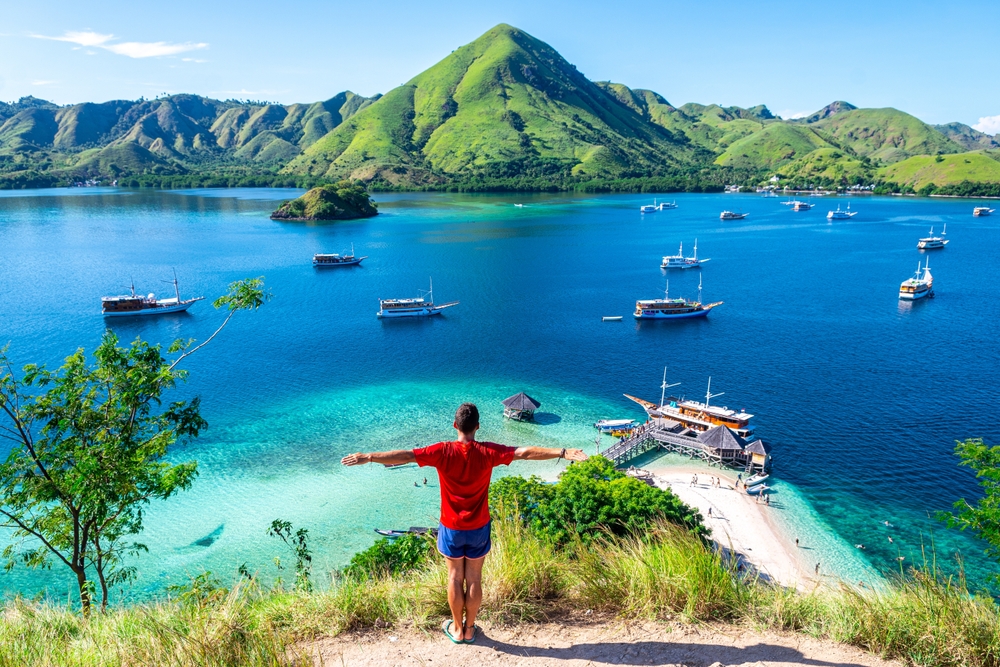
Komodo National Park is an Indonesian tourism gem that offers breathtaking prehistoric natural beauty. Located in East Nusa Tenggara, this area is a dream destination for adventurers wishing to see ancient dragons in their natural habitat.
Beyond the Komodo dragons, the park showcases spectacular landscapes ranging from savanna hills to world-class marine wealth. Its natural uniqueness earned it a status as a UNESCO World Heritage Site, making it a must-visit destination once in a lifetime.
What is Komodo National Park?
Komodo National Park is a conservation area situated between the provinces of East Nusa Tenggara and West Nusa Tenggara. The region consists of three major islands—Komodo, Rinca, and Padar—along with dozens of other enchanting small islands.
This area is the original habitat of the Komodo dragon (Varanus komodoensis), the largest lizard in the world that cannot be found anywhere else on Earth. In addition to its terrestrial fauna, the park protects some of the richest underwater ecosystems in the world.
UNESCO designated this area as a World Heritage Site and Biosphere Reserve in 1991. This recognition strengthens its status as a destination that offers a blend of conservation education and natural beauty.
Visitors can enjoy a mix of arid savanna landscapes, lush green hills, and rare pink sand beaches. The experience of exploring these islands provides an unforgettable sense of adventure for every visitor.
A Brief History of Komodo National Park
Komodo National Park was established on March 6, 1980, with the primary goal of protecting the increasingly endangered Komodo dragon habitat. Over time, the protection focus expanded to include all biodiversity, both on land and in the water.
Before becoming a global tourist destination, the islands in this area were inhabited by local people who lived side-by-side with the ancient dragons. The existence of the Komodo dragons began to draw international attention in the early 20th century after the first scientific reports were published.
In 1991, international recognition surged when UNESCO named the area a World Heritage Site. This status encouraged the strengthening of conservation management and strict monitoring of human activity for the preservation of the fragile ecosystem.
Today, Komodo National Park has evolved into one of Indonesia’s world-class priority tourist destinations. Preservation efforts continue with the involvement of local communities so that this natural wonder remains protected for future generations.
Related article: 10 Island Hopping Adventures for Your Extra Vitamin Sea in Komodo National Park
10 Reasons Why You Must Visit Komodo National Park
Why is Komodo National Park a mandatory visit? There are many reasons that will make your adventure to this national park exciting and memorable, including:
1. See the Komodo Dragons Up Close
With an average length of up to 3 meters and weighing over 70 kg, the Komodo dragon is the largest lizard in the world. This dragon is a fierce predator capable of consuming up to 80% of its body weight in a single meal, preying on everything from deer to water buffalo.
Tourists are strongly advised to always maintain a safe distance, stay vigilant, and must be accompanied by an official ranger at all times when near these animals.
2. Climate and Geographical Factors
Komodo National Park has one of the driest climates in Indonesia, with a long dry season lasting nearly 8 months. Daily temperatures during the dry season (May–October) can average 40°C, creating a landscape of rocky hills dominated by savannas and shrubs.
Conversely, its waters are incredibly unique, rich, and colorful. This is because the national park is located at the heart of the Asia-Pacific Coral Triangle.
3. Land and Marine Fauna
Besides the Komodo dragons, this national park is home to various other exotic animals such as Timor deer, wild buffalo, wild boar, and the orange-footed scrubfowl.
Underwater, the biodiversity is even more stunning, with over 1,000 species of fish and 70 types of sponges. You can encounter dolphins, whales, dugongs, green sea turtles, and giant manta rays that frequently pass through these waters.
4. Dynamic Diving Spots
There are at least 100 world-class diving spots scattered around Rinca, Komodo, and Padar Islands. This area is famous for its strong currents and whirlpools that bring nutrients from the Indian Ocean, creating a highly fertile underwater ecosystem.
Due to the challenging current conditions, divers are highly recommended to use the services of experienced dive operators and prioritize safety to ensure a safer and more comfortable diving agenda.
5. Hiking on Padar Island
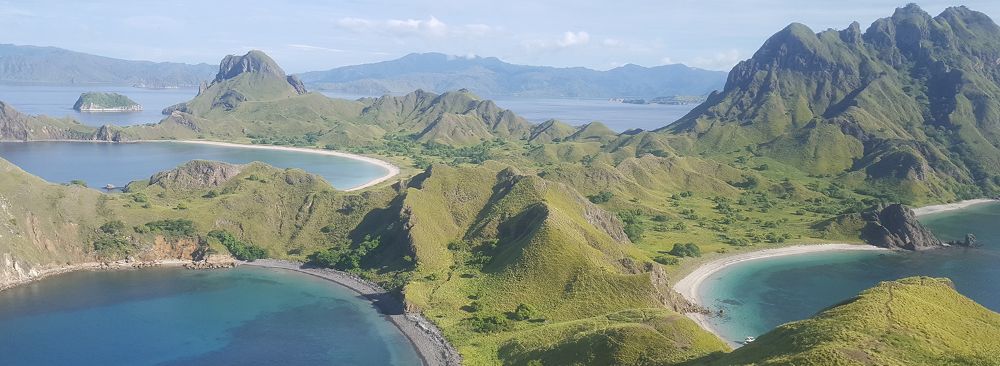
The landscape of Padar Island offers unparalleled beauty, making it the best place for hiking and photography. From its highest peak, you will be treated to a spectacular view of four crescent-shaped shorelines.
The hike to the summit of Padar Island takes approximately 2 to 3 hours, so ensure you bring drinking water and sunscreen, and wear comfortable shoes and clothing.
6. Pink Beach on Komodo Island
The unique pink hue of this beach's sand comes from degraded red coral mixed with pristine white sand. Known as Pink Beach, this location is one of only seven beaches in the world that possess a natural pink color.
In addition to its breathtaking scenery, Pink Beach also offers an incredible snorkeling spot with hundreds of coral species and tropical fish. Enjoy the eye-catching uniqueness of this rosy shoreline.
7. Traditional Village on Mesa Island
Mesa Island is a destination where you can witness firsthand the traditional life of the Bajo tribe, the renowned sea nomads. In this fishing village, you can observe residents drying sea cucumbers and processing seafood in front of their stilt houses.
The hospitality of the locals and the cheerful nature of the children there often become sweet and memorable highlights for travelers.
8. Snorkeling on Kanawa Island
Tourists come to Kanawa Island to relax and enjoy the crystal-clear seawater. The marine life here is so abundant that you can see coral reefs and beautiful fish even from the top of the pier.
Keep in mind that the internet signal on this island is quite weak and transactions are conducted in cash, so ensure you bring enough physical currency.
9. Sunset at Kalong Island
The island's name is taken from the thousands of giant fruit bats (kalong) that inhabit its mangrove forests. As dusk arrives, visitors are treated to a natural spectacle: thousands of bats flying out of the island in a mass migration against the backdrop of an orange sky.
The sound of flapping wings and the noise of the bat colony create a unique and beautiful memory for anyone watching from the deck of a boat.
10. Spotting Komodo Dragons on Rinca Island
Rinca Island is a "wilder" and more natural location to see Komodo dragons because its trails are less crowded with visitors. At the Loh Buaya camp site, dragons can often be seen wandering around as soon as you step off the pier.
Since the Komodo dragons on this island are known to be quite aggressive, it is mandatory to hire an experienced ranger and prepare breathable clothing for the hot weather.
Related article: Adventure Sailing the Komodo Islands
How to Get to Komodo National Park
The main gateway to the park is through Labuan Bajo. From Jakarta, Surabaya, or Bali, you can take a direct flight to Komodo International Airport, lasting between 1.5 to 2.5 hours.
Upon arriving in Labuan Bajo, the journey continues by renting a boat. You can choose a speedboat (about 1 hour) or a Phinisi boat for a "liveaboard" experience staying overnight at sea.
For sea adventure lovers, there are ferry options from Bali or Lombok that take several days. However, air travel remains the most practical and efficient choice for most tourists.
Tips for Visitors
If you are planning to visit Komodo National Park, when is the best time to go? Here are several tips you should know before embarking on an adventure to this exotic island:
- Best Time to Visit: Visit between April and June when the hills are still green, or September to November for clear weather. Avoid July and August to skip the peak holiday crowds.
- Safety Rules with Dragons: Always walk in groups and follow ranger instructions without exception. Do not make sudden movements or shout. Women who are menstruating must inform the guide for safety reasons.
- Essential Gear: Use comfortable trekking shoes for rocky terrain. Bring sunscreen, a hat, sunglasses, and enough water to handle the scorching daytime heat.
- Safety and Security: Respect the ecosystem by not feeding wildlife or littering. Ensure you are in good physical condition and have travel insurance for diving or hiking activities.
Related article: Top Spots to shoot Spectacular Photos in Komodo National Park
Adventuring to Komodo National Park certainly requires proper travel planning. To stay on track, you can utilize the AI Plan Your Trip feature to create an itinerary tailored to your time, interests, and travel style.
Additionally, the MaiA feature is ready to accompany your adventure when visiting this national park. You can engage in Q&A or get quick recommendations for various selected destinations, including those you may have never visited before.