








Sangihe–Talaud Traditional House
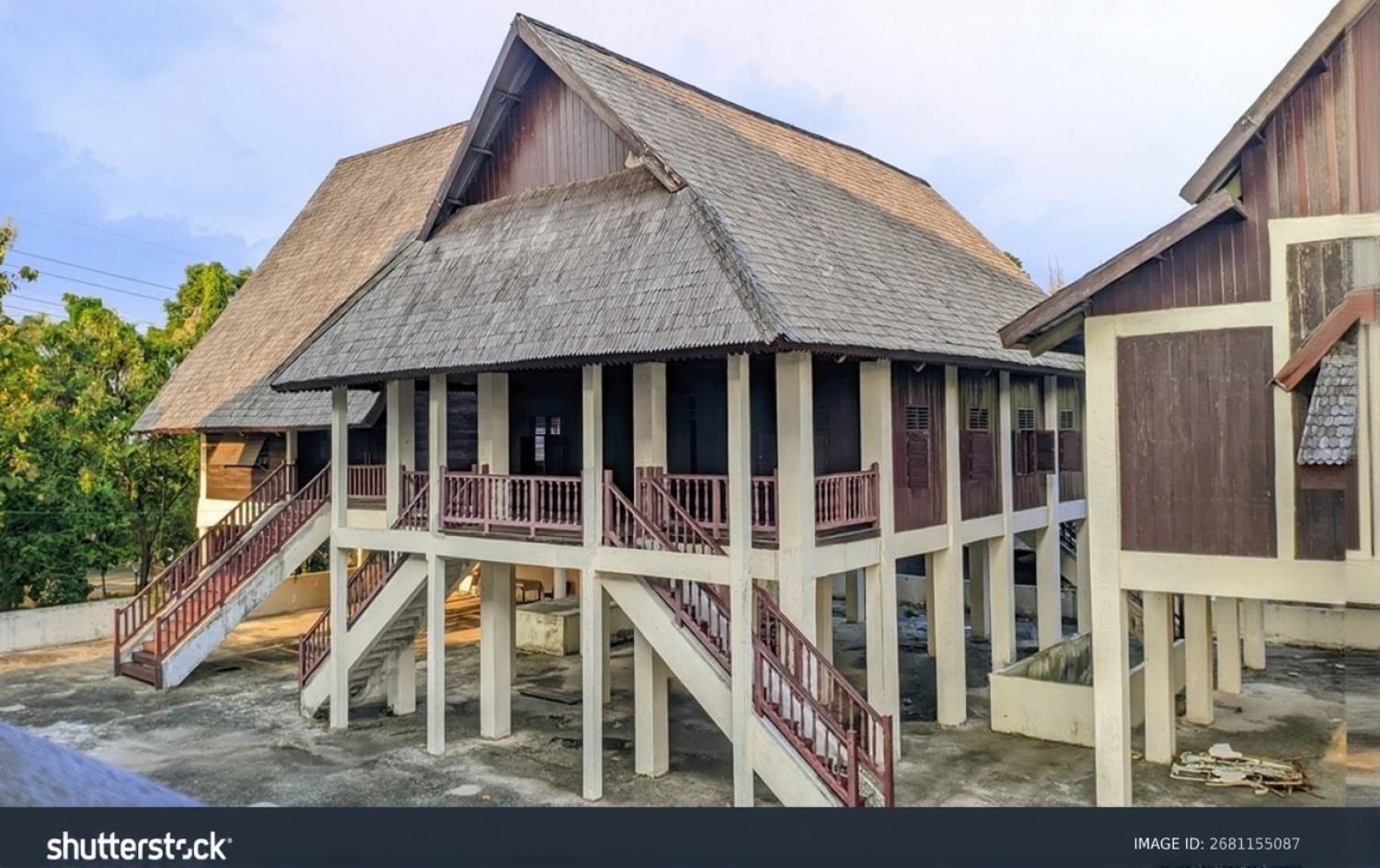
The Sangihe–Talaud Islands, located at the northern edge of North Sulawesi, are known for their maritime culture and close relationship with the sea. One of the region’s most important cultural heritages is the Sangihe–Talaud Traditional House, commonly called “Balay.” This house reflects centuries of adaptation to the island environment, strong winds, heavy rain, and coastal conditions.Cultural and Historical Meaning of the BalayThe Balay has existed for generations as a symbol of harmony between humans and nature. Built based on the collective experience of coastal communities, the house represents resilience, kinship, and the social structure of Sangihe–Talaud society.It also served as a residence for families as well as a venue for rituals, meetings, and important communal activities.Architectural Features of the BalayBalay has distinctive architectural elements that differentiate it from mainland traditional houses in North Sulawesi.1. Stilt House StructureThe Balay is built on strong wooden stilts, providing protection from:High tides
Coastal floods
Wild animals
Humid or sandy ground
Wood materials commonly used include nangka wood, cempaka, and coconut wood.2. Rumbia Roof Resistant to Strong WindsThe roof is traditionally made from layers of rumbia or nipa leaves.
Its advantages:Withstands coastal winds
Keeps the house cool
Eco-friendly and easy to source
While modern materials like metal sheets are sometimes used today, the original shape remains iconic.3. Longhouse LayoutA Balay usually has:A front living room
A central family area
Bedrooms on both sides
A kitchen at the back
This layout reflects the communal lifestyle of island communities.4. A Small Front StaircaseA small staircase at the entrance symbolizes hospitality and serves as the main access point.5. Wind-Resistant ConstructionDue to the region’s exposure to tropical storms, Balay construction uses flexible joinery:Wooden pegs instead of nails
Movable wooden panels
Flexible stilts that withstand strong winds
This is a clear example of indigenous architectural ingenuity. Social Functions of the Balay The traditional house serves as:A home for extended families
A place for traditional ceremonies
A venue for meetings and discussions
A symbol of prestige and ancestral heritage
In some villages, Balay also stores sacred ancestral items.The Sangihe–Talaud traditional house, or Balay, is a testament to the resilience and wisdom of island communities in North Sulawesi. With its stilt structure, flexible construction, and cultural symbolism, the Balay stands as an important identity marker for the people of Sangihe–Talaud.This architectural heritage deserves appreciation and preservation as part of Indonesia’s diverse cultural landscape.