

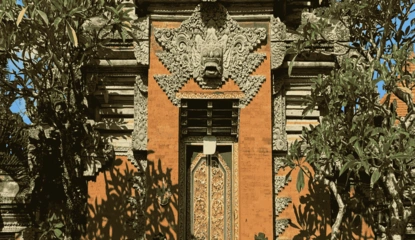
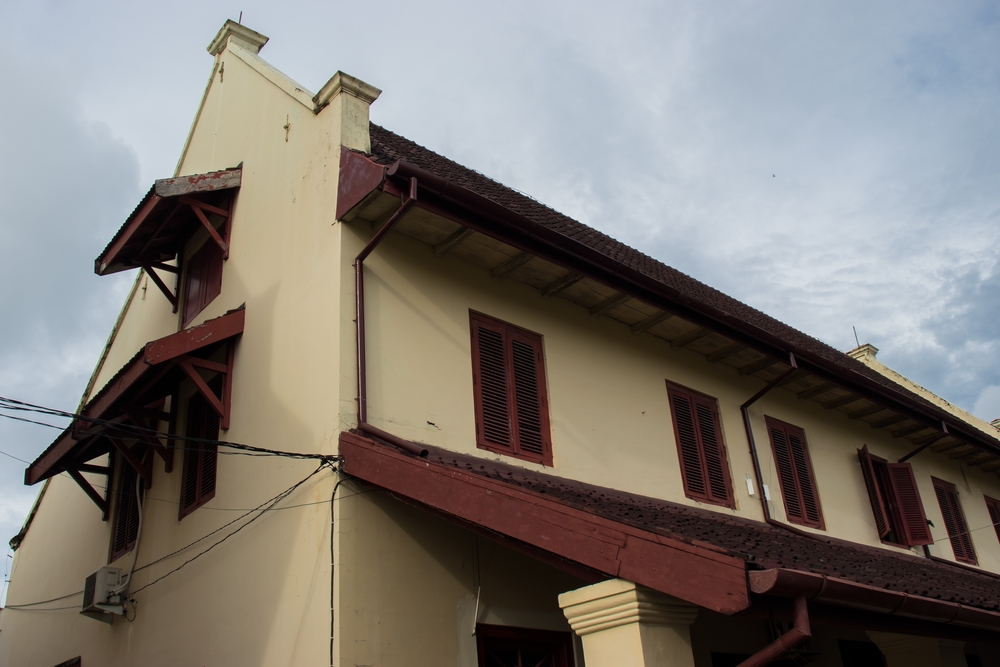
Museum Karst and Culture stands as an educational and preservation space that connects natural wealth with cultural heritage in Pangkajene and Kepulauan Regency, South Sulawesi. The museum serves not only as a knowledge center about karst landscapes but also as a symbol of local commitment to environmental conservation and sustainable development.
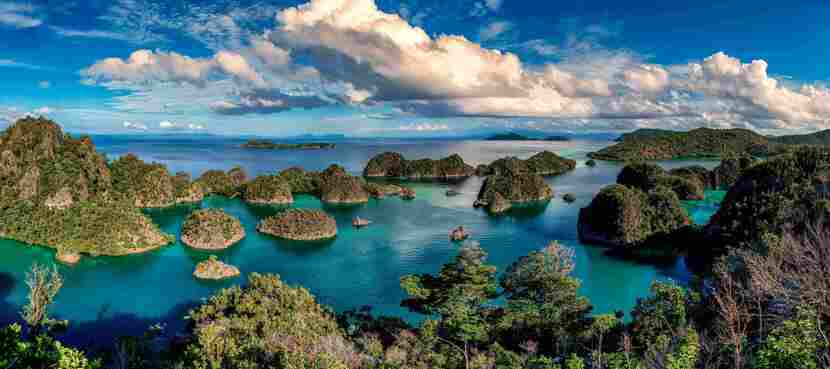
Located in a region known for one of the largest karst landscapes in Indonesia, Museum Karst and Culture acts as a gateway for visitors to understand the significance of the Maros–Pangkep Karst Area. Through an educational approach, the museum introduces the interconnection between nature, culture, and local identity.
History of Museum Karst and Culture
Museum Karst and Culture was officially inaugurated on April 5, 2005, by the Indonesian Minister of Environment, Rachmat Witoelar. Its establishment is closely linked to the Maros–Pangkep Karst Area, which has been designated as a National Geopark and is considered one of the largest karst regions in the world.
On November 22, 2008, the museum was formally designated as a Karst and Culture Museum by the Regent of Pangkep, Syafruddin Nur, strengthening its role in integrating environmental preservation with cultural education.
Museum Karst and Culture is a specialized museum focusing on karst ecosystems and their relationship with local culture. It is owned by the Government of Pangkep Regency and managed by the Department of Tourism and Culture of Pangkep Regency. In terms of classification, the museum is currently listed as not yet meeting national standards, with strong potential for future development.
Museum Type and Category
As a specialized museum, Museum Karst and Culture highlights specific themes related to karst geology and cultural traditions. Its classification as a museum that has not yet met standard requirements indicates opportunities for growth in management, facilities, and collections.
Roles and Functions
The museum serves three main functions: as a center for karst-related flora, fauna, and cultural information; as a research and knowledge development hub; and as an information and activity center supporting public education and environmental awareness.
Museum Collections
At present, Museum Karst and Culture has not officially recorded its collection inventory. Nevertheless, the museum continues to function as an educational space that conveys knowledge about karst and local culture through interpretive materials and thematic presentations.
Vision and Mission of Museum Karst and Culture
The vision of Museum Karst and Culture is to realize “Pangkep ter-CAKEP”—a community that is characterized, intelligent, trustworthy, creative, empathetic, and courageous—through museum-based education and cultural engagement.
The museum’s missions include fostering cultural intelligence through learning programs, nurturing integrity from an early age, encouraging creativity, strengthening cultural empathy, and reviving local identity through museum-based historical initiatives.
Museum Karst and Culture is more than an exhibition space; it is a learning center that bridges science, culture, and environmental stewardship. Its presence reinforces Pangkep’s position as a region with globally significant geological and cultural heritage.
As an educational tourism destination, Museum Karst and Culture is ideal for students, families, researchers, and travelers seeking meaningful insights into the relationship between humans and nature. The museum plays a vital role in preserving karst landscapes and cultural values for future generations.