


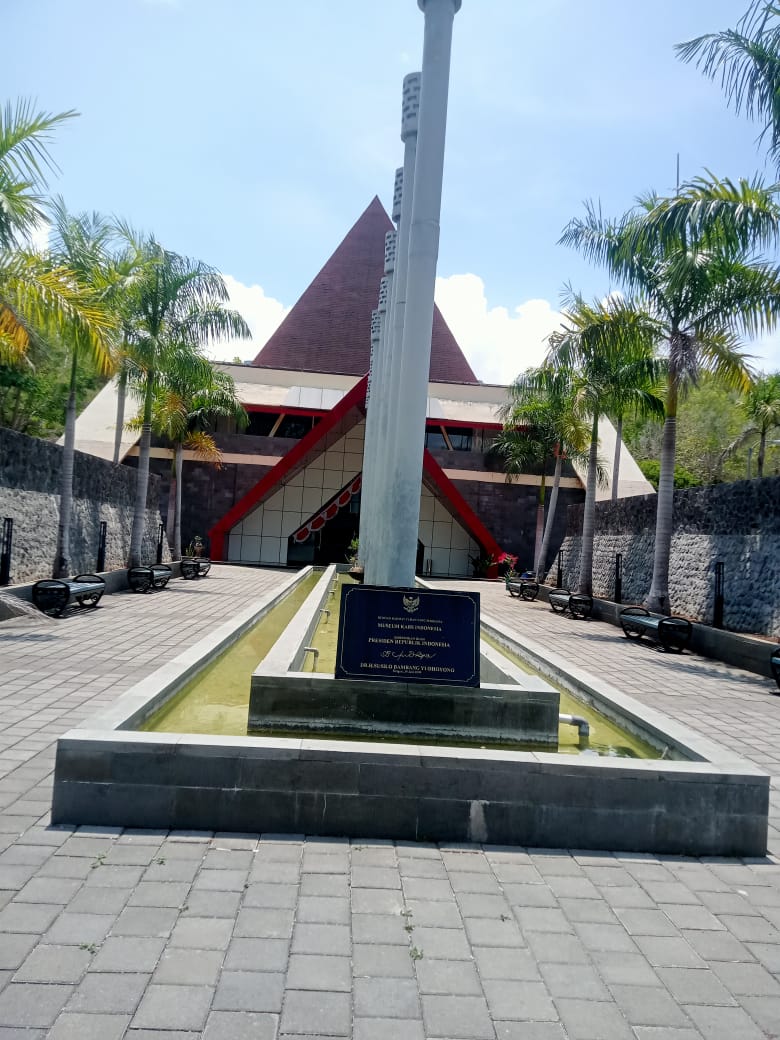
Museum Karst Indonesia: Exploring Karst Geology & Public Education
Museum Karst Indonesia is a specialty museum registered in the National Museum Registry and part of the Museum Indonesia network. It is located in Gebangharjo Village, Pracimantoro District, Wonogiri Regency, Central Java, and serves as an educational center offering information about karst geology, including how karst landscapes form, their distribution, and their ecological and economic significance.
What Is Museum Karst Indonesia?
The Museum focuses on karst — a type of landscape formed from the dissolution of soluble rocks such as limestone and dolomite. It showcases educational content that explains geological processes behind karst formation, their environmental importance, and presence throughout Indonesia.
Situated near the internationally recognized Geopark Gunung Sewu, Museum Karst Indonesia bridges scientific geological knowledge with public education to enhance understanding among students, researchers, and visitors alike.
Type & Classification
This institution is officially classified as a Special Museum (Type C), meaning its exhibits and collections revolve around a specific theme — in this case, karst geology — rather than a wide-ranging cultural or historical scope typical of general museums.
Ownership & Management
The museum is owned by the Wonogiri Regency Government and managed by the Youth, Sports, and Tourism Office of Wonogiri Regency, responsible for museum operations, educational activities, and visitor services.
History of the Museum
The idea to establish Museum Karst Indonesia emerged from the National Workshop on Karst Area Management held on August 4–5, 2004, initiated by the Ministry of Energy and Mineral Resources. Collaborative agreements between national and regional authorities led to the museum’s development to preserve and communicate karst geological knowledge to the public.
Today, the museum continues to function as an educational hub, enhanced by its proximity to karst landscapes that are part of the Geopark Gunung Sewu, recognized for their geological significance.
Collections in the Museum
While moderate in number, the museum’s collections are distinct, featuring examples of karst rock samples such as brain coral and coral fossils, reflecting geological history and landscape processes.
Exhibits include models, maps, and informational panels that detail karst formation, rock types, and the spread of karst terrain across Indonesia, providing a comprehensive learning experience.
Vision
The Museum’s vision is to become a primary source of geological information, particularly about karst landscapes, elucidating their development, distribution, ecological importance, and economic roles.
Mission
The museum’s mission includes:
- Providing information and educational materials about karst geology.
- Holding museum exhibitions that engage the public.
- Collaborating with schools and research institutions.
- Managing the museum professionally and sustainably.
- Offering quality museum services to visitors.
Role in Indonesian Museums
Registered under the National Museum Registry (Registration Number: 33.12.K.01.0238), Museum Karst Indonesia contributes to the diversity of Indonesia’s museum collections by focusing on natural science — specifically karst geology— adding depth to national cultural resources beyond human history and traditional culture.