


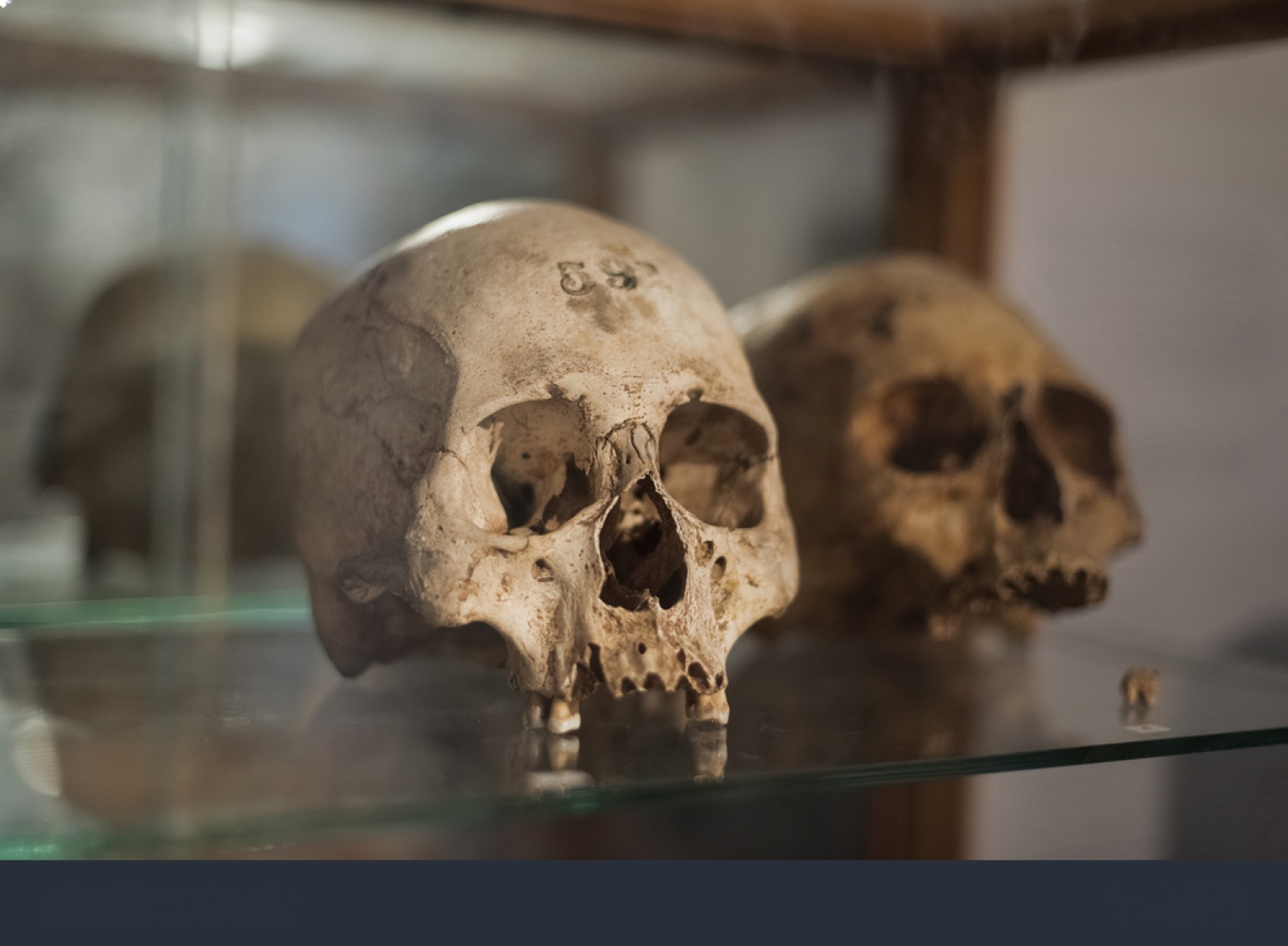
The Bikon Blewut Museum is a historical and archaeological museum located in Desa Takaplager, Nita District, Sikka Regency, East Nusa Tenggara, Indonesia. Its name comes from the local Sikka language, bikon meaning “past” and blewut meaning “destroyed” signifying the remnants of ancient times preserved within this museum.
Bikon Blewut Museum is classified as a general museum (museum umum) that showcases a wide array of historical collections, ranging from prehistoric fossils to cultural objects of the Flores people. Its exhibits include archaeological artifacts, human tools, traditional crafts, and fauna and flora remnants discovered through decades of research. The museum functions as an educational platform that helps visitors understand how humanity and culture evolved in this part of eastern Indonesia.
Type and Management Museum
Bikon Blewut Museum is recognized as a Type C general museum under the Indonesian national museum registry. This classification means the museum focuses on preserving and presenting historical and archaeological artifacts rather than specialized commercial or entertainment collections.
The museum is owned and operated by the Seminary of St. Paul Ledalero, a Catholic higher education institution in Ledalero-Maumere. Its management responsibilities include cataloging artifacts, maintaining conservation standards, and developing educational programs for students, researchers, and cultural tourists.
History of Bikon Blewut Museum
The origins of Bikon Blewut Museum date back to 1965, when Jesuit missionary Dr. Theodor Verhoeven of the Societas Verbi Divini (SVD) began collecting archaeological and cultural artifacts in Todabelu, Ngada Regency, Flores.
However, the museum in its current systematic format was established in 1983 by Pater Drs. Piet Petu SVD at Ledalero, Maumere. These early collections included cultural relics, tools from the Stone Age, Bronze Age artifacts, and significant fossils like the Stegodon Florensis, an extinct elephant species that lived around 300,000 BC.
Vision of Bikon Blewut Museum
The museum’s vision is to preserve and inform the public about the historical fossils of fauna and flora from Flores, as well as cultural artifacts of the Flores community in East Nusa Tenggara.
This vision reflects the museum’s commitment to education and cultural heritage preservation.
Mission of Bikon Blewut Museum
To fulfill its vision, Bikon Blewut Museum executes the following missions:
- Excavate and collect historical relics, including fossilized flora and fauna and cultural artifacts from Flores’ long history.
- Care for and catalog collections to maintain their integrity for future generations.
- Exhibit artifacts in an informative and educational manner, enabling visitors to appreciate the historical value of each item.
This mission positions the museum as both a cultural repository and a knowledge resource for understanding human and environmental history in the region.
A Living Chronicle of Flores History
The Bikon Blewut Museum is more than a storage place for old objects, it is an engaging gateway to understanding the ancient and cultural history of Flores Island. With its rich collections of fossils and artifacts, the museum provides visitors with valuable insights into the long journey of human evolution and cultural formation in eastern Indonesia.
Whether you are an academic researcher, student, or cultural tourist, visiting this museum offers a meaningful and educational experience that connects the past with present perspectives on heritage and identity.