

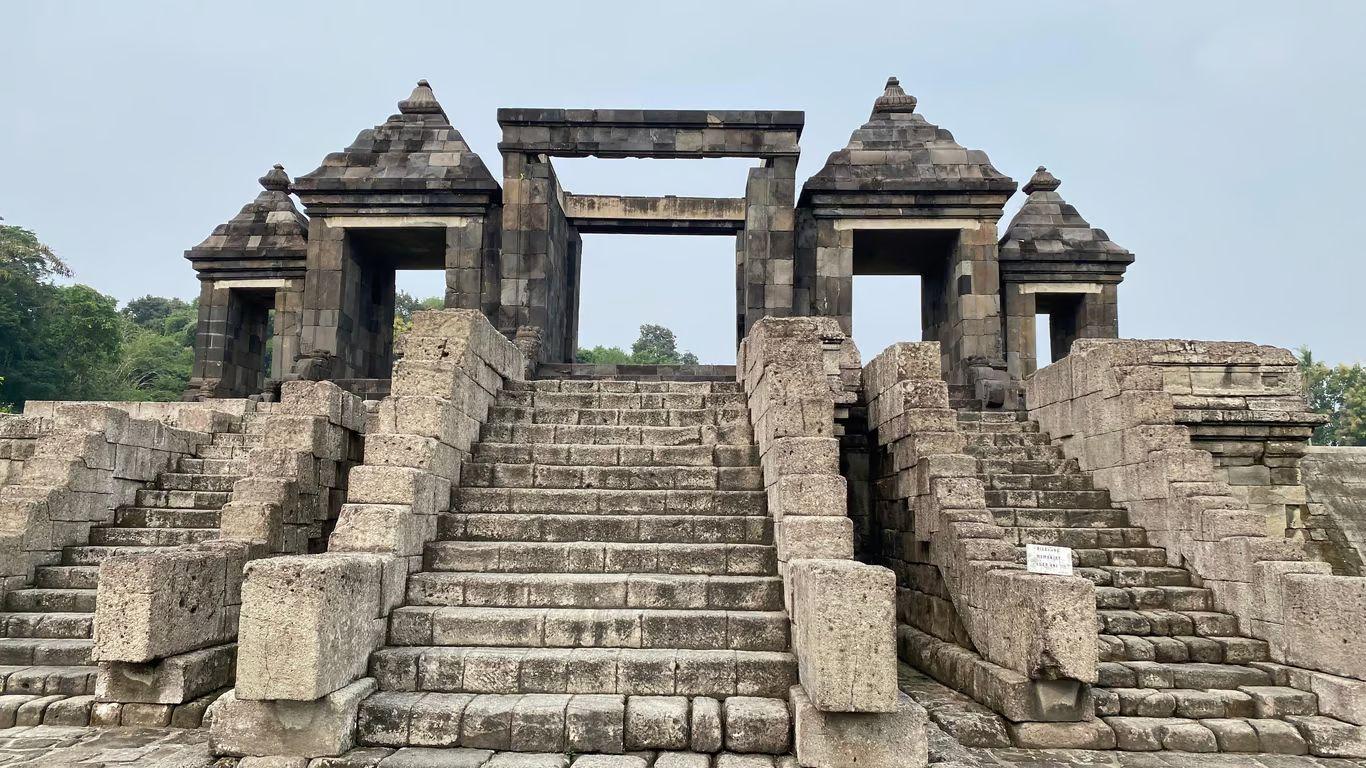
Who hasn’t heard of Ratu Boko Palace Complex? Perched atop a hill at an elevation of approximately 195.97 meters above sea level, this historical site once served as the grand palace of King Boko, the father of Loro Jonggrang in Javanese folklore. Located about 3 kilometers south of the renowned Prambanan Temple complex in Yogyakarta, Indonesia, Ratu Boko is not actually a temple but a Buddhist monastery known as Abhayagiri.
This site is not only steeped in history but also offers a mesmerizing blend of archaeology and natural beauty. Visitors can immerse themselves in the echoes of the past, experience serene wellness activities, and capture breathtaking photographs of this iconic landmark. Let’s delve deeper into the captivating attractions and experiences that await you at Ratu Boko Palace Complex.
1. A Journey Through History and Archaeology
The name “Ratu Boko” originates from Javanese folklore, linking the site to King Boko, father of Loro Jonggrang, a central figure in local legends. In Javanese culture, the term ratu isn’t exclusive to female rulers but is also a term for male leaders, akin to “king” or “monarch.”
Dating back to the 8th century, Ratu Boko was constructed during the reign of the Sailendra or Mataram Kingdoms. Archaeological findings, including inscriptions, suggest the site was utilized by Rakai Panangkaran, a ruler of the ancient Mataram Kingdom.
The complex is replete with historical remnants that speak to its significance, including:
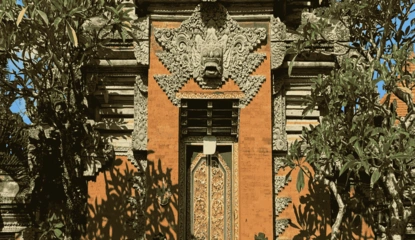
- The Grand Entrance Gates: These majestic structures are the iconic symbols of the site’s grandeur.
- Sacred Bathing Pools: Once reserved for the royal elite, these pools were used for purification rituals.
- Underground Chambers and Caves: Believed to be storage spaces for sacred relics or meditation retreats.
- Ancient Temples and Ruins: Evidence of a thriving kingdom, showcasing the architectural brilliance of the time.
- Each corner of Ratu Boko exudes historical charm, offering a unique window into Indonesia’s rich cultural tapestry.
2. Wellness Tourism in a Sacred Sanctuary
Modern visitors flock to Ratu Boko not just for its history but also for the peaceful and sacred atmosphere it offers. The site has become a prominent destination for wellness tourism, attracting those seeking spiritual renewal.
Activities such as meditation, yoga, and cultural festivals are regularly held within the serene surroundings of the complex. These events emphasize mindfulness and inner peace, making Ratu Boko a significant hub for spiritual tourism in Indonesia. Imagine meditating amidst ancient ruins or practicing yoga as the sun sets over the distant horizon – an experience that combines physical, emotional, and spiritual wellness.
3. A Photographer’s Paradise and Sunset Lover’s Dream
Ratu Boko is one of Indonesia’s most photogenic destinations. Located in Bokoharjo, Sleman, Yogyakarta, this complex is a magnet for photographers and nature lovers from around the world.
The site’s unique blend of ancient architecture, lush landscapes, and awe-inspiring sunsets creates a surreal backdrop for photography. As the sun dips below the horizon, the sky transforms into a canvas of warm hues – oranges, reds, and purples that create a magical ambiance.
Some tips to make the most of your sunset photography session:
- Arrive Early: Secure a prime viewing spot well before sunset to scout the best angles and set up your gear.
- Use a Tripod: To capture sharp images in low light, a tripod is essential for stabilizing your camera.
- Experiment with Composition: Incorporate elements like the grand gates, reflective pools, or silhouettes of people to enhance your shots.
- Adjust Quickly: The colors of the sky change rapidly during sunset, so be prepared to tweak your camera settings as needed.
Entrance Fees and Visitor Tips
Visiting Ratu Boko Palace Complex is affordable and well worth the cost. The entrance fee for international tourists is approximately IDR 375,000 (around USD 25), which includes access to the grounds and shuttle services. Domestic tourists can enjoy a lower price of IDR 40,000 (around USD 2.70).
To make your visit even more enjoyable:
- Timing: Visit during the late afternoon to experience the site in daylight and witness the sunset.
- Footwear: Wear comfortable shoes, as you’ll need to navigate uneven terrain and stairs.
- Guides: Consider hiring a local guide for an in-depth understanding of the site’s history and significance.
- Hydration: Carry water, especially if visiting during Yogyakarta’s warm and humid months.
Unique Features of Ratu Boko
- While the main attraction is its historical and architectural significance, Ratu Boko offers additional unique experiences:
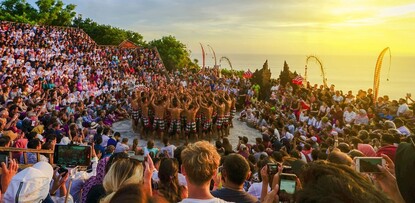
- Cultural Performances: Seasonal events like traditional dance or music performances provide a glimpse into Javanese heritage.
- Panoramic Views: The hilltop location offers breathtaking vistas of the surrounding countryside and even Mount Merapi on clear days.
- Star Gazing: As the night falls, the site becomes an ideal spot for stargazing, away from city lights.
Accessibility and Nearby Attractions
Ratu Boko Palace Complex is easily accessible from Yogyakarta city center, approximately 17 kilometers (10.5 miles) away. Visitors can hire a car, motorcycle, or use local transportation like Trans Jogja buses.
Nearby attractions include:
- Prambanan Temple: Just 3 kilometers away, this UNESCO World Heritage Site is a must-visit.
- Tebing Breksi: A former quarry turned tourist spot with stunning rock formations and photo opportunities.
- Ijo Temple: Perched on another hilltop, offering panoramic views and tranquil surroundings.
As you stand amidst the ancient ruins, feel the whispers of a bygone era and let the vibrant sunsets remind you of nature’s enduring artistry. Ratu Boko offers an experience that stays with you long after your visit. Get inspired by more breathtaking destinations throughout the Indonesian archipelago by following @WonderfulIndonesia on Instagram, and embark on more amazing adventures in #WonderfulIndonesia!