


Subak is a traditional irrigation system and cultural landscape of Bali Province that stands as one of Indonesia’s most important UNESCO World Heritage Sites. Inscribed on the World Heritage List in 2012, Subak represents a centuries-old tradition of water management that integrates agriculture, spirituality, and community life. This living heritage reflects how Balinese society has maintained harmony between people, nature, and belief systems for more than a thousand years.
Unlike modern irrigation systems that focus solely on efficiency, Subak functions as a cultural institution. It demonstrates how local wisdom and collective responsibility shape the Balinese landscape, particularly the iconic rice terraces that define the island’s rural scenery. Subak continues to operate today, making it not only a historical legacy but also an active part of everyday life in Bali.
The Cultural and Spiritual Foundation of Subak
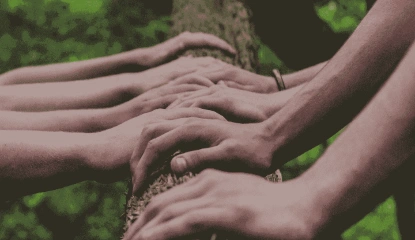
At the heart of the Subak system lies the philosophy of Tri Hita Karana, which teaches balance and harmony among three key relationships: humans and the divine, humans and fellow humans, and humans and nature. This philosophy guides how water is shared, how land is cultivated, and how communities interact.
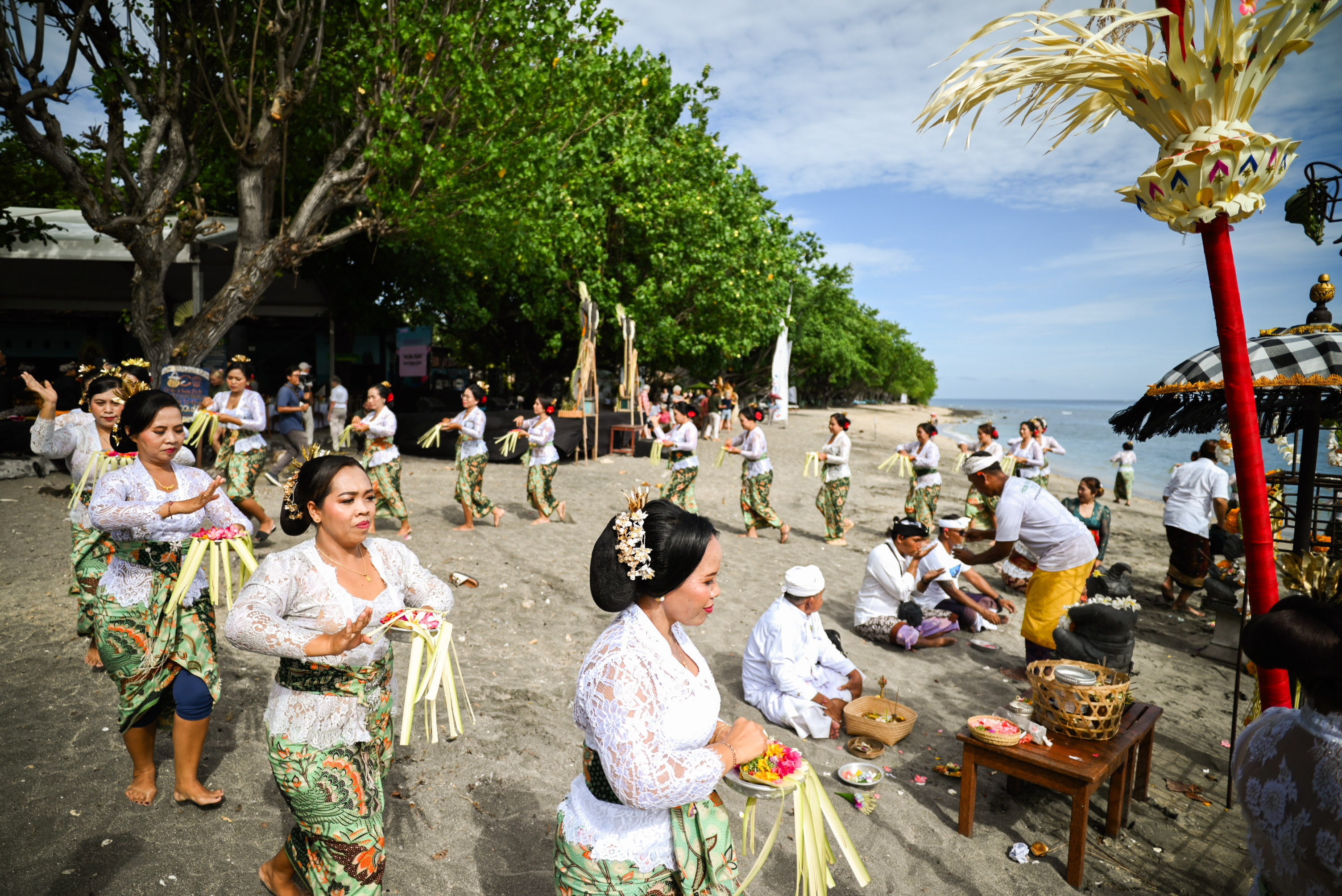
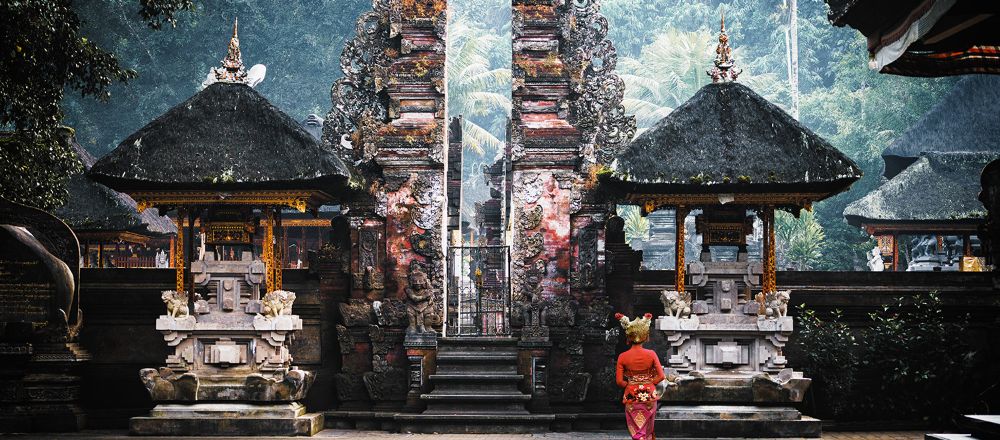
Subak is organized as a democratic association of farmers who work together to manage water fairly. Decisions are made collectively to ensure that each rice field receives sufficient water, regardless of its location. Water temples play a central role in this system, serving both as spiritual centers and as nodes for water distribution. Through regular rituals and ceremonies, farmers express gratitude, seek balance, and reinforce communal values that sustain both agriculture and spiritual life.
A Unique Cultural Landscape Shaped by Water
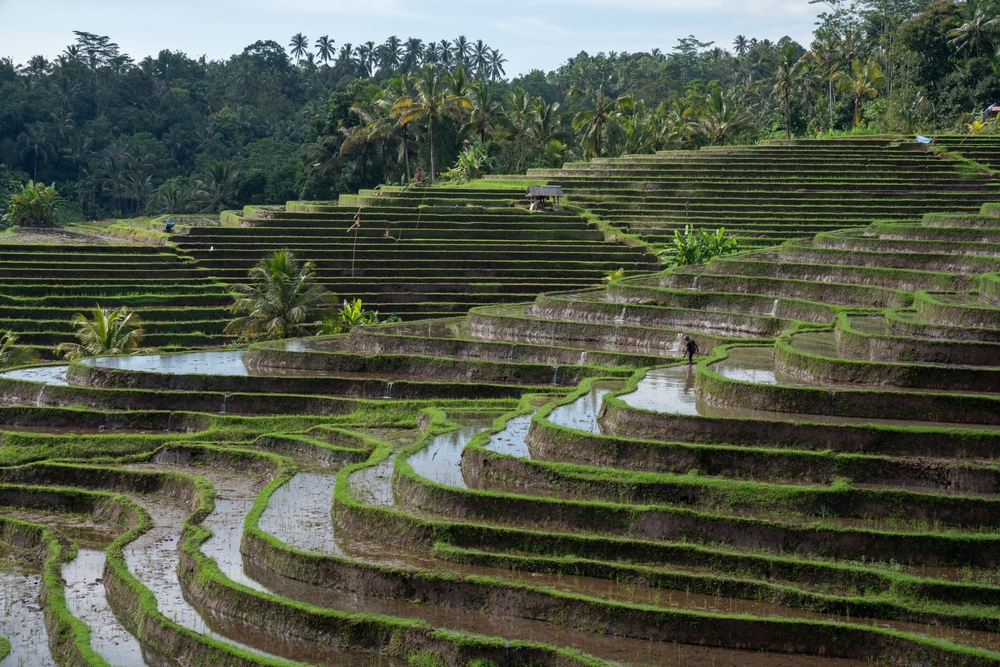
The Subak landscape extends across five major areas in Bali, covering more than 19,000 hectares of rice fields and terraced hillsides. These landscapes are connected through an intricate network of canals, tunnels, and weirs that guide water from mountain sources to lowland farms.
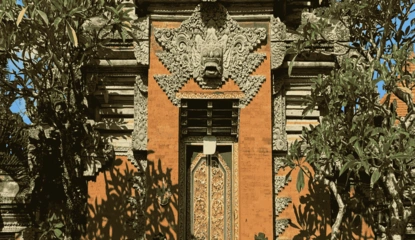
Among the most notable elements of the Subak landscape are the terraced rice fields carved into steep slopes, historic water temples such as Taman Ayun, and traditional villages that developed around agricultural activities. The visual harmony between flowing water, green terraces, and temple architecture creates a cultural landscape that is both functional and aesthetically striking.
What makes Subak unique is the way agricultural work and spiritual practice coexist. Farming is not viewed solely as economic activity, but as a sacred responsibility that respects natural cycles and ancestral traditions.
Experiencing Subak as a Heritage Destination
As a heritage tourism destination, Subak offers visitors an authentic and meaningful experience. Travelers can walk along rice terraces, observe traditional farming methods, and learn directly from local communities who continue to uphold Subak practices.
Visitors may also encounter religious ceremonies at water temples, providing insight into how spiritual values shape agricultural life. The Subak landscape is widely admired for its natural beauty and has become a favorite destination for photography, eco-tourism, and cultural exploration. Each visit offers a deeper understanding of how tradition and sustainability are intertwined in Balinese culture.
Suitable for Solo, Friendship, and Family Travel
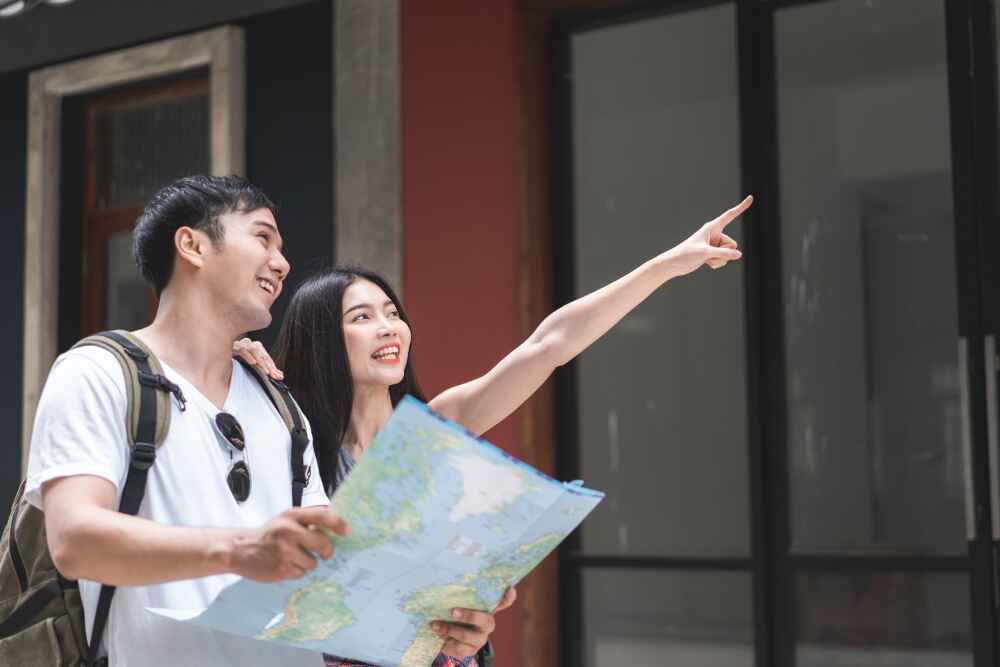
The Subak cultural landscape is suitable for various types of travelers. Solo travelers will appreciate the calm and reflective atmosphere of the rice fields, making it an ideal setting for cultural immersion and personal reflection. Friendship trips allow visitors to explore the landscape together, engage in shared learning experiences, and capture memorable moments in one of Bali’s most scenic environments.
For families, Subak provides an educational travel experience, especially for children and teenagers. It introduces them to traditional agriculture, environmental awareness, and the values of cooperation and balance. With proper guidance, visiting Subak can become a meaningful family journey that combines learning and leisure.
Subak and the Future of Sustainable Tourism
The continued presence and preservation of the Subak system today are not only about safeguarding cultural heritage, but also about creating opportunities for the development of sustainable tourism. The government and local communities continue to work hand in hand to protect this system, ensuring it remains ecologically and socially relevant amid the pressures of modernization and tourism development.
Subak has inspired a model of responsible tourism that encourages visitors to respect both culture and nature, while also providing economic benefits for local communities in Bali.
Visiting Subak in Bali offers a chance to understand how tradition, spirituality, and nature coexist in harmony. It is more than just a tourist destination, it is a living lesson in sustainable ways of life.