





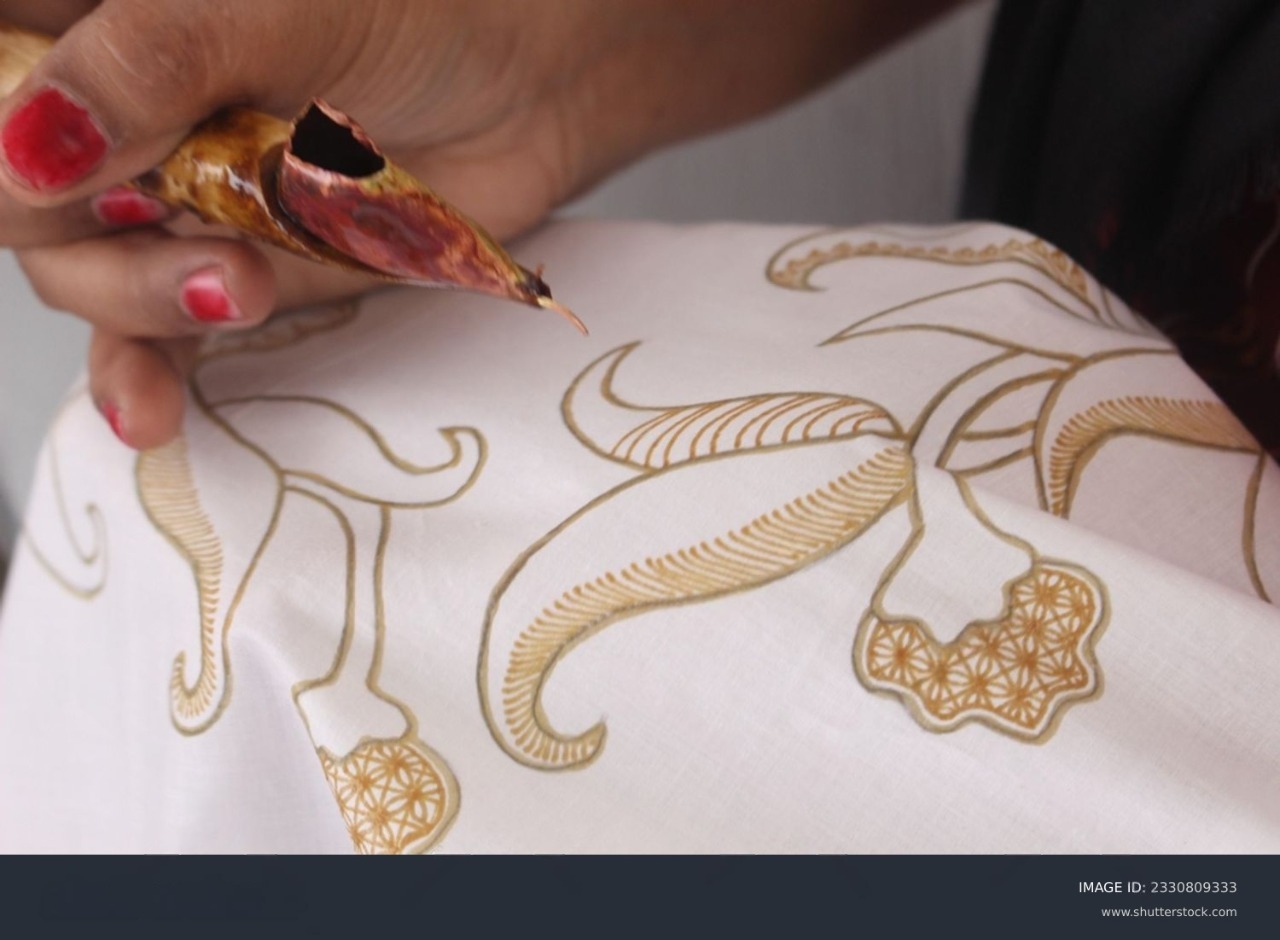
UNESCO officially inscribed Indonesian batik on the Intangible Cultural Heritage of Humanity list in 2009. This recognition highlights that batik is not merely patterned fabric, but a living cultural heritage rooted in knowledge, craftsmanship, and social values passed down through generations.
Batik has evolved alongside Indonesian society for centuries. Each motif carries stories, philosophies, and regional identities shaped by local traditions. To fully appreciate this cultural richness, museums provide an ideal space, presenting batik not only as visual art but also as an integral part of history and everyday life.
5 Museum Batik Must Visit
Here are five batik museums in Indonesia that offer educational and enjoyable ways to explore this world renowned heritage.
1 | Museum Nasional Indonesia, Jakarta
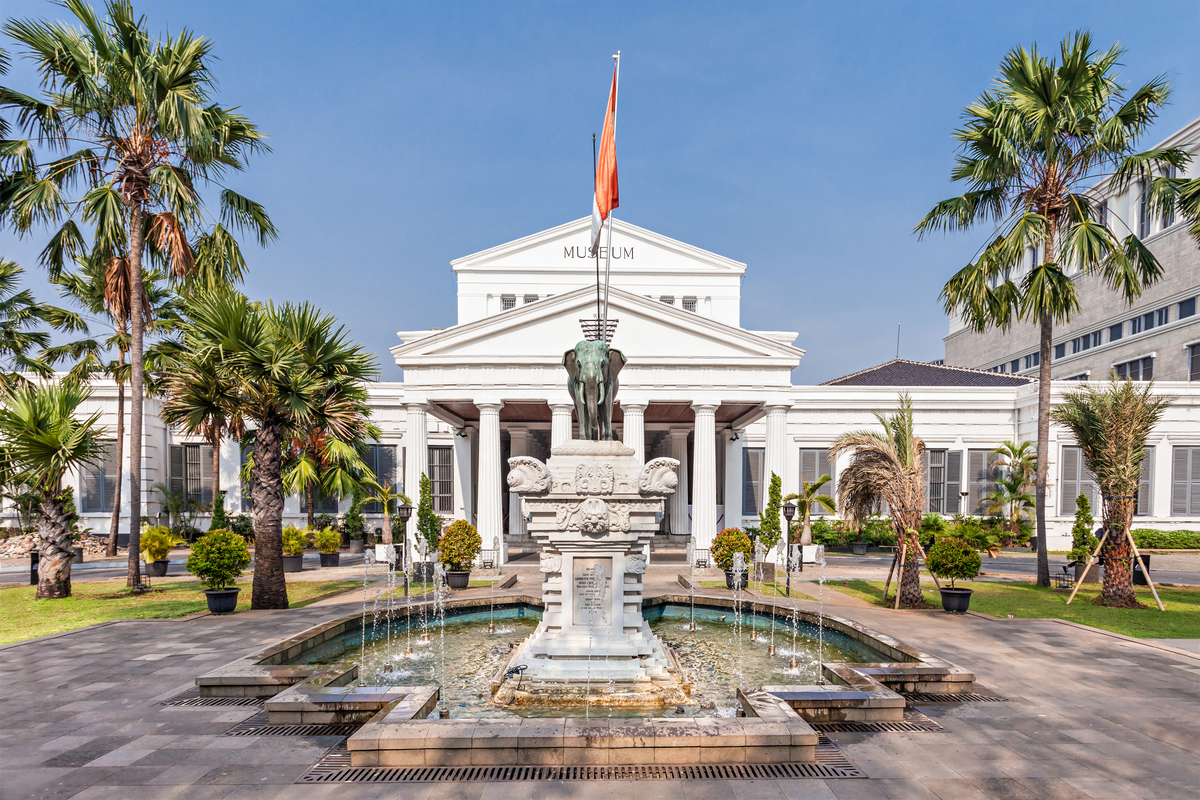
The National Museum of Indonesia is known for housing one of the most comprehensive cultural collections in the country. Among its exhibits, visitors can find a wide range of batik from various regions, presented within the broader context of Indonesian history and cultural development.
Through these collections, visitors gain insight into how batik has evolved over time. In addition to batik textiles, the museum displays traditional tools such as canting, wax, and dyed fabrics, offering a complete picture of the batik making process.
Address Jalan Medan Merdeka Barat No 12 Central Jakarta
Opening hours 09.00 to 16.00 WIB
2 | Museum Ullen Sentalu, Yogyakarta

Yogyakarta is widely recognized as a center of Javanese culture, and Ullen Sentalu Museum presents batik through a more personal and narrative driven approach. Many of the batik pieces on display are closely linked to royal court traditions and the lives of Javanese nobility.
Here, batik is appreciated not only for its visual beauty but also for the philosophy behind each motif. The calm atmosphere and natural surroundings enhance the experience, making each visit feel reflective and immersive.
Address Jalan Boyong Kaliurang Sleman Special Region of Yogyakarta
Opening hours 08.30 to 16.00 WIB
3 | Museum Batik Danar Hadi, Solo

The city of Solo has a strong historical connection to batik, and the Danar Hadi Batik Museum reflects this legacy. The museum houses thousands of batik textiles, each with its own distinctive motif and historical background.
Beyond viewing the collection, visitors can participate in batik workshops. This hands-on experience allows batik to be understood not only as cultural heritage, but also as a skill that requires patience, precision, and creativity.
Address Jalan Brigjen Slamet Riyadi No 261 Surakarta
Opening hours 09.00 to 16.00 WIB
4 | Museum Seni Neka Ubud, Bali
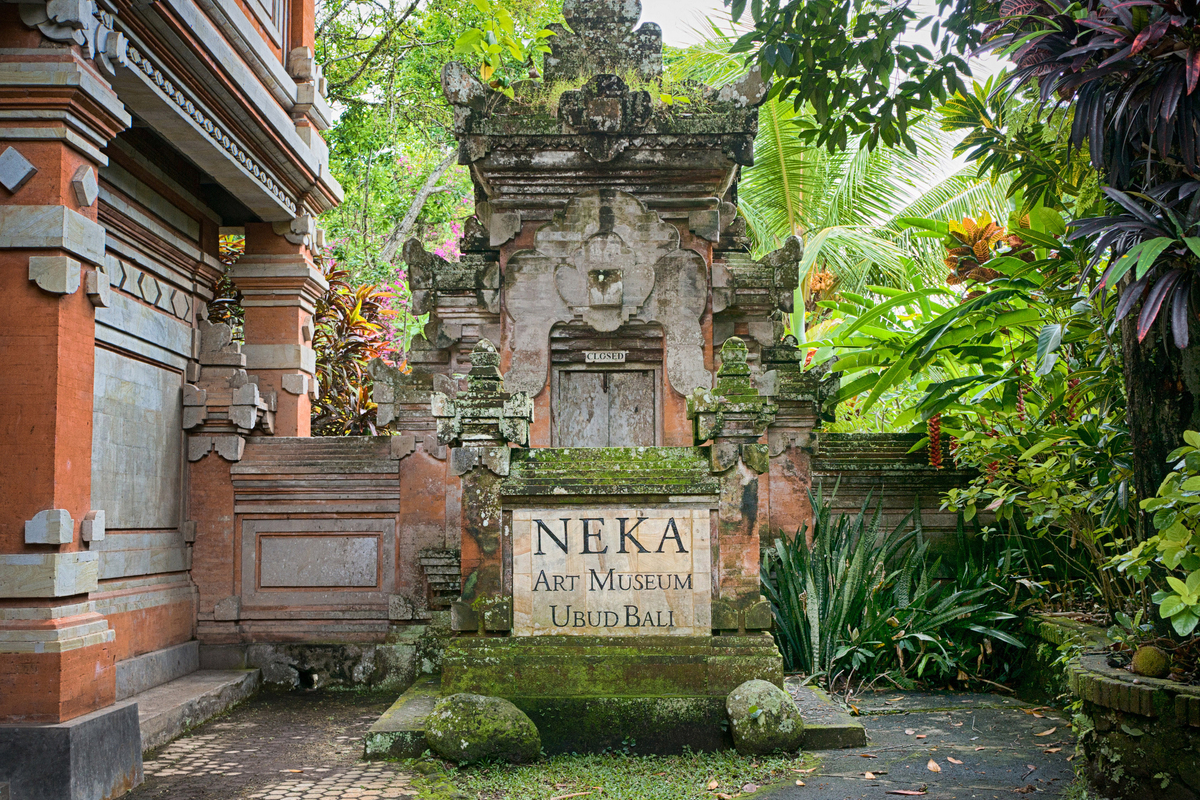
Neka Art Museum offers a different perspective on batik through its Balinese collections. The motifs displayed are often inspired by nature and spiritual symbolism deeply rooted in Balinese culture.
Visitors can observe how batik adapts to local traditions while maintaining its essential character. The museum also provides batik classes, allowing visitors to experience the creative process in a relaxed and welcoming setting.
Address Jalan Raya Campuhan Kedewatan Ubud Bali
Opening hours 09.00 to 17.00 WITA
5 | Museum Agung Rai, Bali
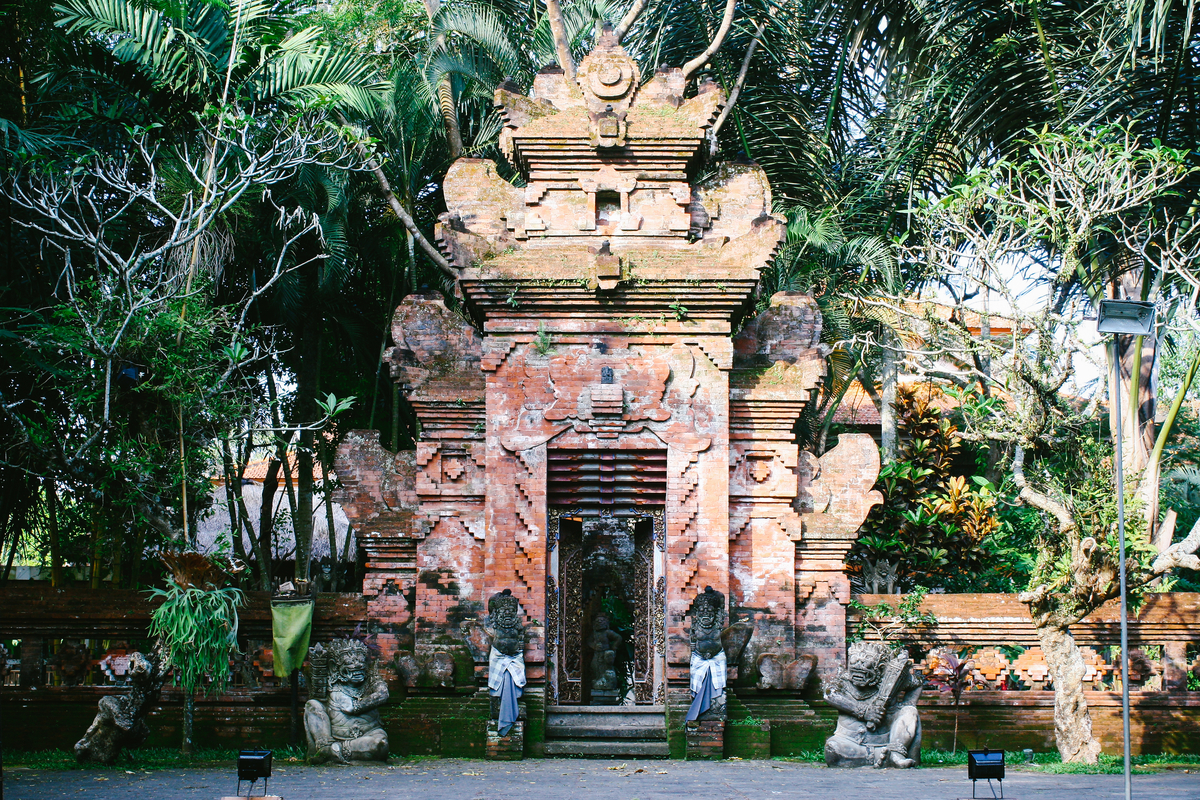
The Agung Rai Museum of Art presents batik in various forms and media. In addition to textiles, batik motifs are applied to wood and palm leaf manuscripts, demonstrating the versatility of batik as an artistic expression.
As a cultural center, the museum frequently hosts workshops and art activities. Through these programs, batik is positioned as a cultural heritage that continues to evolve and adapt to contemporary life.
Address Jalan Bima Pengosekan Ubud Gianyar
Opening hours 10.00 to 17.00 WITA
Batik as a Living Cultural Heritage
UNESCO recognition has brought Indonesian batik to global attention, yet its true significance remains deeply connected to everyday life and local traditions. Museums serve as an important bridge between past, present, and future generations.
By visiting batik museums, batik is experienced not merely as a historical artifact, but as an intangible cultural heritage that continues to live, be learned, and be passed on to future generations.