



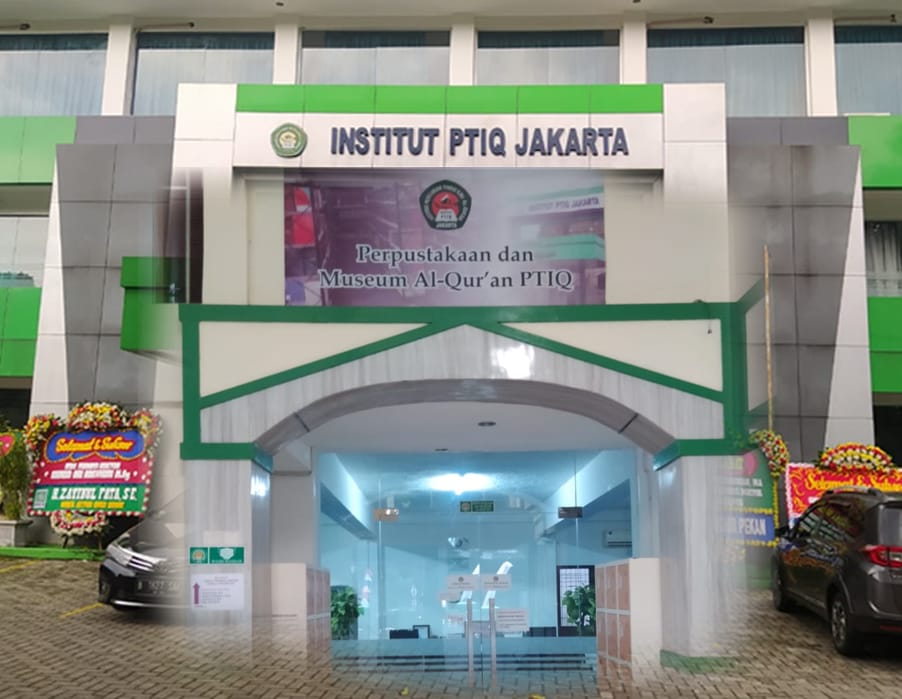
Museum Al-Qur’an PTIQ is a specialized museum located in South Jakarta and managed by the PTIQ Institute. It plays a vital role in preserving and disseminating knowledge related to the history and development of the Qur’an in Indonesia.
As part of a higher education institution, the museum integrates academic activities with museum functions, serving as an important educational and research center.
History of the Museum of Museum Al-Qur’an PTIQ
Established on July 24, 1971, the museum originated from private collections of the founders of the Yayasan Pendidikan Al-Qur’an. It was formally inaugurated in 1983 and officially managed by PTIQ Institute starting in 1988.
Museum Al-Qur’an PTIQ is dedicated to collecting, preserving, and exhibiting Qur’anic manuscripts and related literature. It provides comprehensive insights into the history of the Qur’an and its interpretation.
Type and Classification
The museum is classified as a Specialized Museum and categorized as a Type C Museum under national museum standards.
Ownership and Management
The museum is owned by the Yayasan Pendidikan Al-Qur’an and managed by the PTIQ Institute Jakarta.
Museum Collections
The museum houses 431 collections, including copies of the Qur’an, Qur’anic commentaries (tafsir), and other related materials that support education and research.
Vision and Mission of Museum Al-Qur’an PTIQ
The vision of the museum is to become a central hub for Qur’anic historical education. Its mission includes expanding international collections, preserving artifacts, and supporting educational and research activities.
Museum Al-Qur’an PTIQ stands as an important institution for preserving the legacy of the Qur’an. Through education and research, it contributes significantly to Islamic scholarship.
With continuous development, the museum is expected to remain a leading reference center for Qur’anic studies in Indonesia and beyond.