

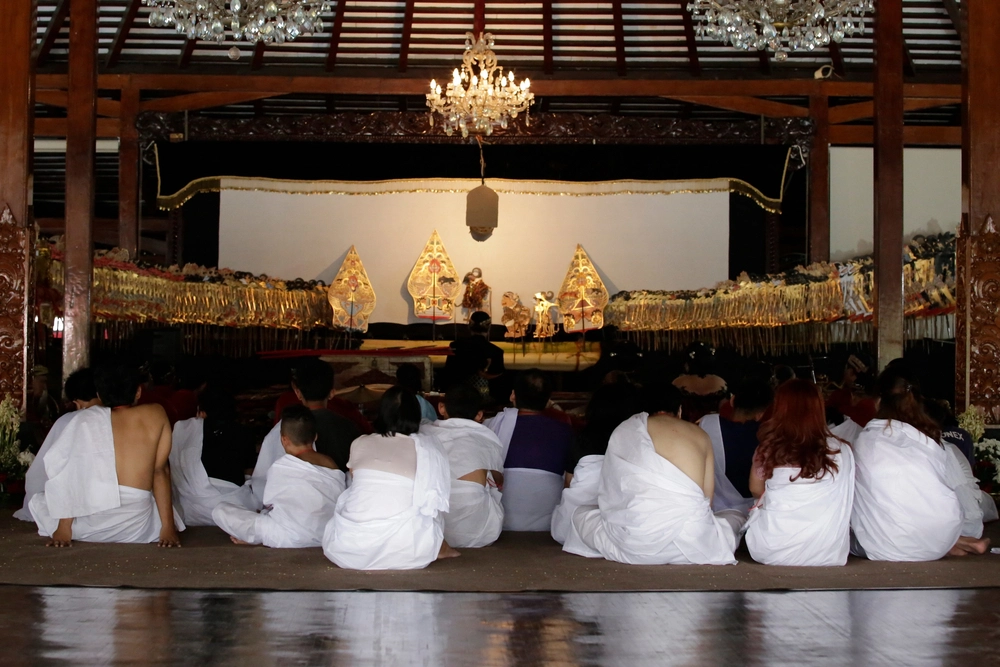
The Ruwatan Ceremony is one of the oldest and most meaningful traditions in Javanese culture, particularly in Central Java. This ritual is performed to ward off misfortune, cleanse negative energy, and ensure spiritual protection. Ruwatan has been inherited through generations since ancient Hindu-Buddhist kingdoms and still plays an important role in the spiritual life of Javanese communities.
In Javanese belief, some children are considered “anak sukerta”, or children born under certain conditions that make them vulnerable to misfortune. Examples include only children, twins, children born on specific days, or those with certain birth patterns. The Ruwatan ceremony is performed to free them from these spiritual vulnerabilities and grant them a harmonious future.
Cultural Roots and Philosophical Meaning
Ruwatan is not merely a ritual but a process of realigning oneself with the balance of the universe. In Javanese cosmology, life must be in harmony with the cosmic order, known as “harmoni jagad”. If someone is believed to carry sukerta, they must undergo spiritual cleansing so that they can live safely and peacefully.
The philosophy behind Ruwatan is closely connected to the concept of ngruwat, which means to release burdens or free oneself from negativity. The ceremony is a symbolic prayer for protection, purity, and alignment with divine guidance.
Wayang Ruwatan: The Heart of the Ritual
The highlight of the ceremony is Wayang Ruwatan, a special shadow puppet performance led by a highly skilled dalang (puppet master). The story performed is usually “Murwakala”, which tells about Batara Kala, the mythical ruler of time who seeks “anak sukerta”. In the narrative, Batara Kala is eventually appeased and persuaded to release the children from danger.
The dalang plays a key role, reciting prayers, mantras, and sacred verses believed to possess the power to dispel misfortune.
Main Stages of the Ruwatan Ceremony
A typical Ruwatan consists of several important steps:
- Purification Bath (Siraman)
The participant is bathed using blessed water as a symbol of spiritual cleansing. - Hair Cutting
Cutting a small portion of hair symbolizes the removal of negative elements. - Offerings (Sesaji)
These may include tumpeng rice, flowers, incense, water, and symbolic items. - Wayang Ruwatan Performance
The central ritual accompanied by gamelan music and sacred recitations. - Final Prayers and Symbolic Offerings
In some traditions, a chicken is offered as a symbolic form of balance and purification.
Even in contemporary times, Ruwatan is still practiced widely in Central Java. Today, the ceremony is not only performed for anak sukerta but also for individuals seeking new beginnings, such as starting a business, moving house, or undergoing major life transitions. This shows that Ruwatan remains a meaningful and adaptable spiritual practice.