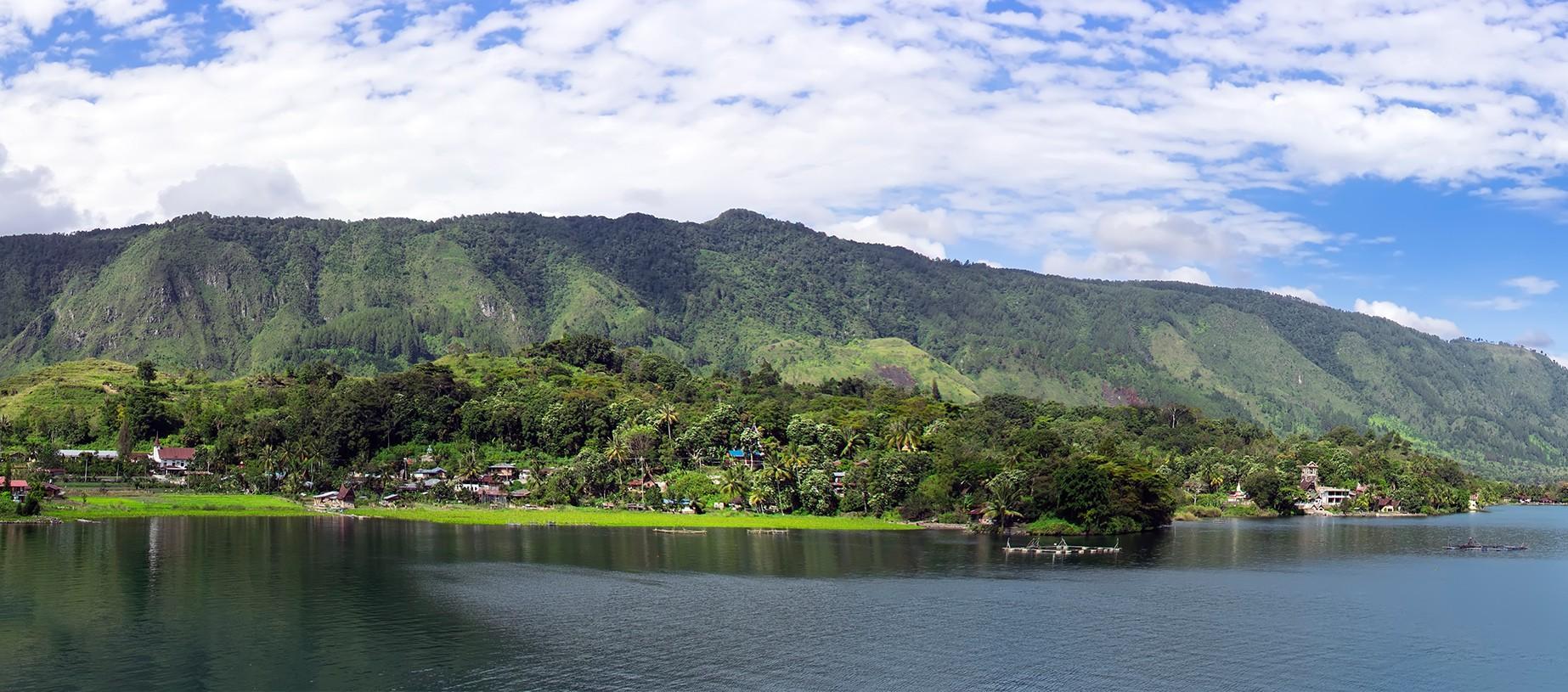
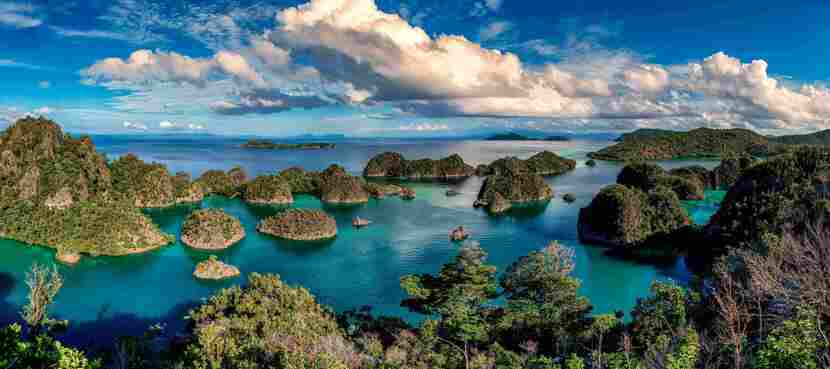

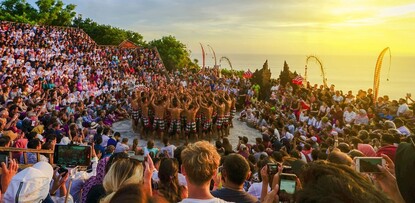
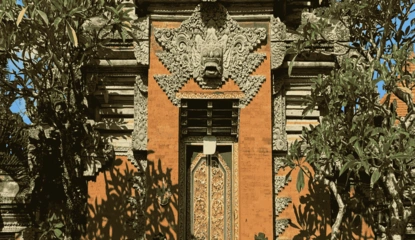

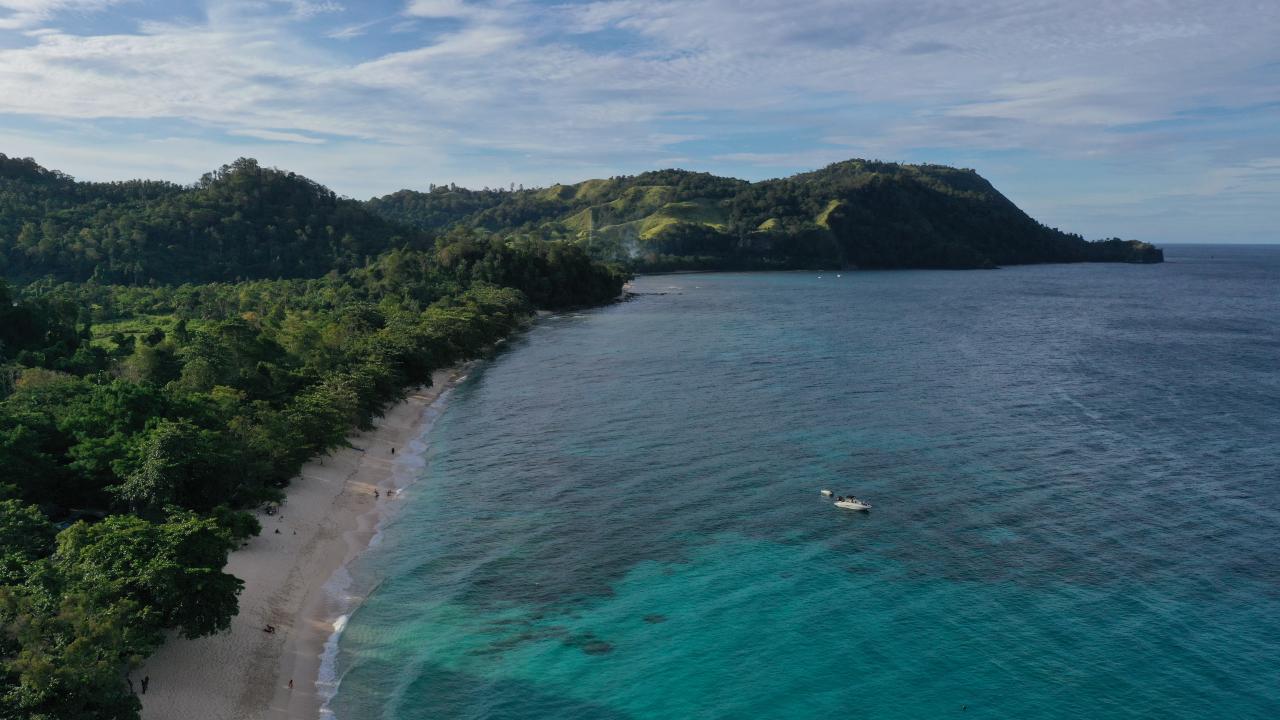
Likupang is widely recognized as one of Indonesia’s super priority destinations alongside Lake Toba, Borobudur, Labuan Bajo, and Mandalika. Located in North Sulawesi, this region is famous for its stunning marine landscapes, pristine beaches, and rich underwater biodiversity. Beyond its natural beauty, Arts & Culture of Likupang represent a significant cultural treasure rooted in Minahasa traditions.
The arts and culture of Likupang reflect the history, social values, and local wisdom of its people. Traditional music, dances, and rituals remain an integral part of daily life, preserved not only as heritage but also as living traditions that adapt to modern tourism and cultural development.
1. Kolintang Music: Traditional Harmony in a Modern Era
Kolintang is a traditional Minahasa musical instrument and a cultural symbol of Likupang. Similar to the Javanese gambang, Kolintang produces a fuller range of tones and requires unique playing techniques. It consists of nine types based on tonal functions, including melody, alto, tenor, and bass instruments.
In Likupang, Kolintang accompanies traditional dances, rituals, and musical performances. Today, it is often blended with modern instruments, allowing it to perform jazz and pop music while maintaining its traditional essence.
2. Tumatenden Dance: A Folklore Brought to Life
The Tumatenden Dance is one of the most iconic cultural expressions within Arts & Culture of Likupang. It tells a Minahasa folk tale about a farmer who falls in love with a fairy. The narrative is conveyed through graceful and expressive movements.
Typically performed by one male dancer and seven to nine female dancers, the Tumatenden Dance remains a highlight of cultural festivals, traditional weddings, and official ceremonies, often enhanced with creative musical arrangements.
3. Ampa Wayer Dance: History in Motion
The Ampa Wayer Dance offers a more modern atmosphere, strongly influenced by European ballroom dancing. Emerging during World War II around 1944–1945, the dance reflects historical interactions during that era.
This dance consists of six sequences, including waltz, rumba, tango, and swing. The dancers’ attire resembles formal European fashion, adding a distinctive charm to the performance.
4. Foso Rumages Ritual: Gratitude and Spirituality
Cultural diversity in Likupang is also represented by the Foso Rumages Ritual. This ritual is an expression of gratitude to God for abundant harvests and blessings. It involves offerings such as dances, songs, and traditional foods prepared for ancestral spirits.
The ritual reflects the deep spiritual connection between the Likupang community, nature, and their ancestors, making it a valuable cultural heritage.
Complementing its cultural richness, Likupang also offers distinctive local cuisine such as Lalampa, Cakalang Fufu, Tinutuan porridge, and Binte Biluhuta. The combination of arts, culture, nature, and cuisine makes Likupang a truly complete destination.
Arts & Culture of Likupang serve not only as tourist attractions but also as a means of preserving cultural identity. By safeguarding and promoting these traditions, Likupang ensures that its cultural heritage continues to thrive.
With its harmonious blend of natural beauty and cultural richness, Likupang stands as a must-visit destination for travelers seeking an authentic Indonesian experience.