





The Bundo Kanduang traditional costume is a Minangkabau attire that symbolizes the glory of women in West Java. This dress reflects the figure of a wise mother as the main pillar in maintaining the harmony of the household and local customs.
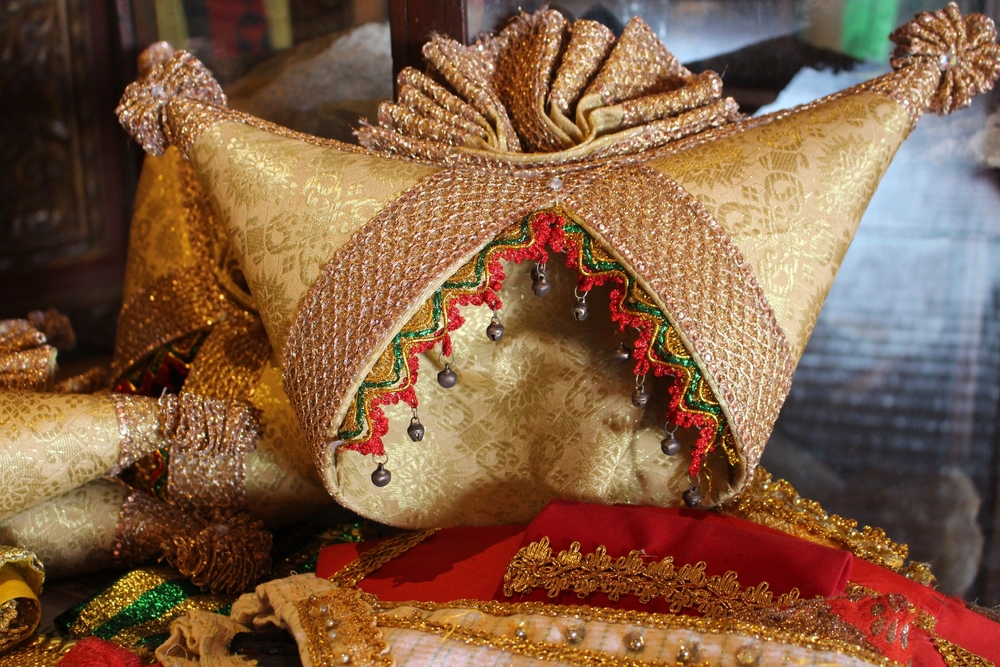
Its uniqueness is seen in the headgear resembling buffalo horns and the gold decorations rich in philosophical meaning. Every detail carries the symbol of a woman's great responsibility as a family leader.
What is the Bundo Kanduang Traditional Costume?
This grand attire is specifically for Minangkabau women who are married or hold the status of a leader within the family. The clothing is a symbol of honor and the vital role of women as guardians of tradition in the matrilineal kinship system.
The design combines the authority and gentleness of a mother in managing both domestic and customary affairs. Understanding the characteristics of the Bundo Kanduang traditional costume is key to recognizing the cultural identity of West Sumatra, which deeply respects the position of women.
The following are the essential elements that form the Bundo Kanduang attire, along with their symbolic meanings:
- Tengkuluk: A head covering shaped like buffalo horns or the roof of a Gadang house, symbolizing leadership, courage, and the wisdom of Minangkabau women in decision-making.
- Baju Batabue: A tunic (baju kurung) sprinkled with gold thread embroidery, symbolizing the natural wealth of Minang. The minsie detail on the edges reflects self-boundaries and the wearer's honor.
- Salempang: A songket sash draped over the shoulder as a symbol of unbroken love for children and grandchildren, as well as alertness in facing all life situations.
- Sarung (Lambak): A lower garment made of songket or tied fabric wrapped around the waist to modestly cover the lower body, reflecting the politeness of Minang women.
- Galang Gadang: Large gold or silver bracelets symbolizing physical and mental strength, while serving as a reminder of the boundaries of a female leader's activities.
Related article: Rendang Minangkabau: One of the World’s Best Foods
Philosophical Meaning Behind the Bundo Kanduang Costume
This attire symbolizes the wisdom and great responsibility of women within the family. Every detail reflects the authority of a mother as the guardian of noble values.
Also known as Limpapeh Rumah Nan Gadang, this garment is likened to the central pillar of a traditional house. This symbol emphasizes that family integrity depends on the strength of the female figure.
If the mother's role wavers, the family order and customs are threatened with collapse. This philosophy stresses the importance of protecting the honor of women for the sake of social and cultural harmony.
Related article: Nasi Kapau: A Flavorful Culinary Treasure from Bukittinggi, West Sumatra
When and Where is This Attire Worn?
This costume is mandatory for sacred ceremonies, such as the inauguration of a female elder within a clan. Its use serves as a symbol of legitimacy for the guardian of ancestral values in the community.
This magnificent dress also appears in traditional Minangkabau wedding ceremonies as a symbol of dignity. Its presence adds a sacred nuance to the important moments of West Sumatran society.
In addition to customary events, this attire is regularly showcased in cultural festivals for identity preservation. Its use always follows strict customary rules to maintain the values of modesty and the majesty of Minang tradition.
Related article: Sate Bundo Kanduang
You can use the AI Plan Your Trip feature before exploring West Sumatra to organize a visit to the best museums in West Sumatra so you can see this traditional costume collection in person.
If you would like to know recommendations for authentic songket boutiques in Bukittinggi or Padang, please ask MaiA, who is ready to provide the most complete travel advice.