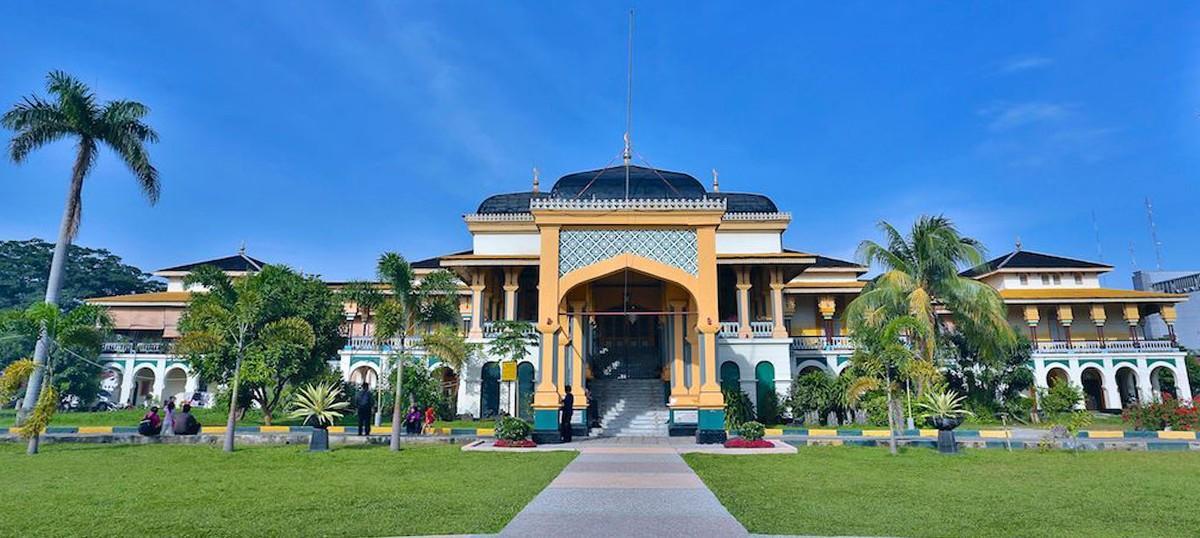




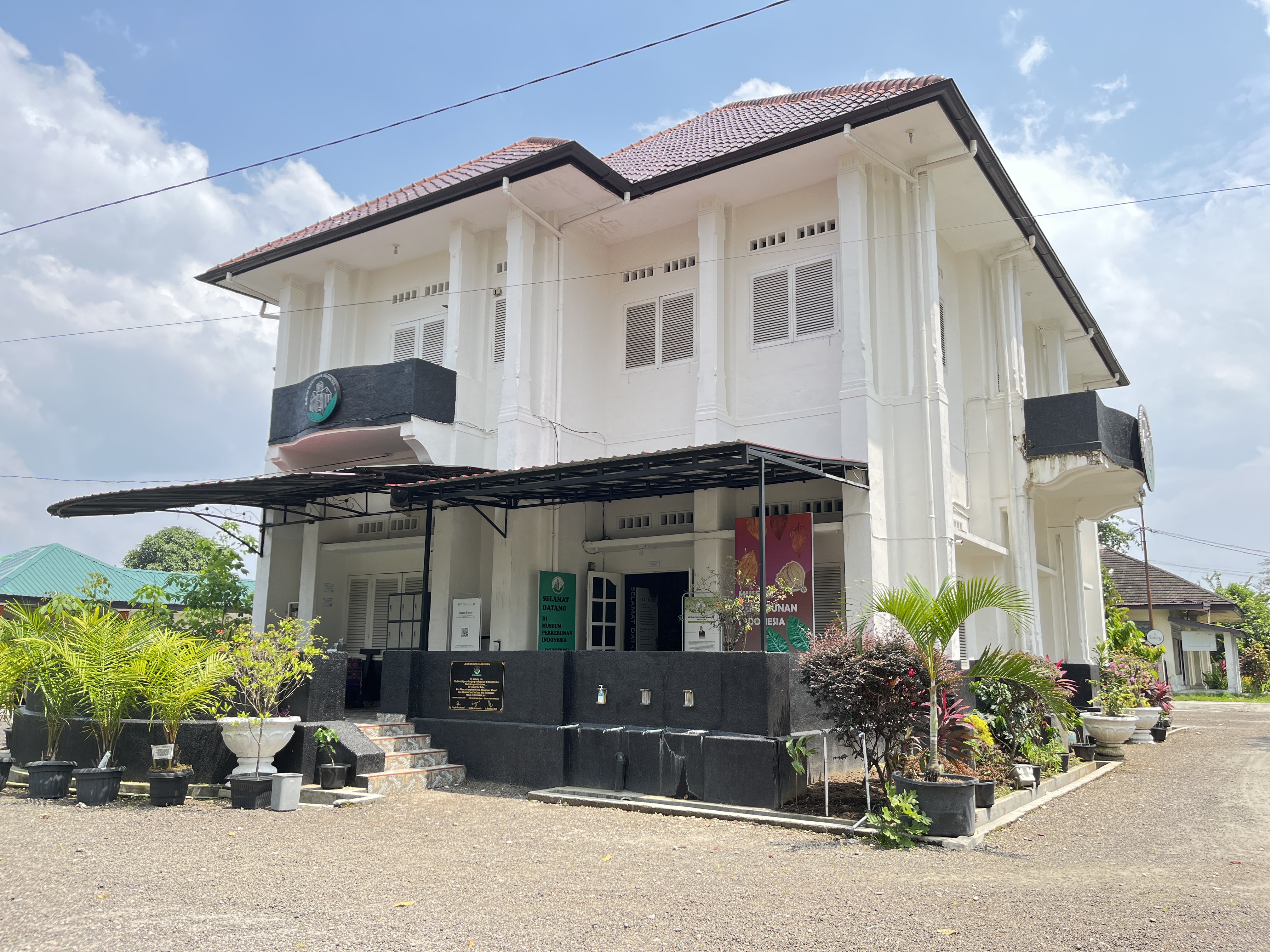
The Museum Perkebunan Indonesia, also known as the Indonesian Plantation Museum is a specialized museum located in Medan, North Sumatra, Indonesia. It was established to preserve and present the history and development of plantation industries in Indonesia from the pre-colonial era to modern times.
As the first plantation museum in the country, it serves as an educational and informative destination for students, researchers, locals, and international visitors interested in understanding how plantations shaped Indonesia’s economy and society.
Type and Management Museum
The Indonesian Plantation Museum is classified as a special museum (Type B), focusing uniquely on plantation themes rather than general historical narratives. Its exhibits and collections are curated to highlight the economic, social, and cultural aspects of plantation life and industry in Indonesia.
The museum is owned and managed by the Indonesian Plantation Museum Foundation (Yayasan Museum Perkebunan Indonesia). This foundation oversees all aspects of museum operations, ensuring its role as an institution for cultural preservation and learning.
History of the Museum
The Indonesian Plantation Museum was initiated by plantation figure Soedjai Kartasasmita and officially opened on December 10, 2016, by the Governor of North Sumatra and the Director General of Plantations.
The museum is housed in a historic colonial building formerly associated with the Algemeene Vereniging van Rubberplanters ter Oostkust van Sumatra (AVROS) and later used by the Oil Palm Research Center (PPKS).
Designed to “connect the past with the future,” the museum offers a timeline of plantation history that links nostalgic heritage with contemporary agricultural developments.
Collections
The museum’s vast collection includes historic plantation equipment and machinery, such as:
- A Piper Pawnee aircraft once used to spray tobacco plants.
- A vintage locomotive used in palm oil transport.
- Tools and commercial products related to key plantation crops including palm oil, coffee, tobacco, tea, and sugar.
Each artifact is accompanied by contextual description panels that help visitors grasp its role in plantation history.
Vision Museum of Indonesian Plantations
The museum’s vision is to become the best thematic museum in Indonesia and globally recognized, offering high-quality educational experiences about plantation heritage.
Mission Museum of Indonesian Plantations
Its mission includes:
- Supporting the development of the national plantation industry through historical education.
- Documenting and preserving historic plantation artefacts and structures.
- Conducting research and development in plantation history.
- Enhancing human resources in cultural heritage education.
- Creating comprehensive understanding of plantations’ national role.
- Enhancing Indonesia’s plantation image domestically and internationally.
Role in Society
The Indonesian Plantation Museum plays a vital role as an educational and cultural institution, helping audiences appreciate how plantation industries contributed to Indonesia’s economic development. Through interactive exhibits and multimedia spaces, the museum makes complex historical content engaging and accessible to visitors of all ages.
It also serves as a tourist destination that enriches Medan’s cultural landscape, inviting both local and global visitors to explore Indonesia’s rich plantation heritage.